How a garbage pipe becomes a one-way route
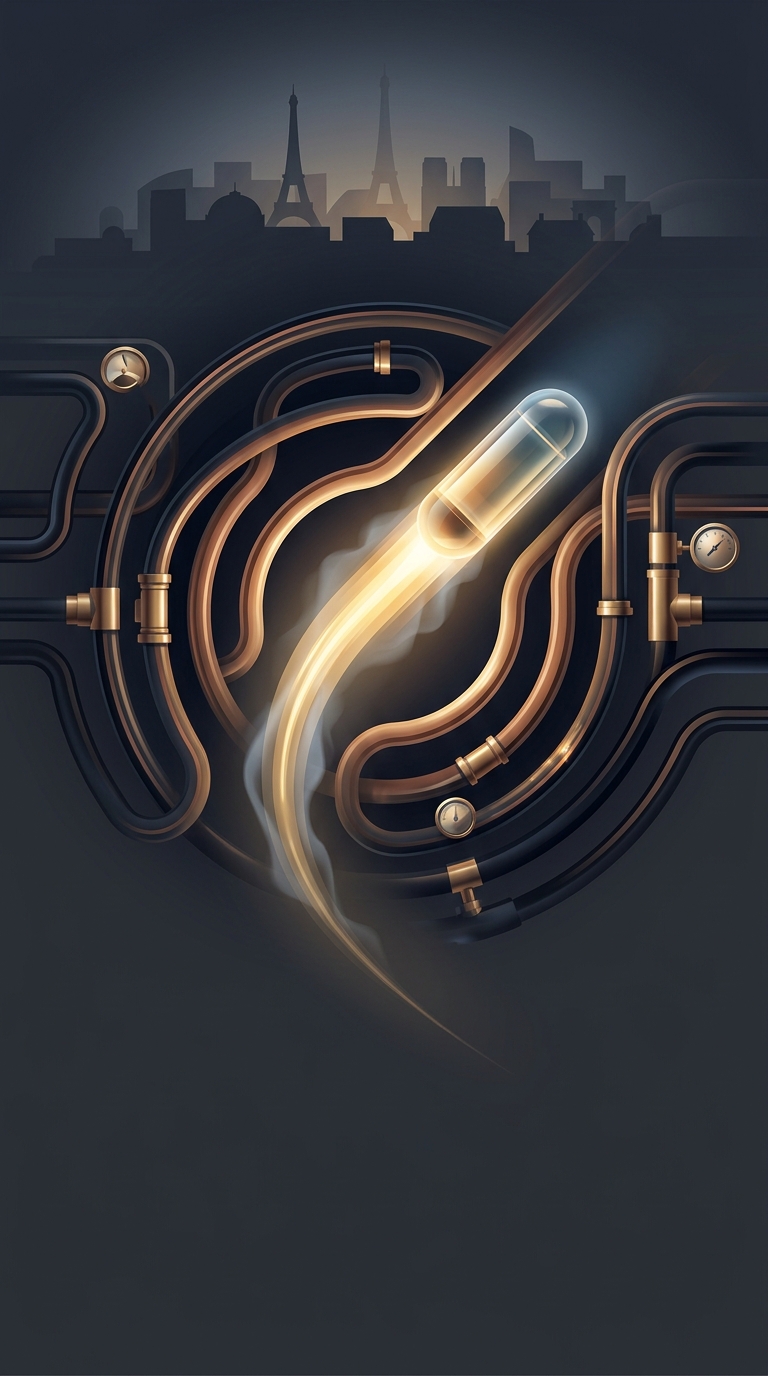
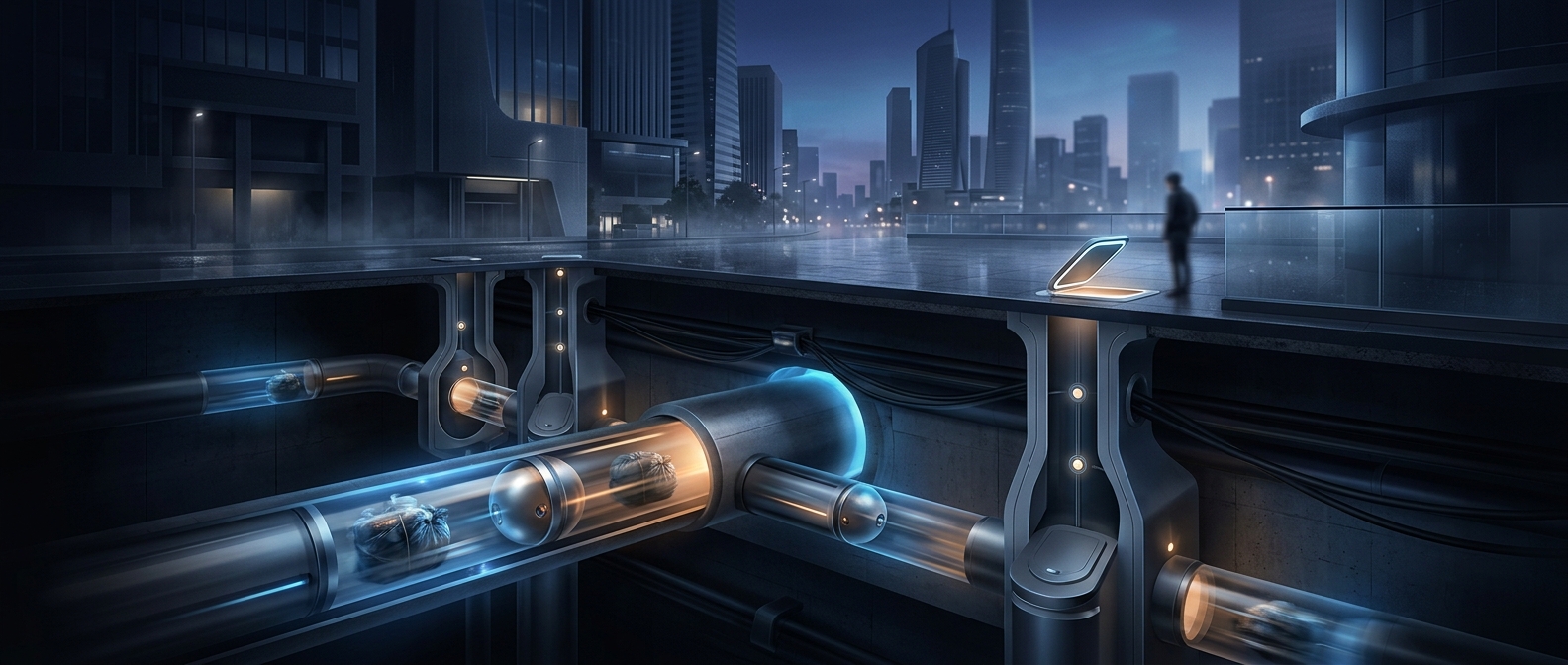
At a street inlet, a deposited bag waits behind a sealed hatch rather than traveling immediately. When the system is ready to move waste, valves open along a selected route and powerful fans create a pressure difference: air rushes through the pipe toward the collection station, carrying the bag with it. The moving air does the hauling, while the valves help keep waste from entering the wrong branch of the network.
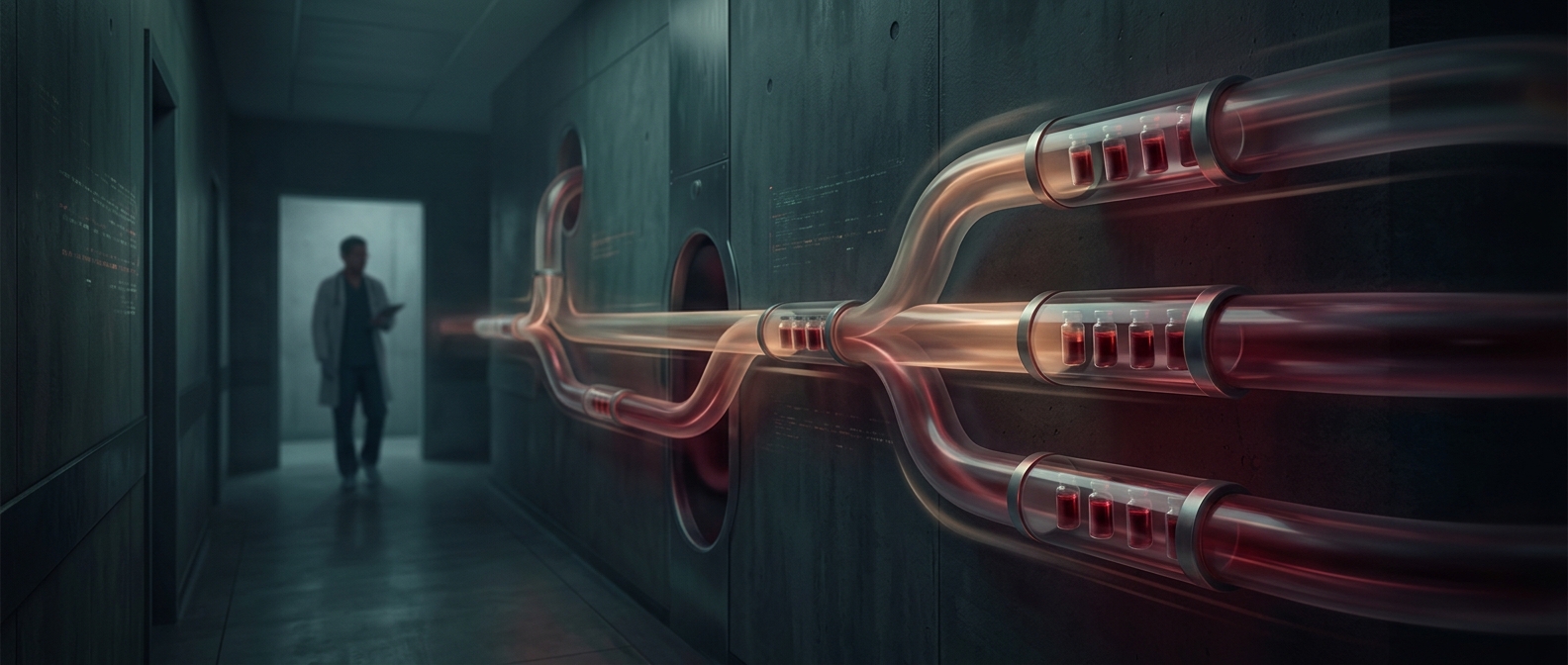
This is not a miniature subway with a vehicle on a timetable. It is closer to a set of shared pneumatic mail tubes, operated in batches. At the station, the air and rubbish are separated. The waste is compacted into containers, and ordinary trucks handle the final trip away from the neighborhood.
The curb is cleaner, but the network is fixed
Putting the pipes underground can reduce the need for collection trucks to stop at every block, and it removes rows of outdoor bins from the street. But the convenience depends on a substantial, permanent installation beneath the pavement. Pipes, inlets, valves, and the central station all need access for inspection and repair; a blockage or damaged component can interrupt service along part of a route.
The system also does not make sorting irrelevant. Different waste streams may need separate inlets or routes, and users still have to put the right material in the right place. Its key tradeoff is spatial: move the routine handling of rubbish out of sight and away from the curb, in exchange for infrastructure that is costly to build and difficult to relocate. The garbage gets a subway—but the city has to build the tracks first.