Why soreness shows up after the workout
The burn during a hard set and the ache that arrives the next day are different sensations. During intense exercise, muscles produce lactate as they break down fuel quickly. The body can reuse lactate for energy or process it, so it does not sit in muscle tissue until tomorrow and cause delayed soreness.
That later ache—often called delayed-onset muscle soreness, or DOMS—usually develops over the hours after unfamiliar or demanding exercise. It can be especially noticeable after movements that lengthen a working muscle under load, such as lowering a weight or walking downhill.
What the ache reflects
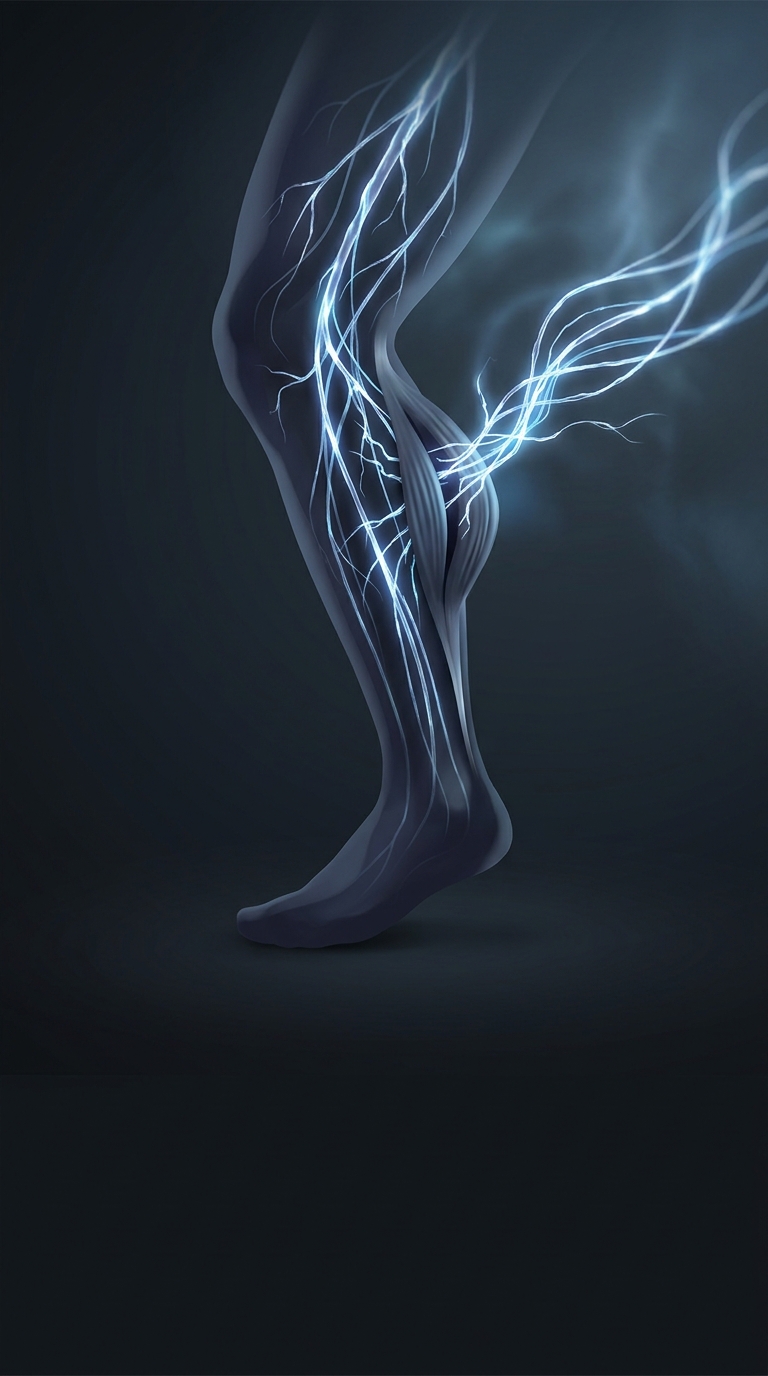
Hard or unfamiliar loading can stress muscle fibers and nearby connective tissue. The body responds with repair processes that include inflammation, while changes in the affected tissue make pain-sensing nerves more sensitive. The result is tenderness and stiffness when you move or press on the muscle.
People often describe this as “tiny tears,” but soreness is not a simple measure of how much muscle has been torn. The exact contribution of tissue disruption and the repair response varies; the useful distinction is that lingering soreness comes from the muscle’s response to exercise, not from lactate left behind.
Why the myth sounds convincing
Lactate can rise during strenuous exercise, just as muscles begin to burn. That timing makes it an easy explanation for soreness later, even though the two sensations have different causes. The burn fades as exercise intensity drops; DOMS tends to build later and can last for a few days. That delay is the clue: the next-day ache is part of the body’s response to loading, not yesterday’s workout still stored in the muscle.