Fat leaves mostly through your lungs
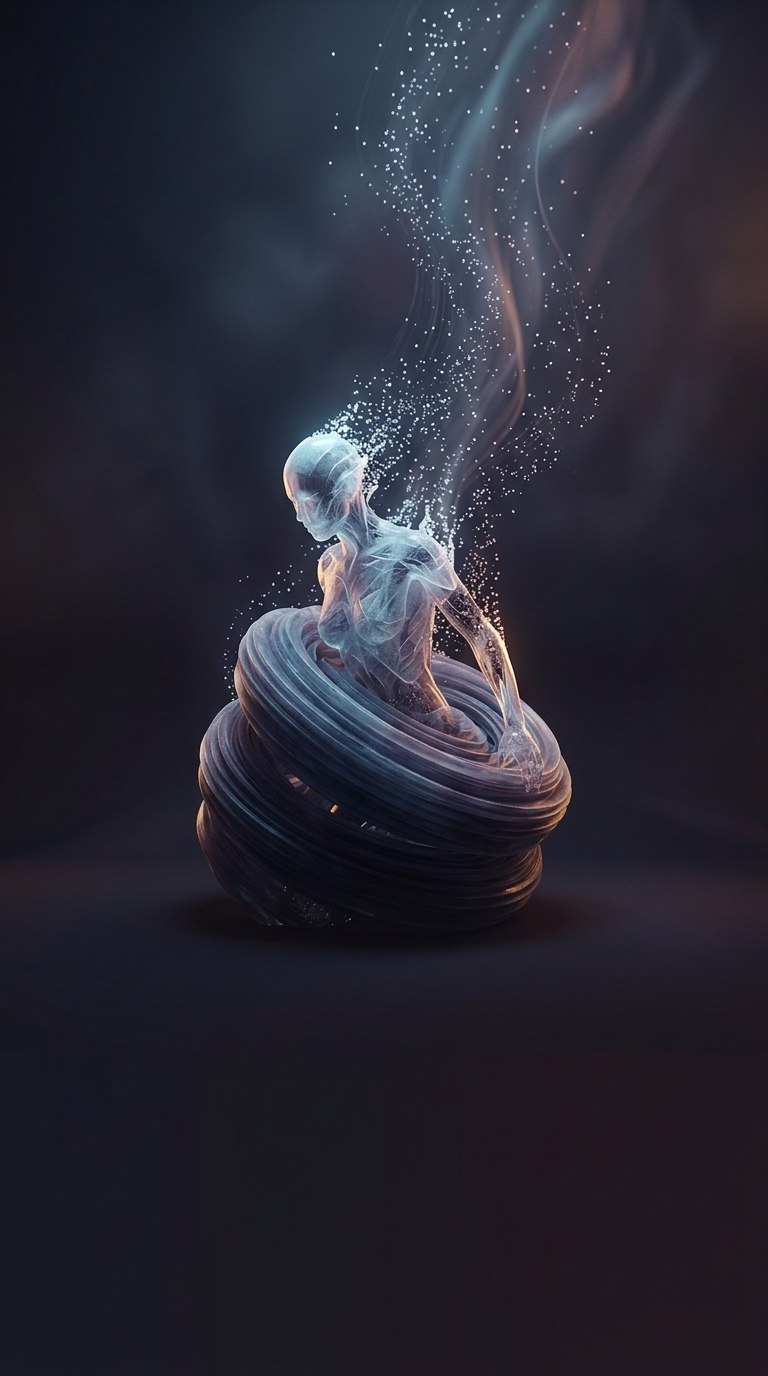
When your body uses stored fat for energy, it does not simply turn the fat into heat. It breaks fat molecules down in a process that uses oxygen. The atoms in those molecules are rearranged: most of their mass becomes carbon dioxide, which travels in the blood to the lungs and is breathed out. The rest becomes water, which leaves in urine, sweat, breath, and other bodily fluids.
That is why the scale’s lost fat does not mainly disappear as sweat or turn into muscle. Most of its mass leaves as carbon dioxide in exhaled air.
Breathing is the exit route, not the trigger
Breathing out more carbon dioxide does not, by itself, make the body lose fat. The carbon dioxide rises because cells are already breaking down fuel to meet the body’s energy needs. For sustained fat loss, the body must draw on stored energy over time—typically because it is using more energy than it gets from food.
The lungs provide the final exit for much of that used fuel, while the kidneys, skin, and breath carry away the water produced along the way. So a visible change in body fat is ultimately a matter of atoms leaving the body: much of the carbon is exhaled, one breath at a time.