Why a Pogo Stick Needs More Than a Spring
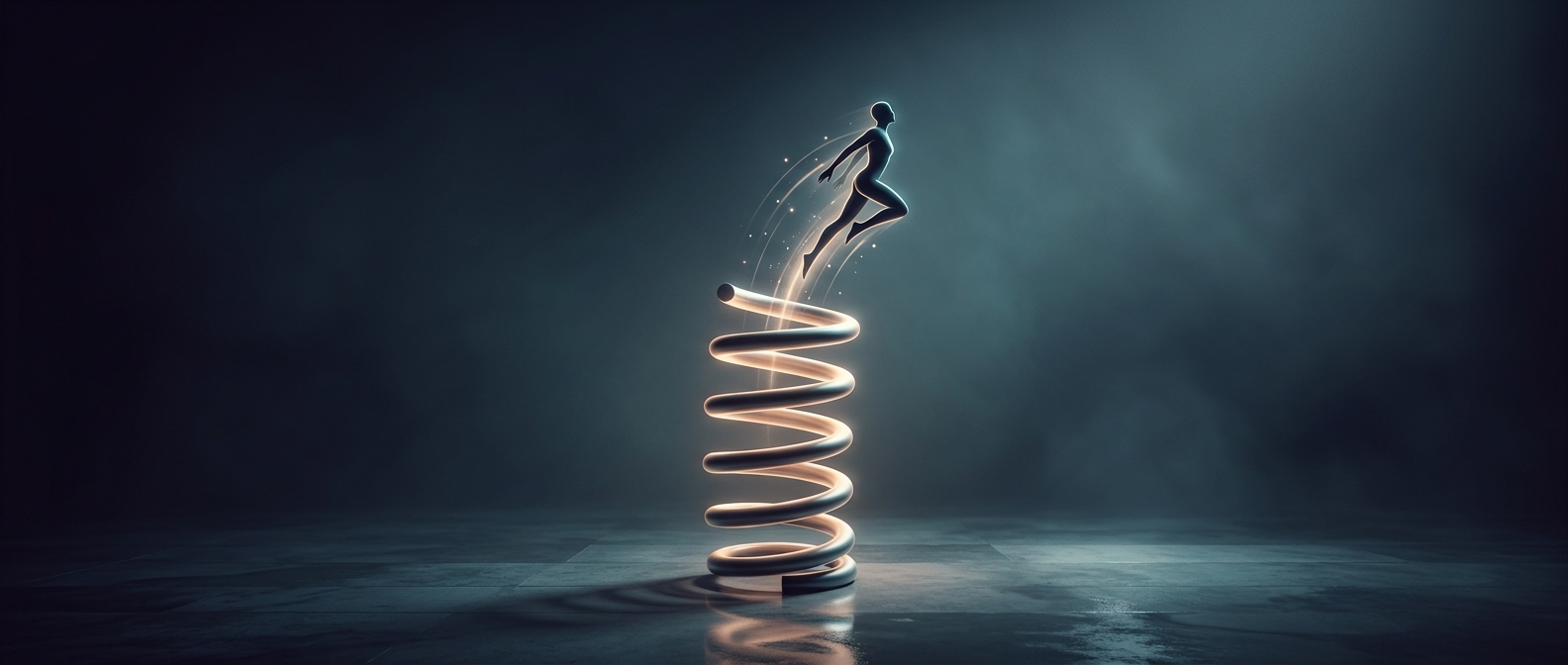
A pogo stick works because its spring stores some of the energy of a landing and returns it on the way back up. But the spring alone cannot keep the rider bouncing: each landing loses energy to heat, sound, and flex in the stick and the ground. The rider must push down again, adding energy with their legs and body.
The spring also has to be matched to the rider. If it is too soft, it compresses too far before pushing back; if it is too stiff, it barely compresses, making the bounce hard to control. The right resistance lets the rider load the spring without bottoming it out, then rise smoothly as it expands.
Balance Is Part of the Mechanism
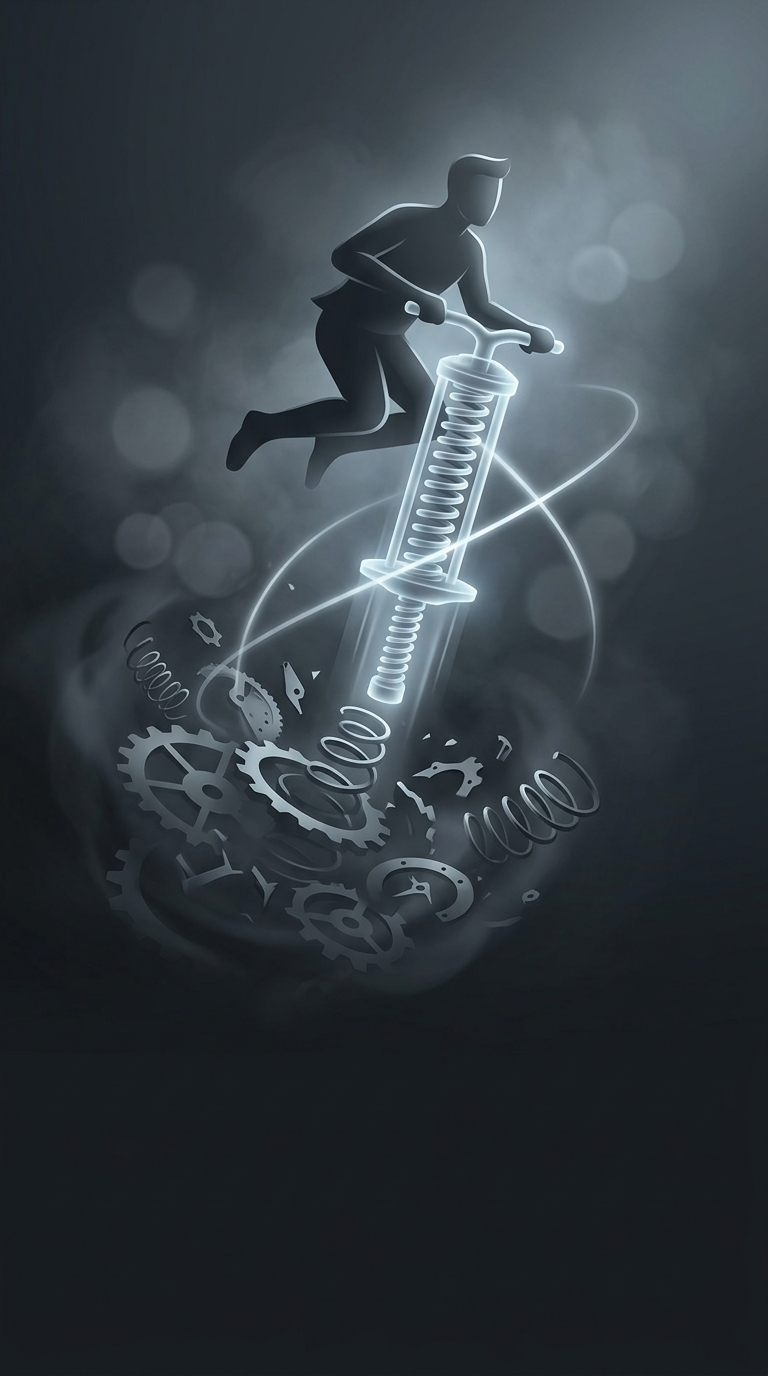
The handles and foot pegs help the rider stay aligned over the spring. On landing, leaning far to one side can send the tip off balance instead of directing the force straight through the stick. A successful bounce therefore depends on timing: the rider bends with the landing, then straightens as the spring rebounds.
Gravity still pulls the rider downward on every hop. The spring only gives back stored energy, while the rider’s next push replaces what the system loses. That is why a pogo stick can turn repeated, small leg movements into a series of hops—but cannot bounce on its own.