What changes when the air stops moving past you
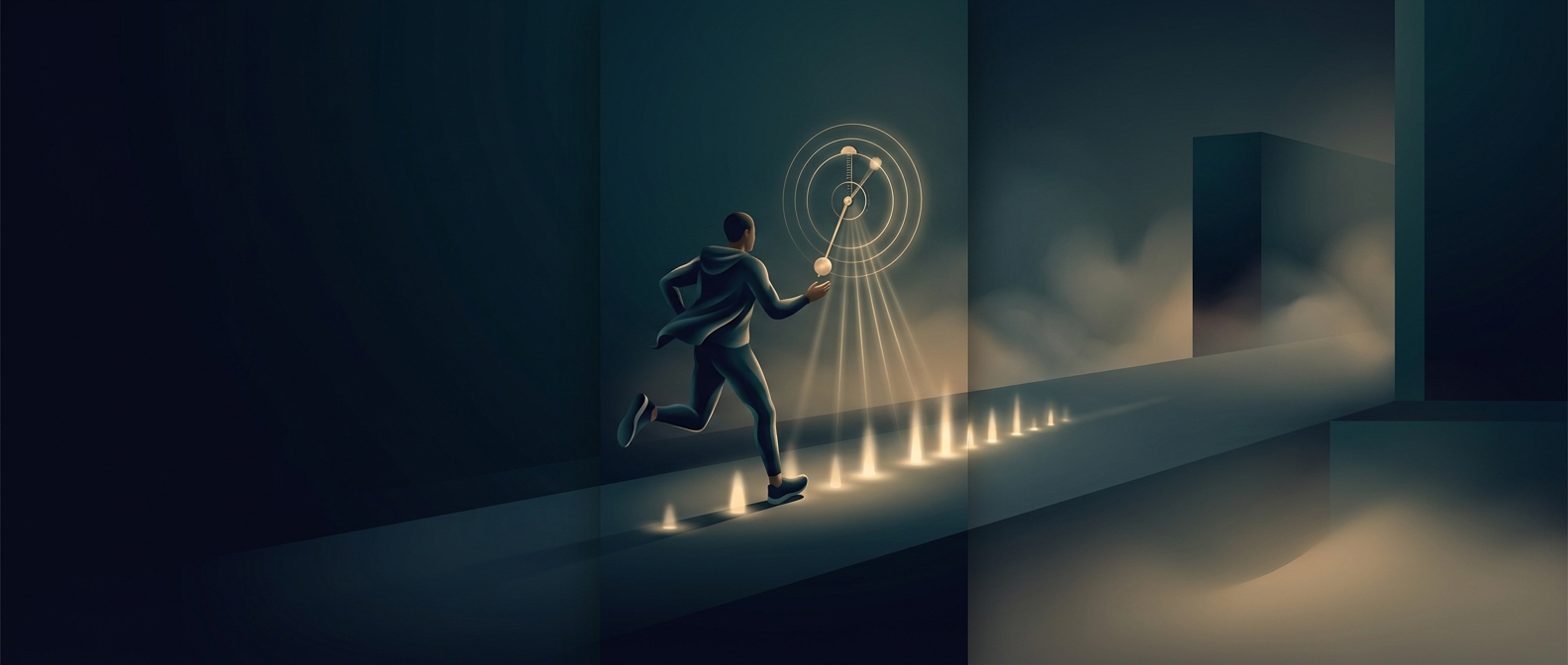
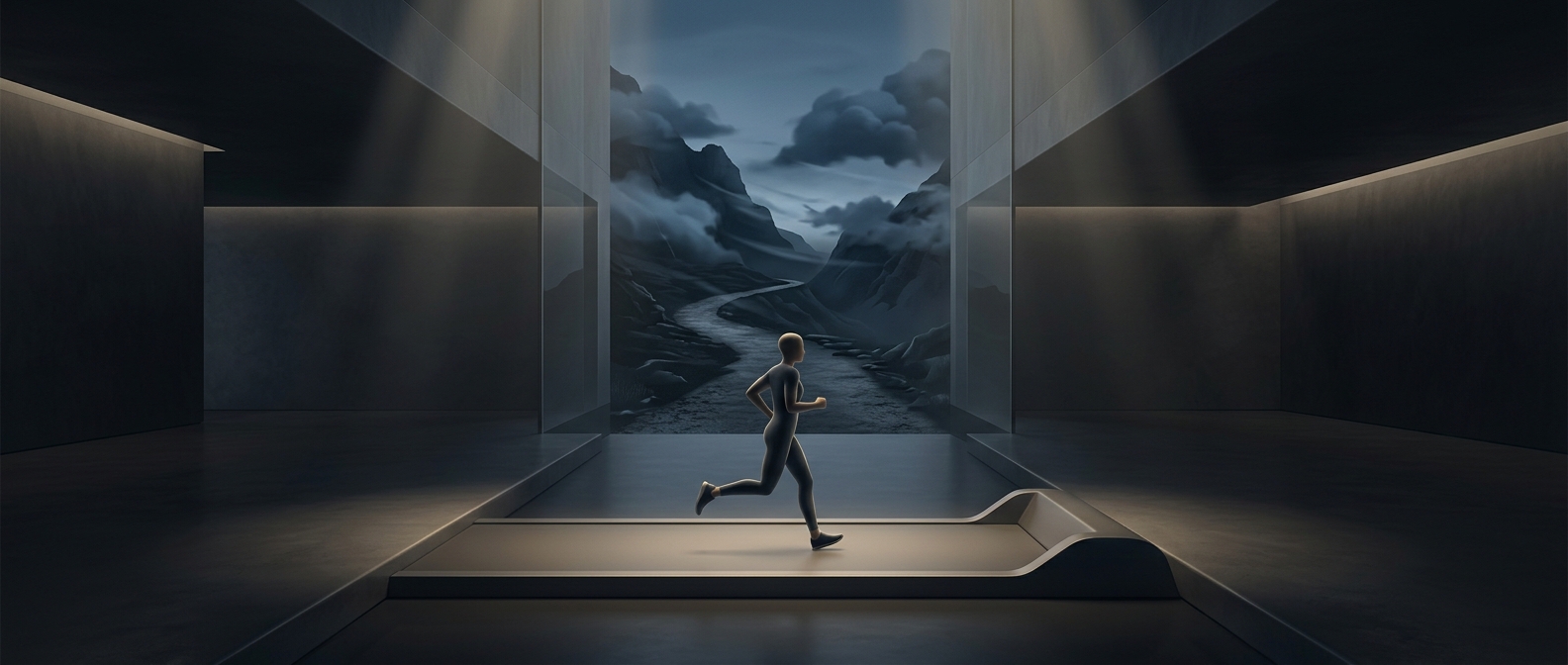
On an outdoor run, your body moves through still air, and that air pushes back. The faster you run, the more noticeable this drag becomes. Your legs and lungs must supply a little extra energy to keep your pace. On a treadmill, you stay in roughly the same place while the belt carries the ground backward beneath you, so you create much less airflow against your body.
That difference can make a familiar pace feel easier indoors. It is not that the treadmill is doing all the work: you still have to lift and drive your body with each stride. Rather, one small cost of running—overcoming air resistance—is reduced.
Why a small incline can help
A slight incline adds a different demand. With the belt angled upward, each step requires more work to raise your body against gravity, partly offsetting the missing resistance from the air. That is why runners sometimes use a modest incline when they want treadmill effort to feel closer to running outdoors at the same speed.
It is an approximation, not a perfect conversion. Wind, temperature, terrain, and running form all change outdoor effort, while treadmill models and incline settings vary. The useful takeaway is simple: if the same pace feels unexpectedly comfortable indoors, the absent headwind may be part of the reason—and a small grade can make the belt feel less like a free ride.