How a Muscle Shortens While Lifting
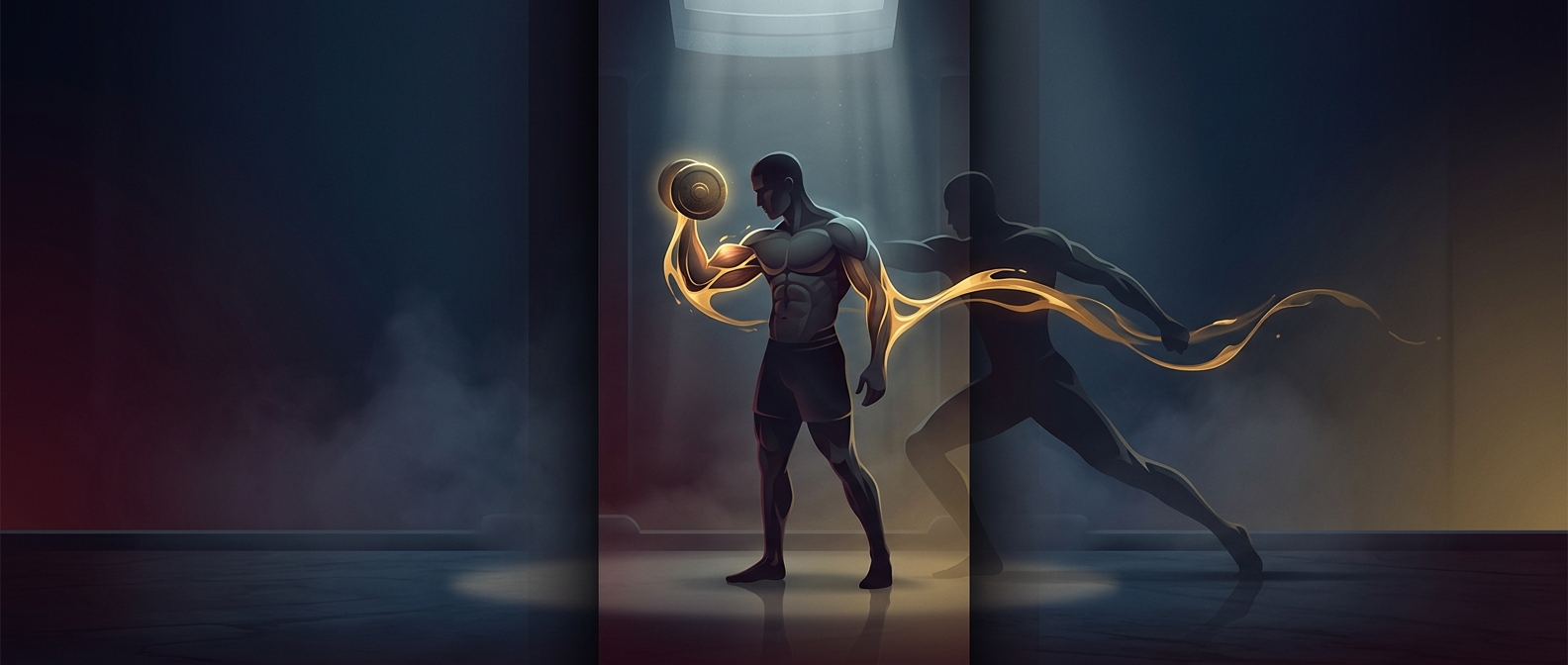
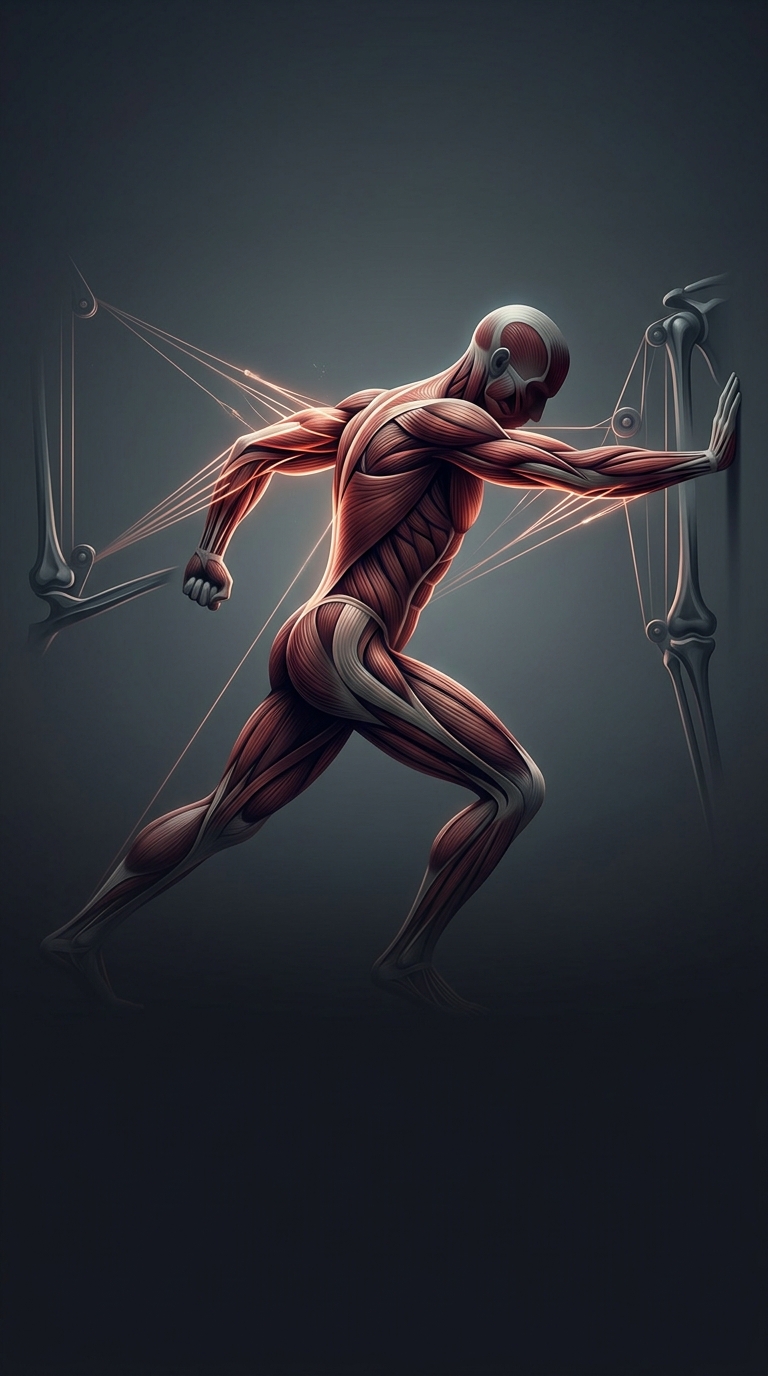
A muscle does not push a bone; it pulls on it through a tendon. When a muscle’s pulling force overcomes the resistance of a load, the muscle’s fibers shorten and draw the attached bone toward the joint. The joint turns, and the weight moves with it. This is the shortening phase of an isotonic contraction, often called a concentric contraction.
Inside each muscle fiber, tiny protein filaments slide past one another, making the fiber shorter. The nervous system recruits muscle fibers and supplies the energy this repeated pulling requires. The muscle’s force must be great enough to move the load, but the load still shapes how the movement feels: a heavier weight generally requires more force and may move more slowly.
The Same Lift Has Two Different Phases
Lowering a weight under control also requires the muscle to work, but its fibers lengthen as the load pulls the joint in the opposite direction. That is an eccentric contraction. In a biceps curl, for example, the biceps shortens as the hand rises, then lengthens while resisting the weight as the hand descends.
The word isotonic is commonly used for movements in which a muscle changes length while producing force. In actual exercise, muscle tension is not perfectly constant throughout a repetition: joint angles and leverage change, so the force needed can vary. The practical distinction is that the muscle is changing length to control movement, rather than holding a joint still against resistance.
That controlled lowering is not a passive break between lifts. The muscle is still resisting the load—just while lengthening instead of shortening.