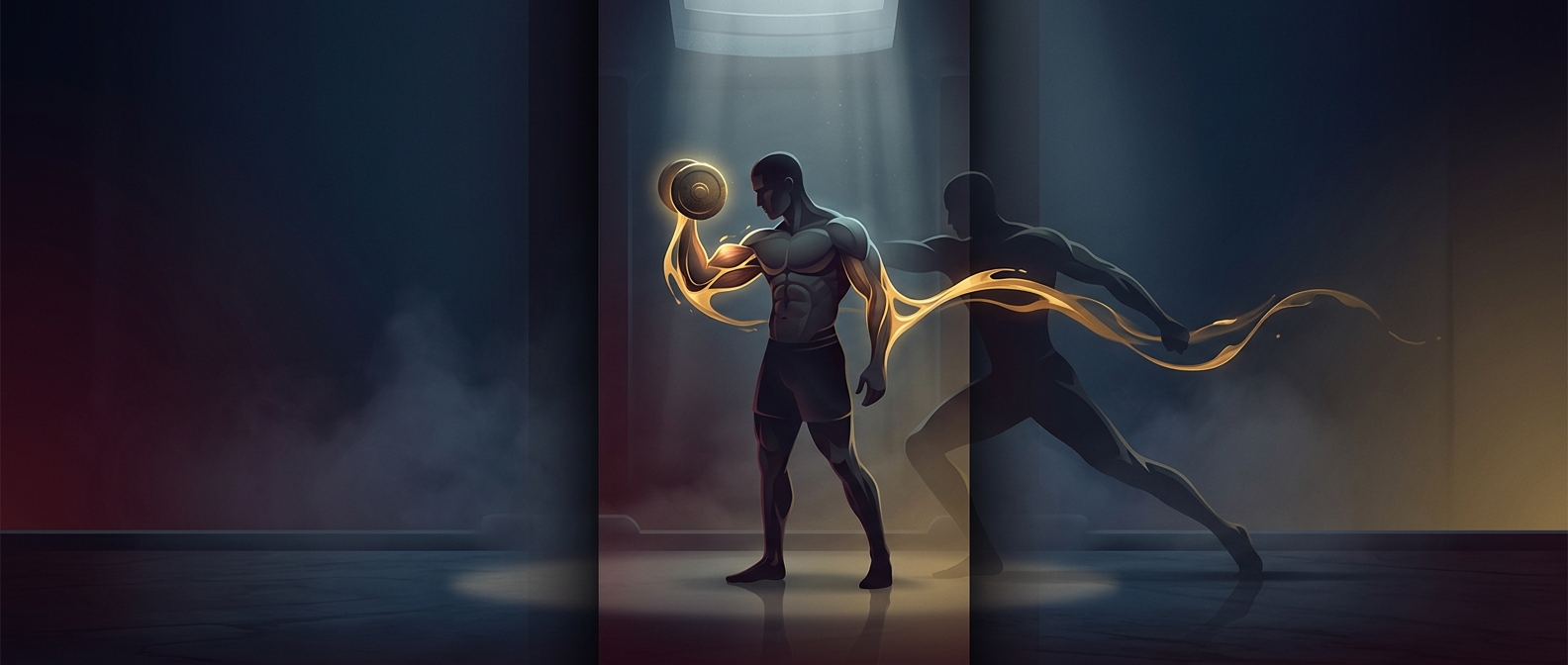
What “isotonic” means in a moving muscle
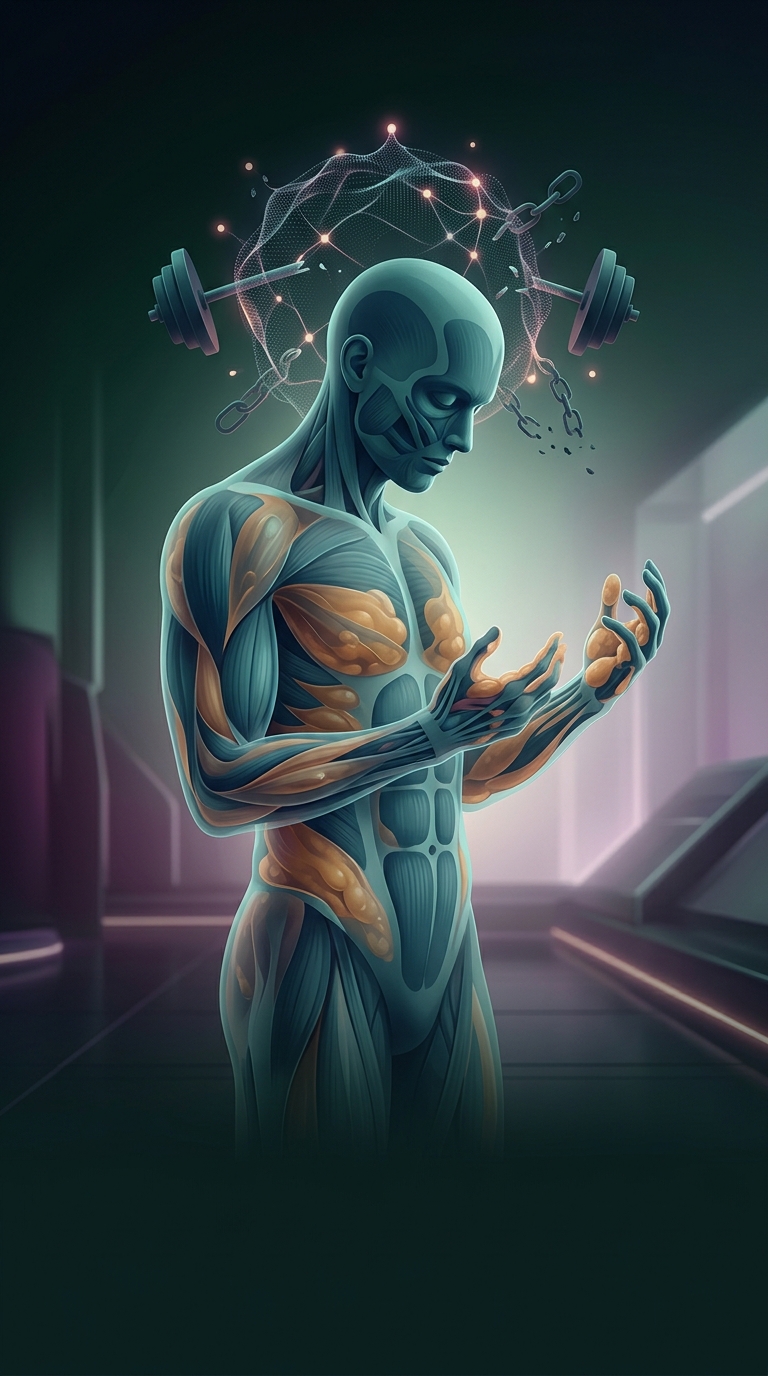
A muscle does not shorten simply because it is switched on. Its cells first build force: tiny protein filaments inside them repeatedly attach, pull, and release, using energy from ATP. If that force is still less than the resistance, the muscle can be active without changing length. Once its pull exceeds the opposing load, the muscle shortens and moves it.
That shortening phase is called a concentric contraction. “Isotonic” is often used for this kind of movement because the load is treated as roughly constant, but the muscle’s force can still vary during a repetition. The name describes the general action, not a perfectly unchanging tension at every instant.
Why the load changes the movement
The same muscle can shorten quickly against a light object, or more slowly against a heavier one. If the resistance is too great, it may produce tension without shortening; if the resistance yields, the muscle fibers slide past one another and the attached tendons transmit the pull to bones across a joint.
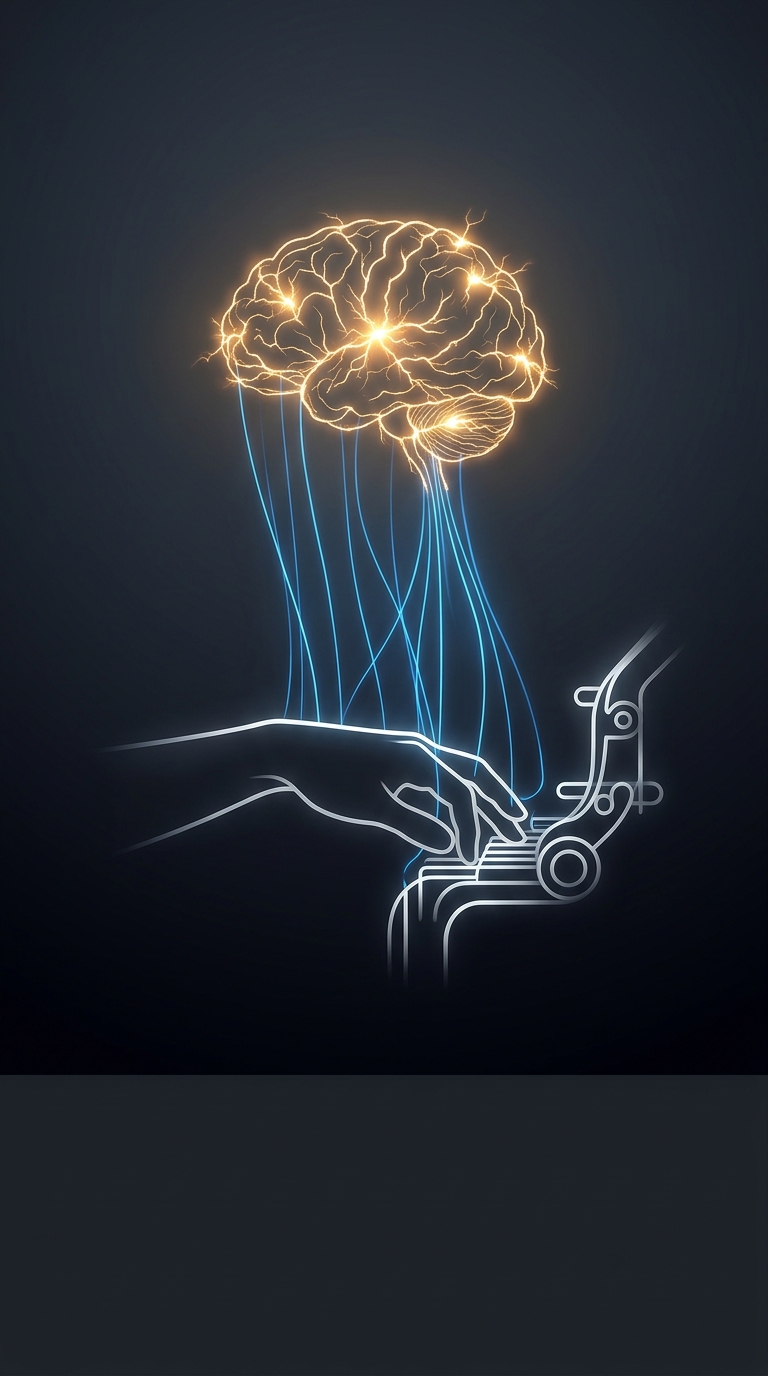
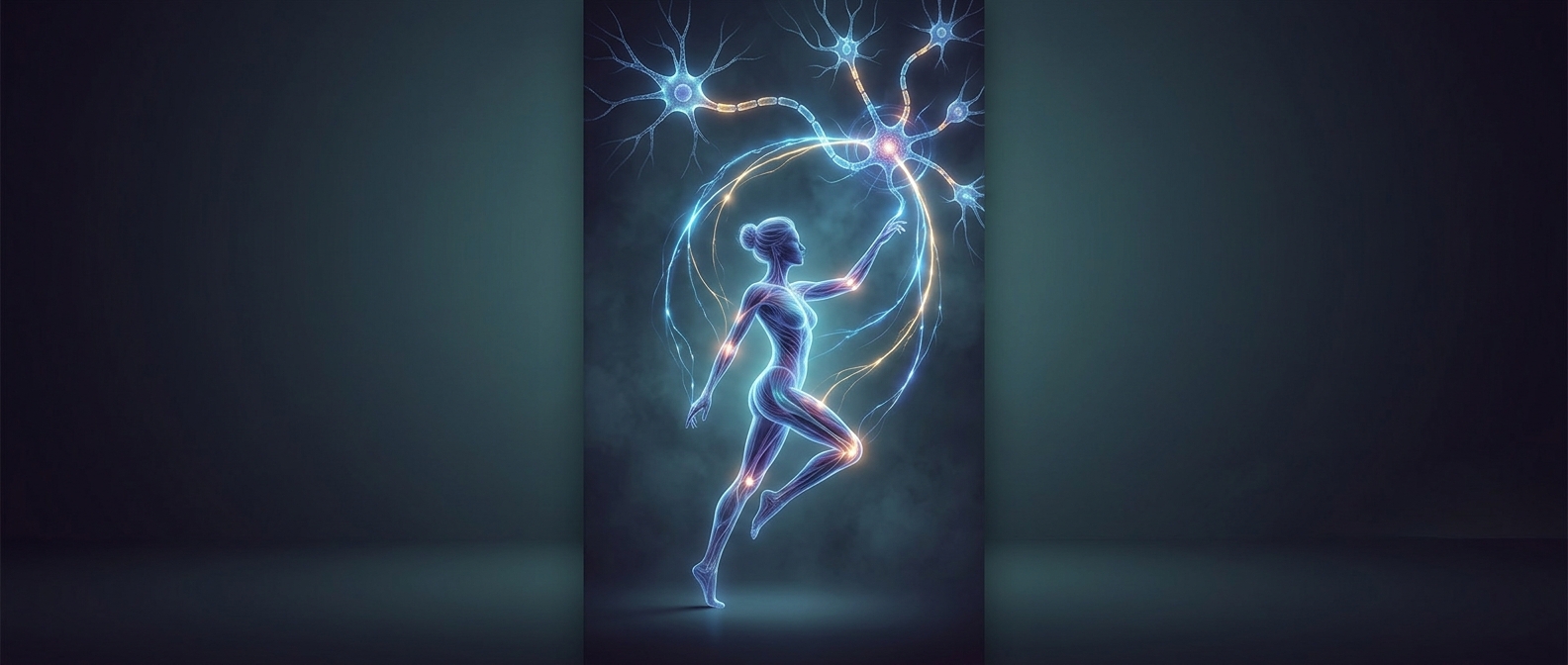
This is why lifting a weight is not just a matter of “contracting harder.” The muscle must generate enough force to overcome the load, while the nervous system coordinates many fibers to control the movement. The visible lift is the final result of that internal tug-of-war: when the muscle’s pull wins, the limb and its load move.