How a decision becomes a muscle movement
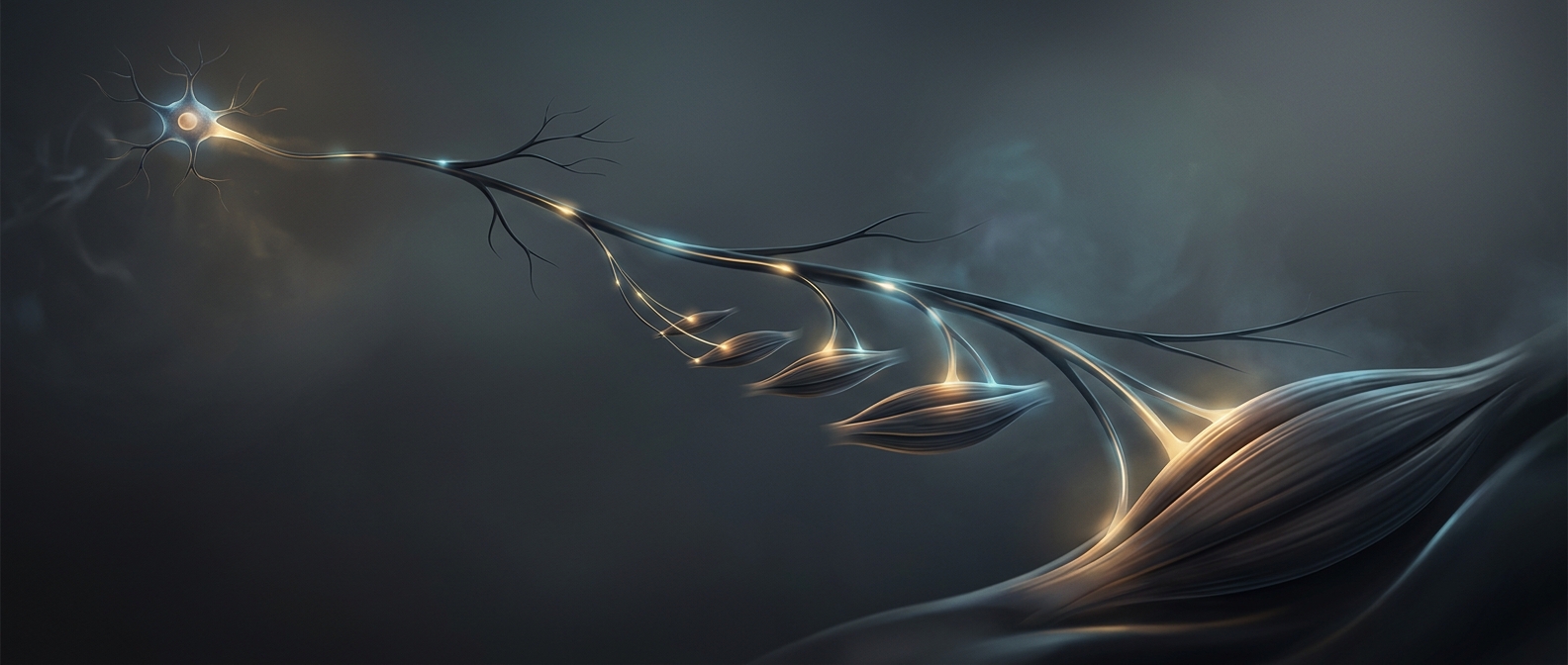
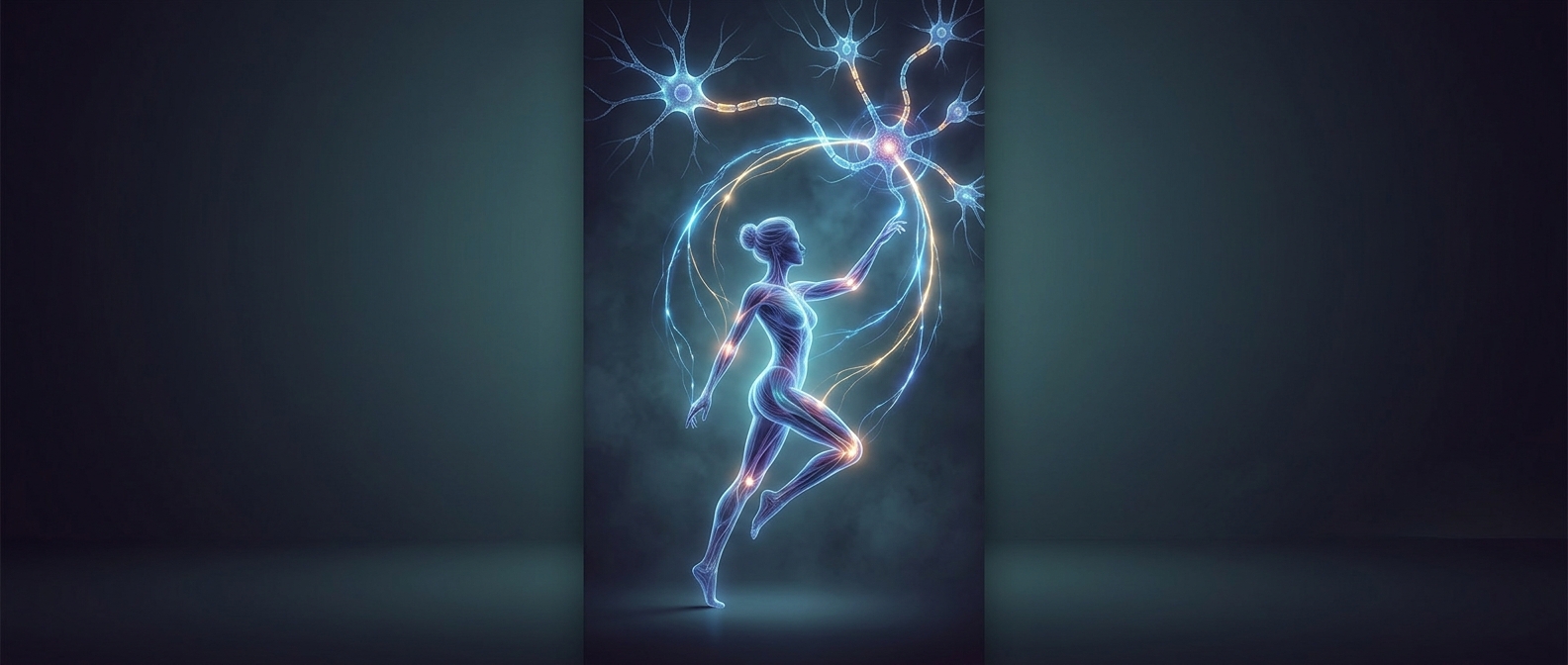
A voluntary movement begins in the brain, where networks plan an action and send commands down the spinal cord. From there, somatic motor neurons—nerve cells that control skeletal muscles—carry electrical signals out to the muscles that move the body’s bones. When a signal reaches a muscle, it triggers the muscle fibers to contract. Reaching for a cup is therefore not a single command: the brain must recruit the right muscles, in the right sequence, while limiting activity in muscles that would pull the arm the wrong way.
Movement depends on feedback, too
The somatic nervous system also carries sensory information back toward the brain and spinal cord. Sensors in muscles and joints report how stretched or bent they are; touch and vision help show where the hand is and whether it has reached its target. The nervous system uses that incoming information to adjust the movement as it unfolds. If the cup shifts, for example, the hand can correct course without the person having to consciously calculate each change.
Not every somatic signal produces a deliberate action. A spinal reflex, such as quickly pulling a hand away from something painful, can activate skeletal muscles without waiting for a conscious decision. The same system therefore supports both purposeful movement and rapid protective responses: it lets you choose to reach, while helping your body correct or interrupt that reach when conditions change.