The body’s arousal signals can misfire
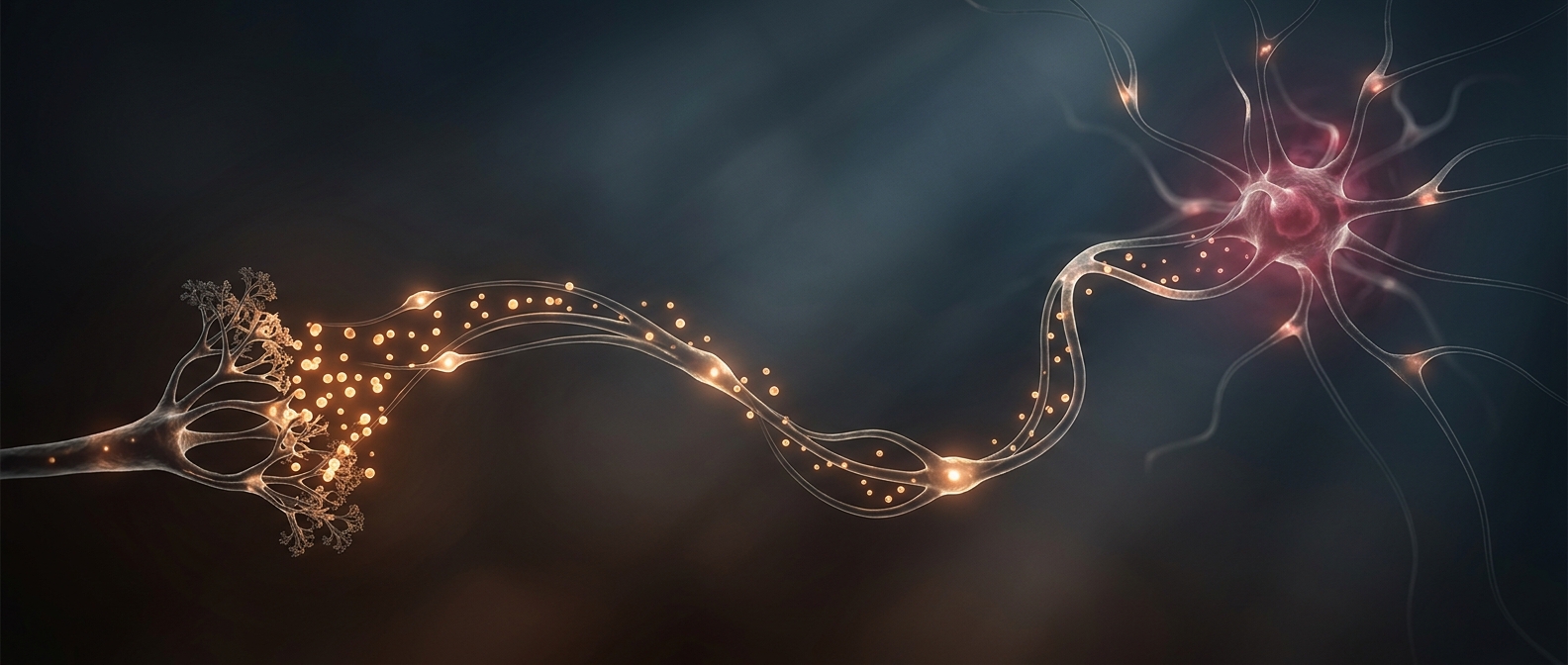
Sexual desire is a feeling of wanting sex; genital arousal is a set of bodily responses, such as increased blood flow and heightened sensation. They often occur together, but they are not the same process. In persistent genital arousal disorder (PGAD), genital sensations associated with arousal can arise without desire or sexual thoughts—and can be intrusive or distressing.
The exact cause is not established. Researchers and clinicians consider several possible contributors, including changes in sensory-nerve signaling, irritation or compression of nerves, and problems involving the pelvic floor or nervous system. These are possibilities to investigate, not a single explanation that applies to everyone. The key point is that involuntary signals from the body can continue even when a person does not want or welcome them.
Why ordinary movement can feel painful
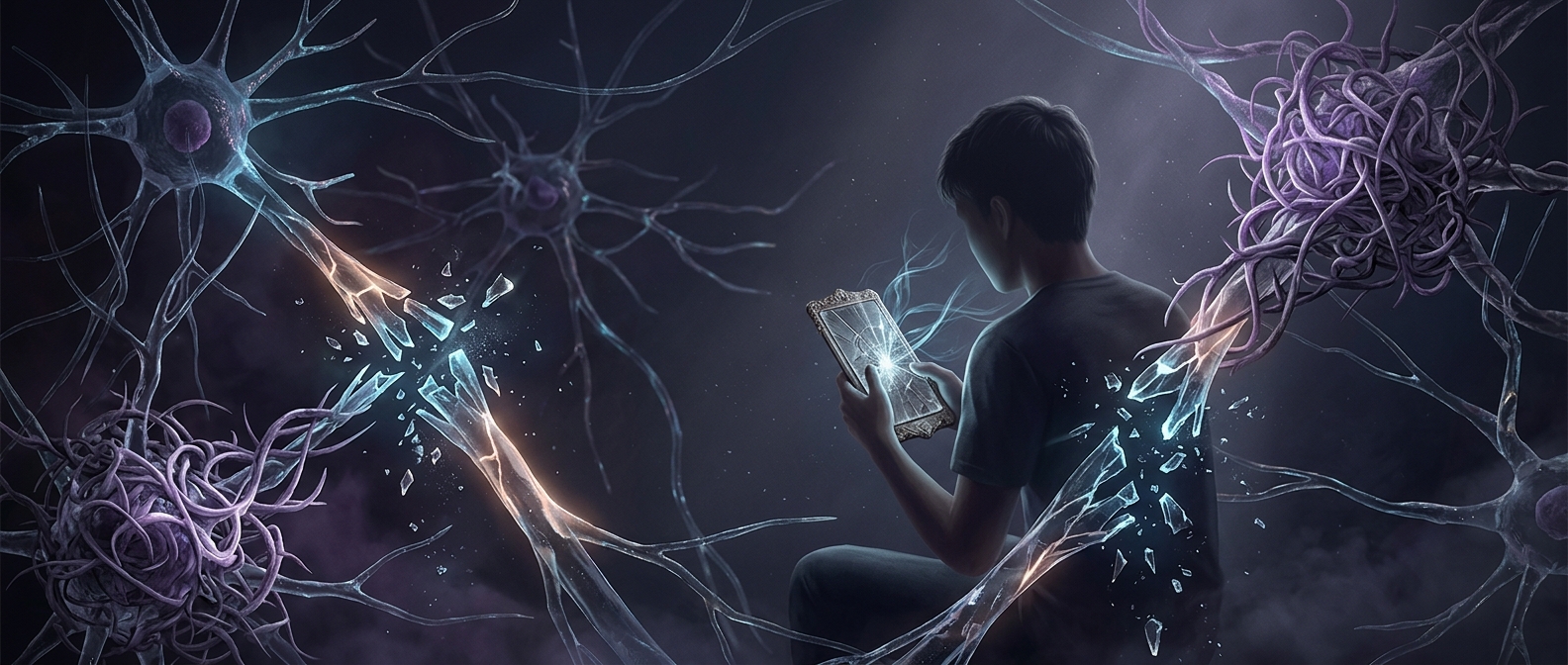
When nerves that carry sensation become unusually reactive, everyday input may be experienced as intense, uncomfortable, or painful. A jolt or vibration that would normally register as background movement can then amplify genital sensations. Pain from a stimulus that is not usually painful is called allodynia. In PGAD, sensitivity can vary: one person may experience pressure or tingling, another pain, and some may have spontaneous orgasms.
An orgasm does not necessarily switch off the symptoms, because the problem is not simply unfulfilled sexual desire. The sensations can persist or return independently of sexual activity. This mismatch—strong physical signals without wanting them—is one reason PGAD can be confusing and isolating, and why describing it as excessive desire misses what is happening.