A screen combines several kinds of visual work
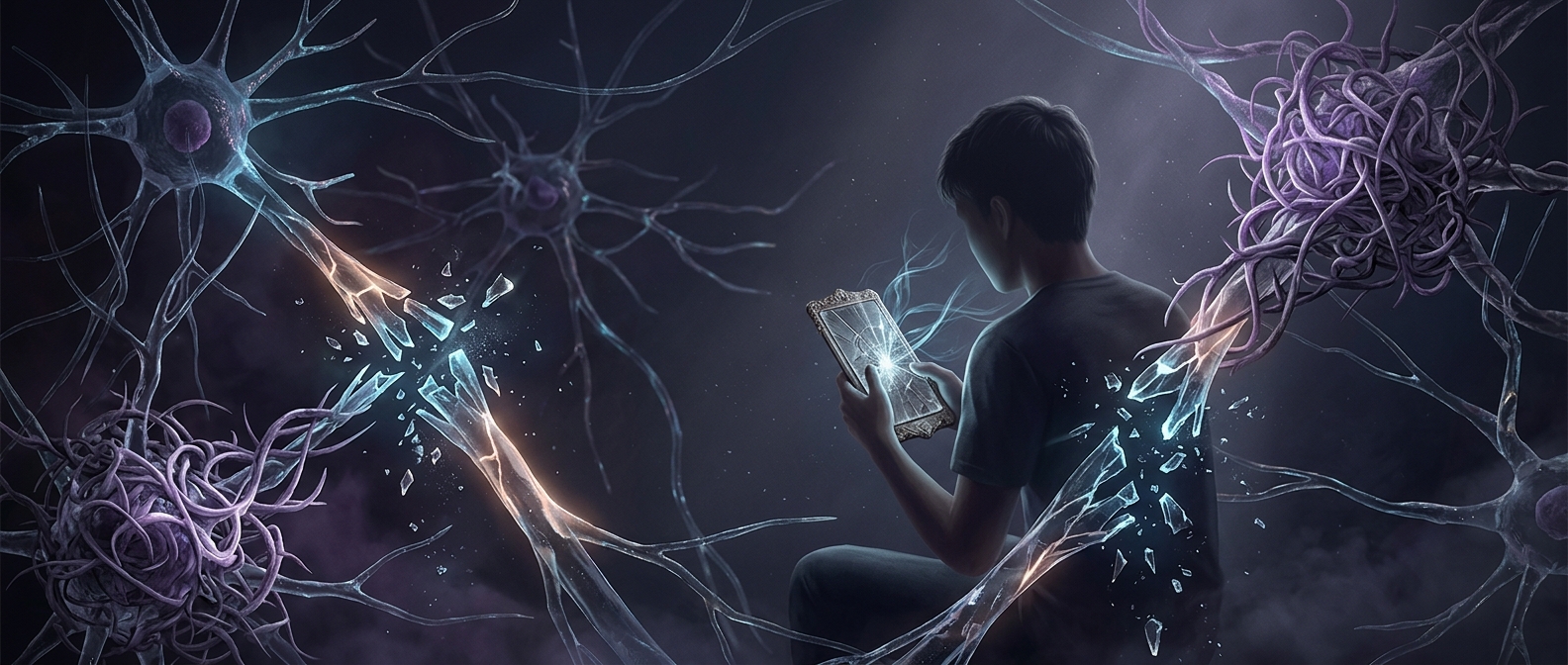
A phone or laptop does more than show a picture. The eyes must hold focus at a close distance, move across text, and keep tracking as images scroll or cuts appear. The brain also has to sort visual information from sounds, notifications, and the task itself. After a concussion, that combination can make ordinary screen use feel demanding even when the body is at rest.
Symptoms can reflect a rising workload
When the visual and attention systems struggle to keep up, symptoms such as headache, blurred vision, dizziness, nausea, or trouble concentrating may flare. These responses can be clues that the current activity is exceeding a person’s tolerance; they do not, by themselves, prove that the concussion has been made worse. Motion-heavy games, rapid scrolling, and switching between tasks can be more challenging than a still, simple display.
Tolerance can change during recovery
There is no single screen limit that fits everyone. A person may manage a brief, quiet task but find a long video call or fast-moving game overwhelming. Returning in manageable stretches, with breaks or reduced visual motion when needed, lets activity match current tolerance; symptoms that persist or worsen are a reason to follow up with a health professional. The useful measure is not how long someone can stare at a screen, but whether the activity remains tolerable during recovery.