How a neuron commits to a spike
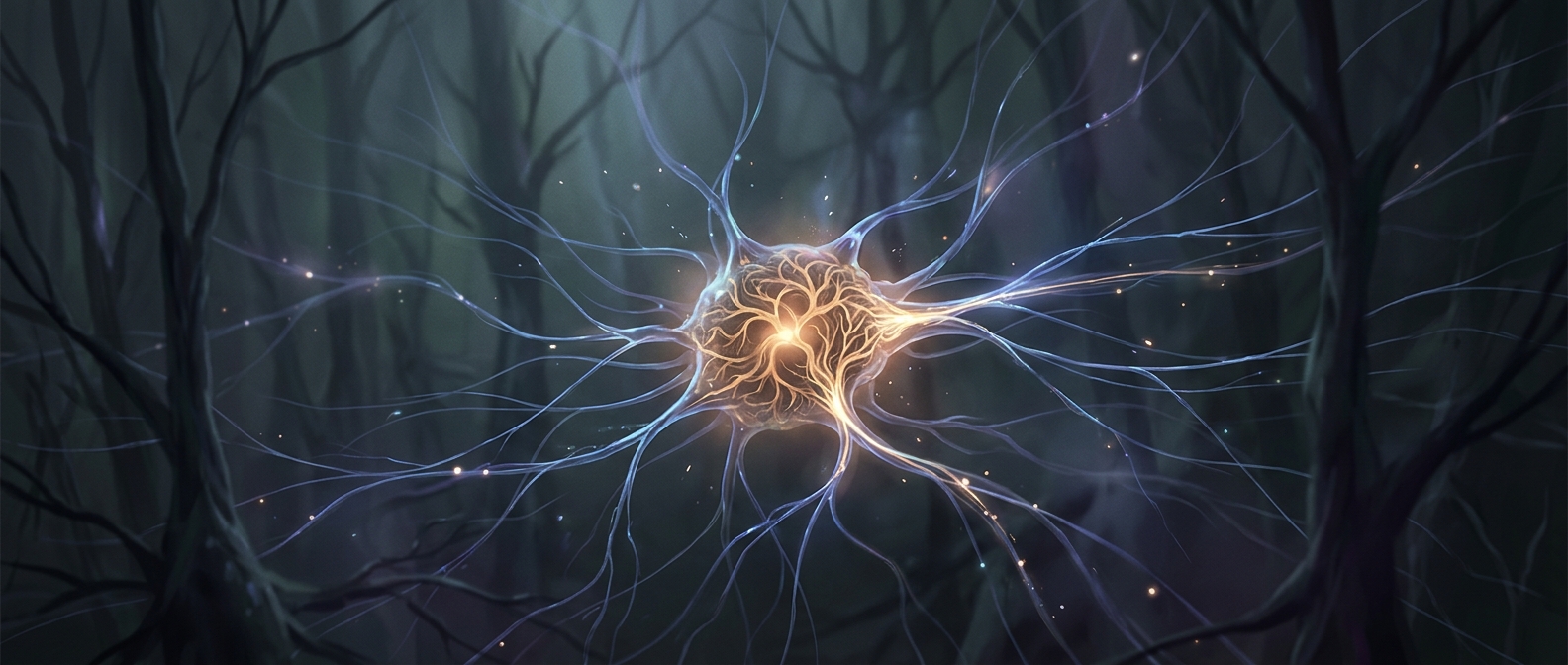
A neuron receives many incoming signals at its branches. Some make the cell’s interior more electrically positive; others push it the opposite way. These small, local changes combine near the neuron’s cell body and along the start of its long output fiber, the axon.
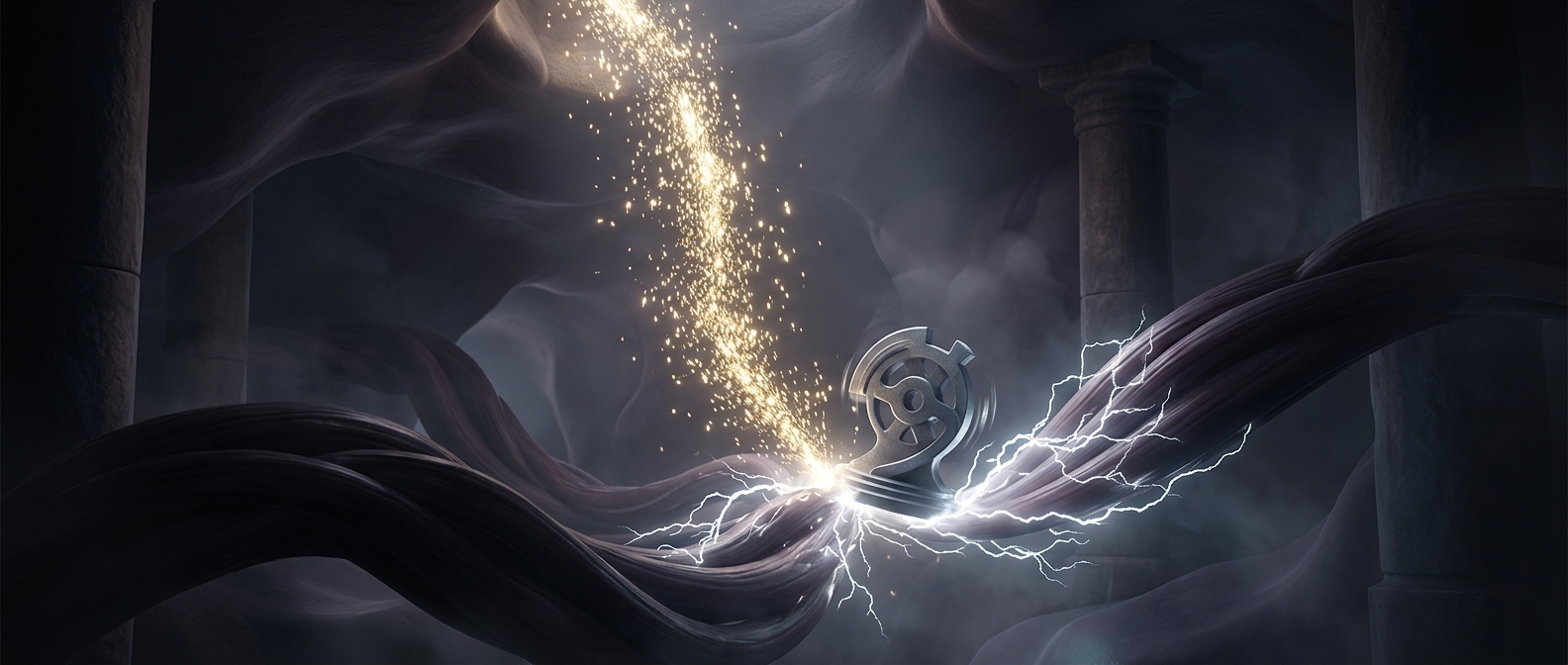
If the combined change opens enough voltage-sensitive sodium channels, sodium rushes into the cell. That influx opens still more sodium channels, creating a rapid, self-amplifying wave of electrical change. Once this chain reaction begins, the spike runs down the axon rather than fading away with distance. If the threshold is not reached, the chain reaction does not start.
How the brain represents a stronger signal
A stronger input can keep the neuron closer to threshold or bring it back to threshold sooner after a spike. The result may be more spikes in a given stretch of time, not taller spikes. Each spike is much like the same-sized pulse; the timing and rate of pulses carry information.
Neurons also work in groups. A stronger stimulus may cause more neurons to fire, or change which neurons fire and when. The brain can therefore read patterns across many cells as well as the firing rate of one cell.
Why there is a limit to firing speed
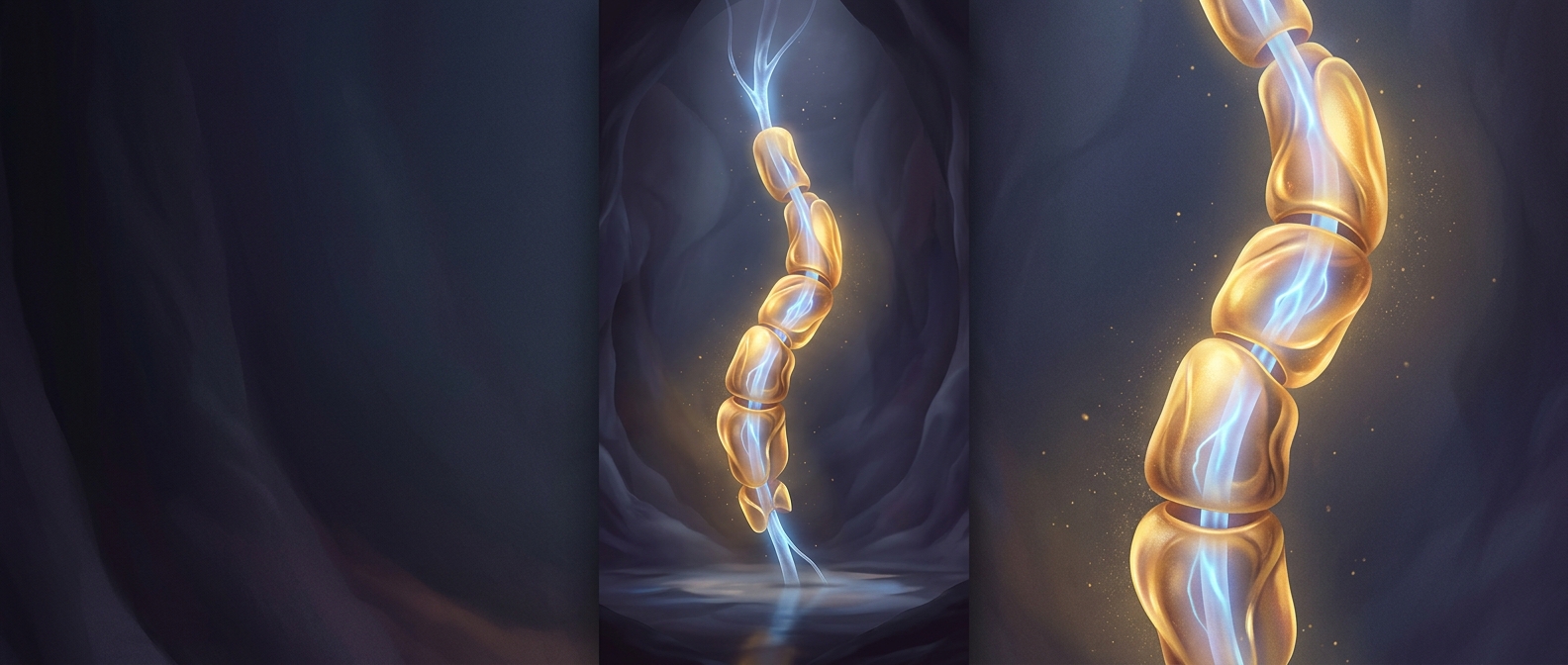
After a spike, the neuron briefly enters a refractory period: a recovery interval when it cannot fire again, or needs a stronger-than-usual push to do so. During this time, ion channels reset and the cell’s electrical balance is restored. This helps keep spikes moving in one direction along the axon and limits how rapidly they can repeat.
So the useful distinction is not simply “on” versus “off.” A single spike is a discrete event, but the spacing and distribution of those events let neural circuits represent changing input.