The nerve-to-muscle handoff
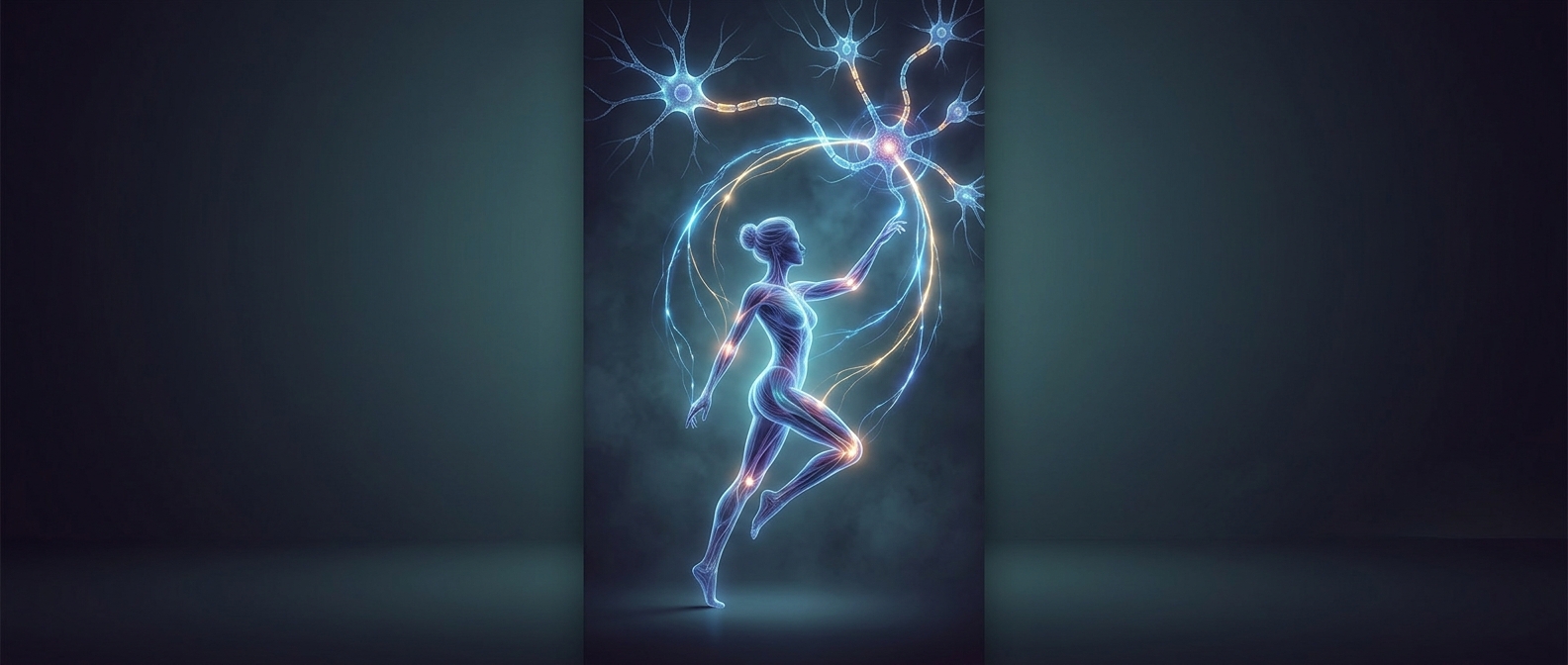
A muscle fiber cannot read a nerve’s electrical signal directly. At the point where a motor nerve meets the fiber—a junction separated by a microscopic gap—the nerve converts that signal into a chemical message. It releases acetylcholine, a messenger molecule that crosses the gap and binds to matching receptors on the muscle’s outer membrane.
From chemical message to electrical signal
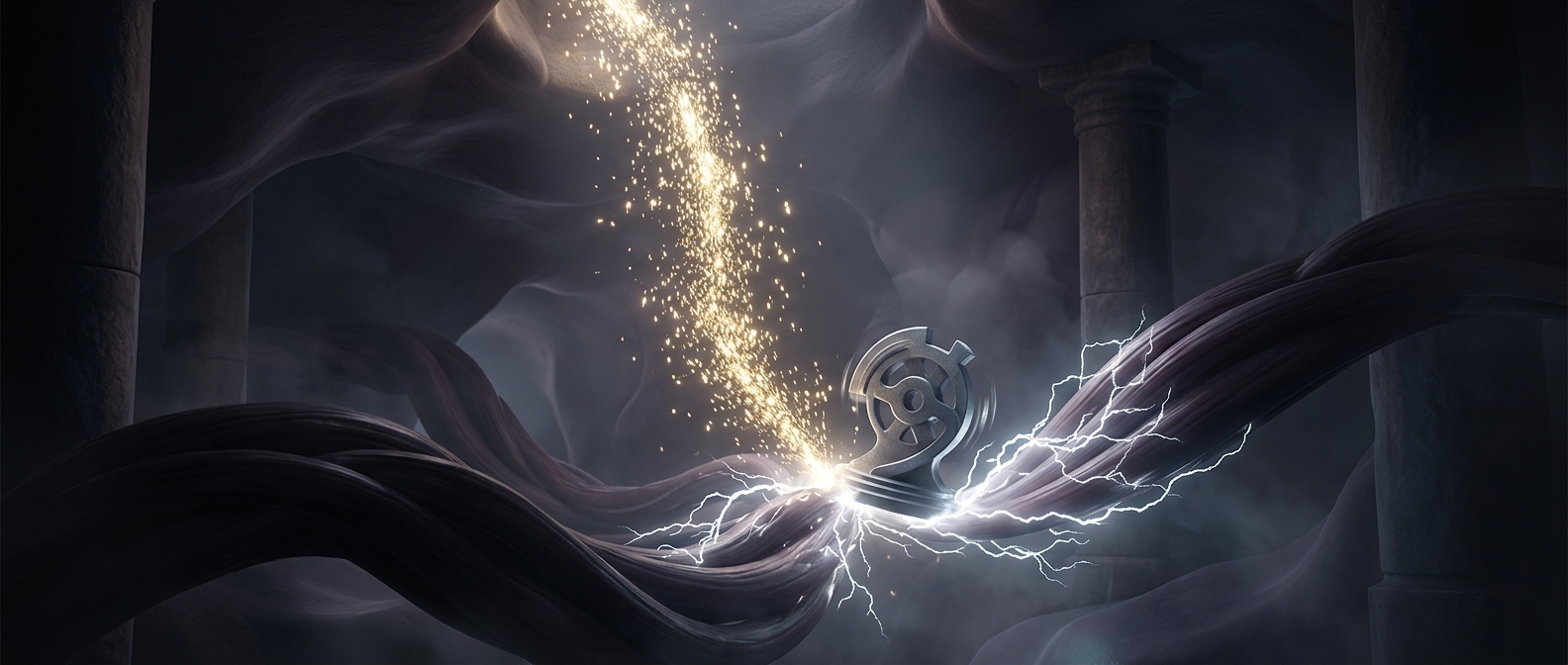
When acetylcholine docks, its receptors open channels in the membrane. Charged particles flow through, changing the muscle fiber’s electrical state. If that change is strong enough, it triggers an electrical impulse that travels along the fiber and into its interior through narrow tunnels in the membrane.
That impulse activates internal machinery that releases calcium stored inside the muscle cell. Calcium then enables the fiber’s contractile proteins to pull past one another, shortening the fiber and producing force. The sequence turns a brief signal at the surface into a coordinated change throughout the cell.
Why the contraction can stop
The handoff is designed to be brief, not a message that stays switched on. An enzyme in the junction breaks down acetylcholine, so the receptors close and the muscle membrane can return toward its resting state. Calcium is then pumped back into storage, allowing the contractile machinery to relax.
This cleanup matters: without it, repeated chemical signaling could keep activating the muscle. Instead, each nerve impulse produces a timed burst of activity—and a thought that sets the process in motion can become a movement through a chain of events too small to see.