When seizure-related changes persist between episodes
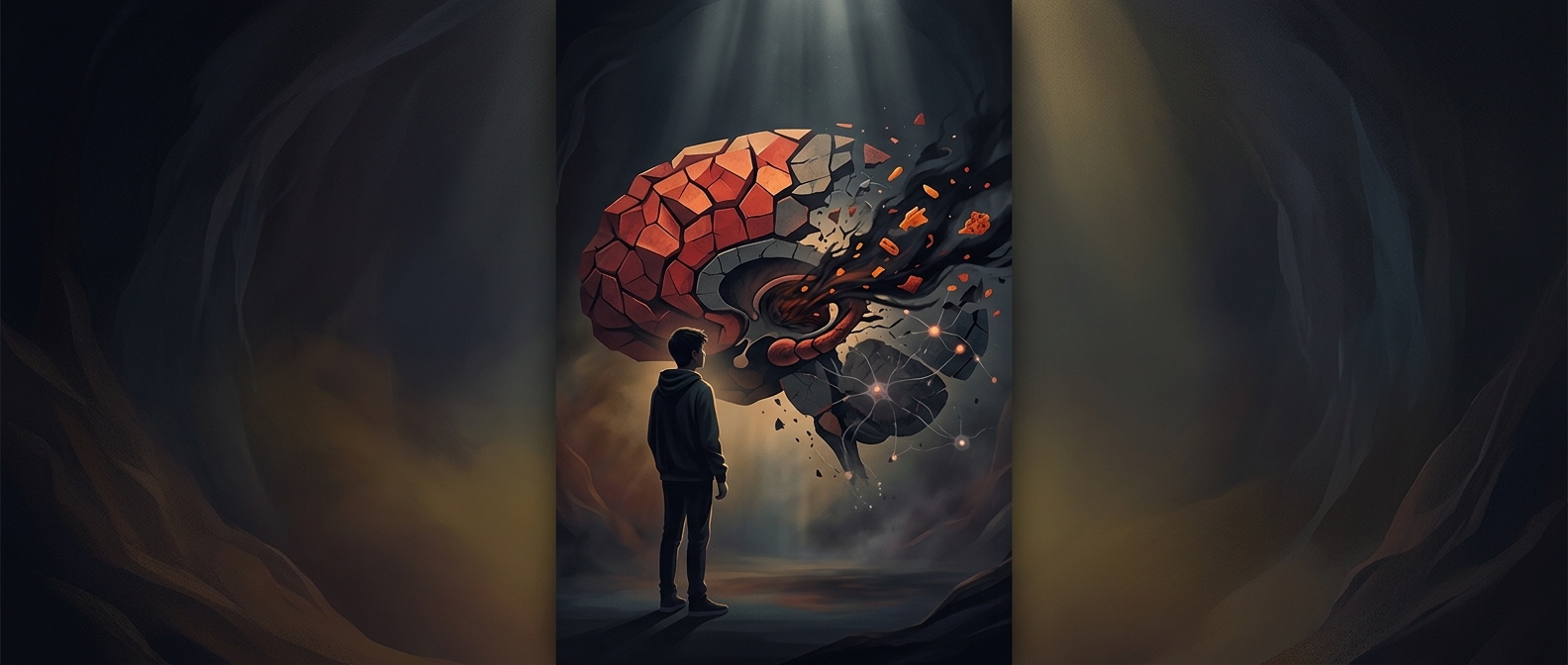
A temporal-lobe seizure is a burst of abnormal electrical activity in brain regions involved in memory, emotion, and the interpretation of experience. During a seizure, those changes can briefly alter perception or feeling. In a small subset of people with temporal-lobe epilepsy, however, the relevant behaviors are not limited to the seizure itself: intense religious preoccupation or compulsive writing may persist between episodes.
These patterns are sometimes grouped under the name Gastaut-Geschwind syndrome. The term describes a cluster of reported behavioral changes, not a condition that every person with temporal-lobe epilepsy develops. Hypergraphia—the urge to write at length, often about personally absorbing subjects—is one feature associated with the cluster; religious preoccupation is another.
Why the behavior can feel so compelling
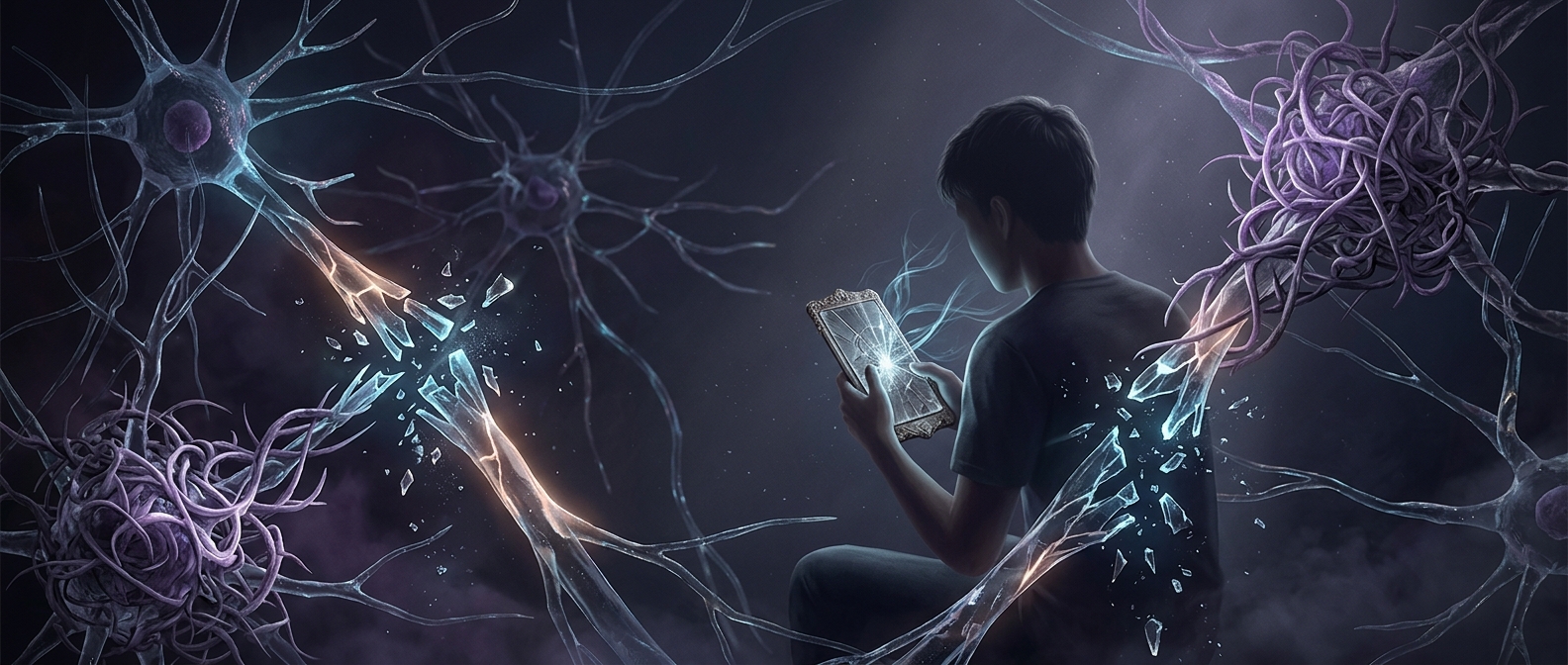
The temporal lobes help connect memory and emotion to what a person experiences as meaningful. When epilepsy affects the networks involving these regions, a person’s attention, emotional intensity, or sense of significance may shift. A subject that once held ordinary interest can occupy far more thought and time; writing may become difficult to stop. That offers a neurological context for the behavior, though it does not mean every belief or written idea is caused by epilepsy.
The pattern is uncommon, and its features vary. It is an association with a neurological condition, not a character flaw or a simple choice. That distinction matters: recognizing a possible brain-related change can help families and clinicians discuss behavior without treating it as proof of a person’s personality—or assuming that all people with temporal-lobe epilepsy will experience it.