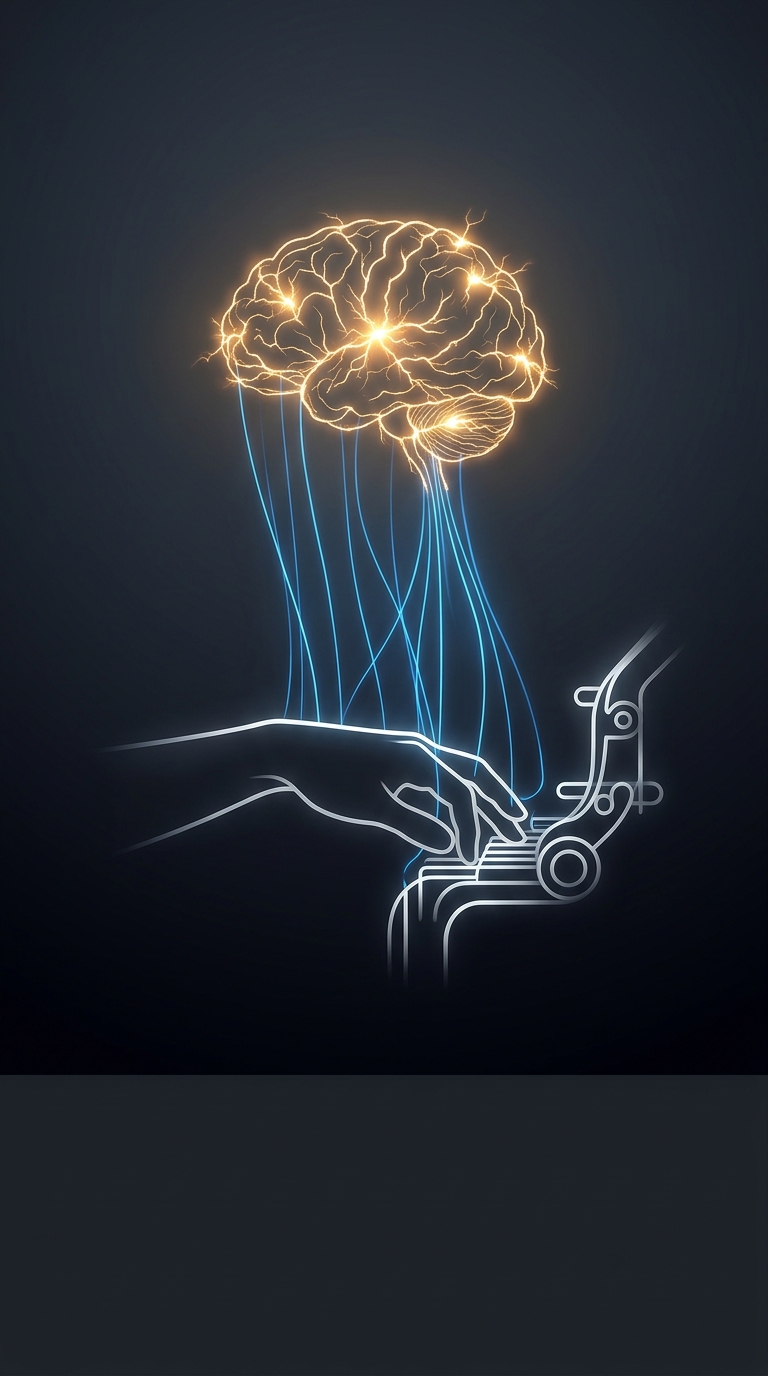
How practice makes a movement feel automatic
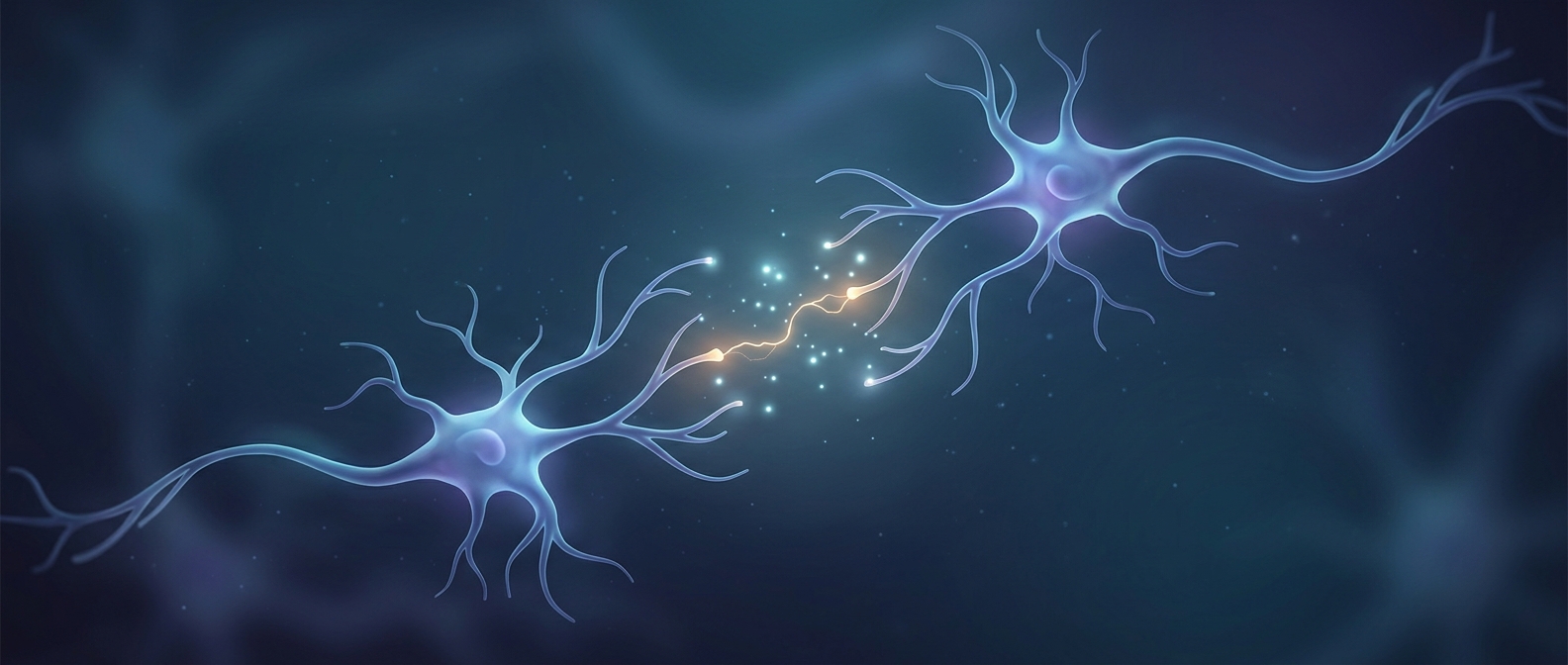
A practiced movement can seem to happen without thought, but the brain is still coordinating it. Repetition strengthens and refines the signals that link a goal—such as reaching for a cup—to a sequence of muscle commands. The muscles produce the movement; learning changes how efficiently the nervous system directs them.
“Muscle memory” is a handy name, not a literal record stored in muscle tissue. Procedural memory is the ability to carry out learned skills and routines. It relies on networks across the brain, including areas involved in planning movement and adjusting it through feedback.
Repetition reduces the need for conscious control
When a skill is new, attention is often occupied by each step: where to place a finger, how much force to use, when to shift weight. Practice gives the brain repeated chances to compare the intended action with what actually happens. It can then tune the timing and coordination of the movement.
As the pattern becomes familiar, fewer parts of the sequence need close, moment-to-moment attention. That frees the mind to focus elsewhere, which is why an experienced typist can follow a conversation while continuing to type. The movement is not independent of the brain; it is simply guided by a well-learned pattern rather than deliberate instructions for every small action.
Automatic does not mean unchangeable
A familiar routine can still be disrupted by fatigue, distraction, or a change in conditions. And practice can make an awkward pattern familiar as readily as a useful one. Improving a skill usually means repeating it with enough attention to notice errors and adjust, rather than merely performing the motion over and over.
The lasting change is in how the nervous system organizes the action—not in muscles keeping a personal record of every repetition.