How the Gut Pushes Food Along
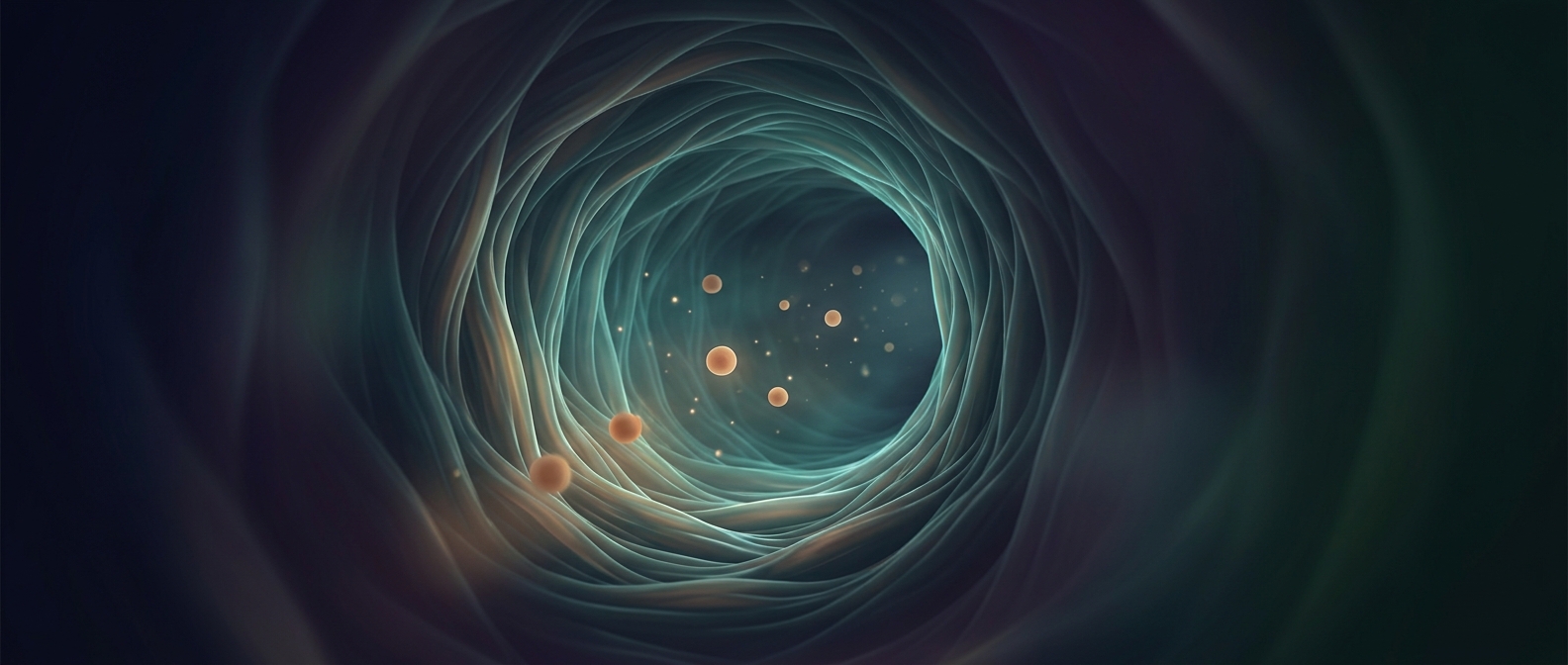
The muscles in the digestive tract work in coordinated waves rather than as a single squeeze. A ring of smooth muscle tightens behind food while the section ahead relaxes, nudging the contents forward. This traveling pattern is called peristalsis. It helps move swallowed food down the esophagus and carries partly digested material through the intestines.
A Built-In Control System
Smooth muscle differs from the skeletal muscle you use to lift an arm: it is not under direct voluntary control. Nerves in the gut wall help coordinate when muscle contracts and relaxes, while signals from the surrounding nervous system and hormones can adjust the activity. Stretch also matters. As food or fluid distends part of the gut, local responses help trigger movement.
The result is not a simple conveyor belt running at one speed. The digestive tract can mix its contents as well as move them onward. In the stomach and intestines, contractions churn food and bring it into contact with digestive fluids; other waves propel it toward the next section. The timing gives the body a chance to break food down and absorb nutrients before the remaining material travels farther.
Why the Motion Matters
Because these contractions happen automatically, digestion can continue while attention is elsewhere—even during sleep. But the muscle's job is more than keeping things moving: its coordinated squeezing and relaxing determines whether contents advance, mix, or pause long enough for the gut to do its work. Without that behind-the-scenes timing, digestion would not be an orderly journey through the body.