A Deep Cushion Between Moving Cheek Layers
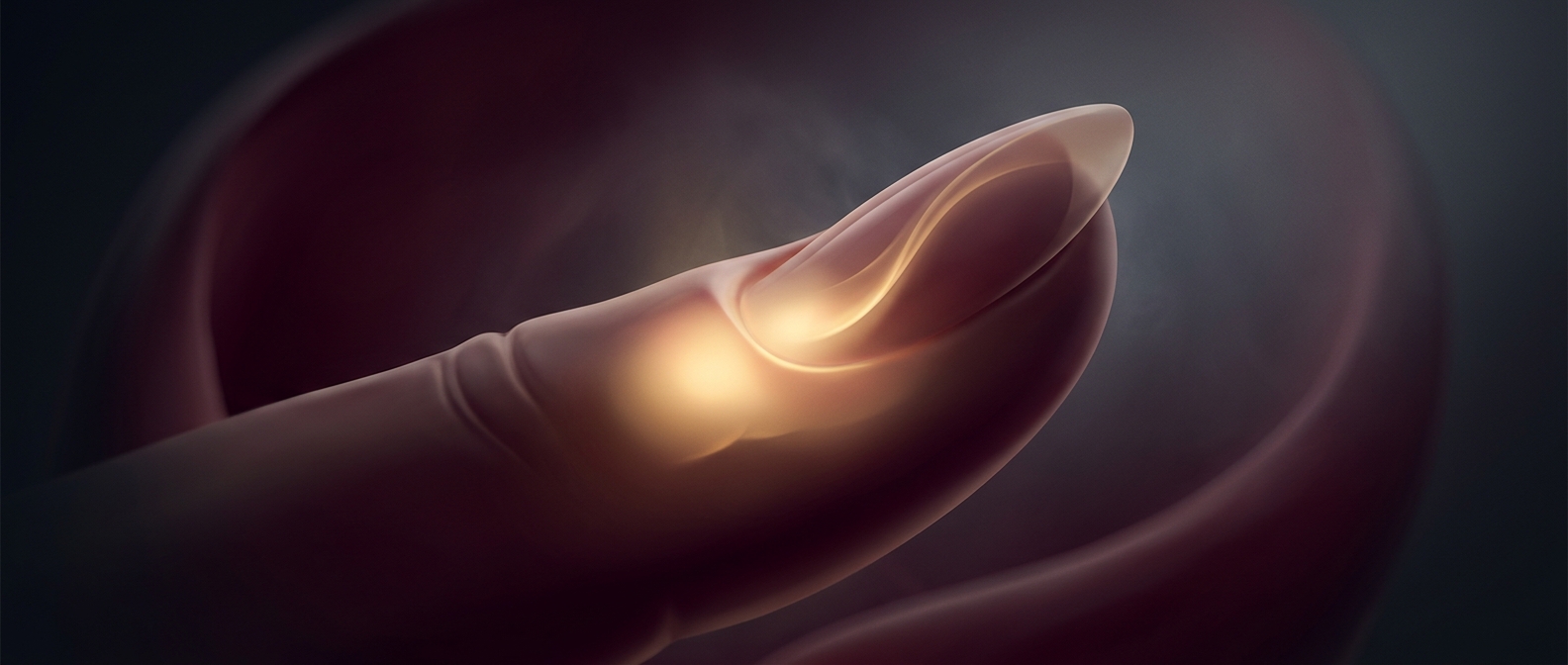
A buccal fat pad is a distinct pocket of fat deep in the cheek, rather than part of the soft layer just beneath the skin. It sits among the muscles and connective tissues involved in chewing. Its shape and position help keep those tissues from dragging directly against one another as the jaw moves, while also providing padding around nearby structures.
The pad is wrapped in a thin covering and has extensions that reach into neighboring spaces of the face. That makes it more like a shaped anatomical compartment than a loose lump of fat. Its size varies from person to person, which is one reason cheeks can look full even when the rest of the face is relatively lean.
Why Removing It Can Change More Than Cheek Fullness
In buccal fat removal, a surgeon takes out part of this deep pocket through an incision inside the mouth. Because the change happens beneath the surface, it can make the lower cheek look more hollow without removing skin or altering the jawbone. The visible result depends on the person’s facial structure and how much padding is removed.
That padding is not easily replaced by the superficial fat that gives the skin its softness. As faces naturally lose volume with age, taking away some of the deeper support can make hollowness more noticeable later. The tradeoff is therefore not simply a slimmer cheek: it is a lasting change to a cushion that normally helps the cheek’s layers move and fill out the face.