How a spinal circuit turns sensation into action
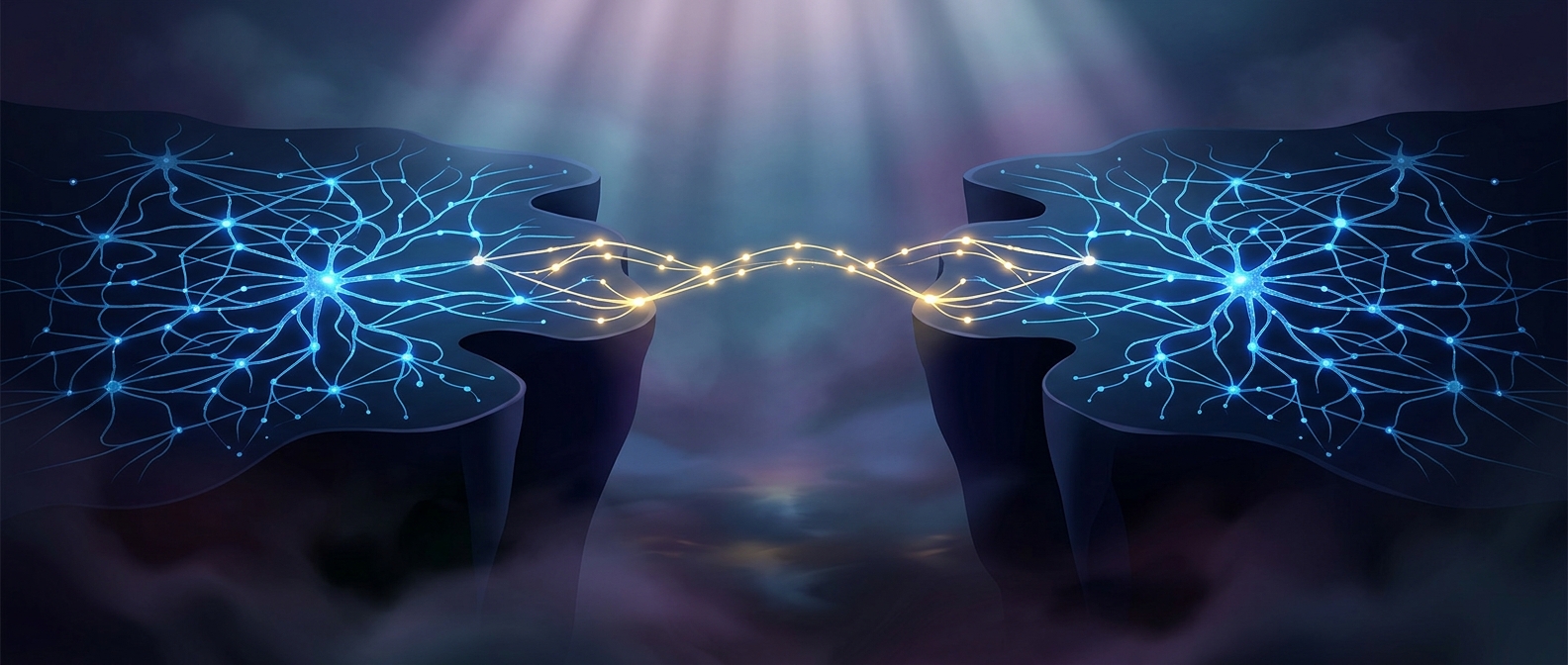
When a sensory neuron brings a signal into the spinal cord, the message does not automatically become a motor command. Interneurons help interpret and route that signal inside the central nervous system—the brain and spinal cord—by connecting neurons there. Some pass activity onward; others dampen it, helping shape which muscles respond.
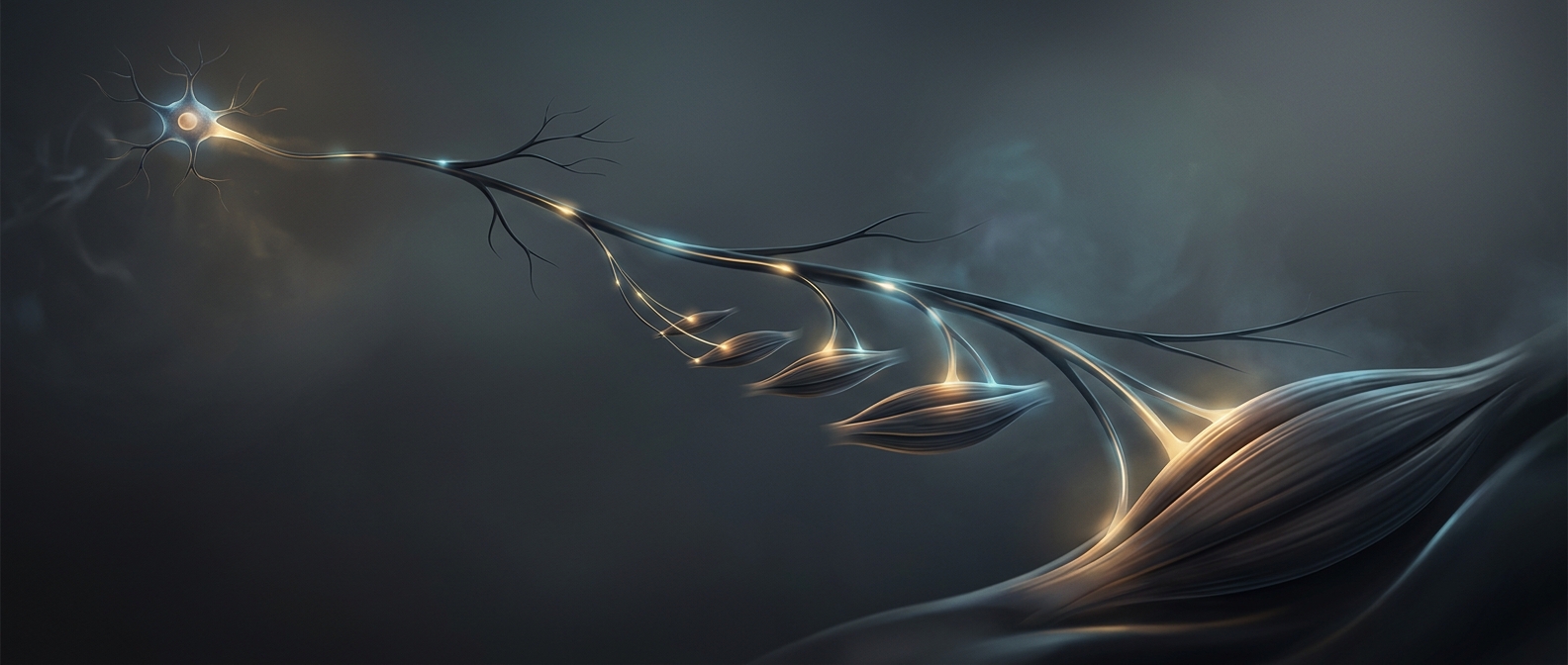
In a quick withdrawal reflex, for example, a painful stimulus can activate a sensory neuron that excites an interneuron in the spinal cord. That interneuron then helps activate motor neurons serving muscles that pull the limb away. The motor neurons—not the interneurons—send signals out to the muscles. Because the circuit can be handled locally, the hand may start moving before the brain has fully processed the sensation.
The connection can shape the response
Interneurons do more than relay a message. Their connections can coordinate opposing actions: as one set of muscles contracts to withdraw a limb, signals can reduce activity in muscles that would resist that movement. The result is not simply “signal in, signal out,” but a response organized by the circuit’s pattern of connections.
Not every sensory-to-motor connection uses an interneuron; some simple spinal reflexes connect sensory and motor neurons directly. But interneurons make more elaborate processing possible within the spinal cord, so a fast protective movement can be coordinated without requiring every step to travel up to the brain and back.