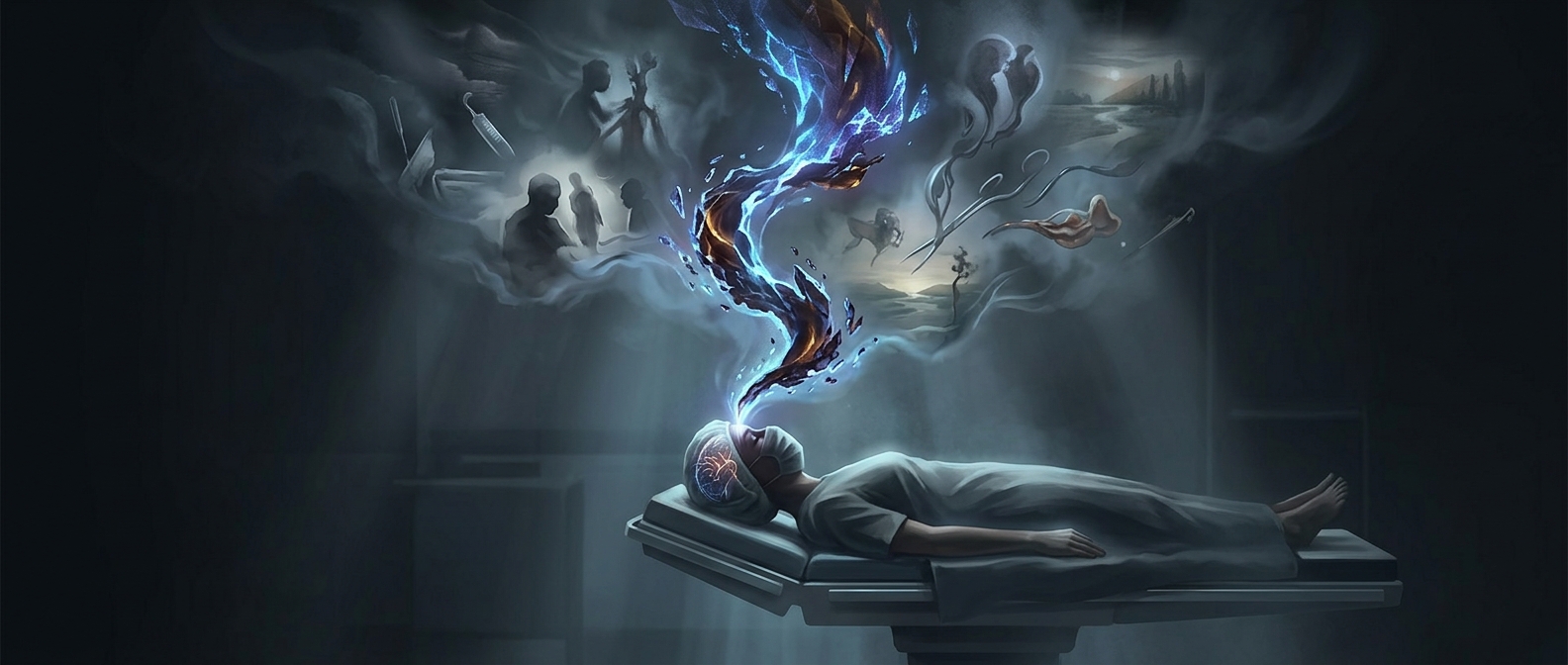
Why familiar cues matter after surgery
After an operation, a patient may wake in an unfamiliar room, surrounded by people they do not recognize and equipment they have never seen. Anesthesia, pain, poor sleep, and illness can all make it harder for the brain to focus and make sense of events. When glasses or hearing aids are missing, the room becomes even less legible: faces blur, speech is harder to follow, and ordinary interactions can feel confusing.
Restoring information helps the brain stay oriented
Delirium is a sudden change in attention and awareness. A person may become confused, unusually sleepy, agitated, or have trouble following a conversation. It can fluctuate over the course of a day. Returning a patient’s usual glasses and hearing aids does not treat every cause of delirium, but it reduces avoidable gaps in what they can see and hear.
With clear vision and better access to speech, patients can recognize familiar people, understand explanations, and connect what is happening around them. Those cues help them keep track of where they are and why someone is entering the room—small pieces of information that can make an unfamiliar setting less disorienting.
A practical part of postoperative care
The devices may be set aside for surgery or recovery, so staff and caregivers can make sure they are available again when the patient is awake and it is safe to use them. This simple step works best as part of attentive care, alongside checking for other contributors to confusion and helping the patient rest and communicate.
The payoff is tangible: a patient who can see a nurse’s face and hear a question clearly has more of the information needed to understand the moment they are in.