The examination depends on a live connection
A telestroke consultation is more than a video call. A neurologist at another hospital needs to hear how symptoms began, ask the patient to follow commands, and watch tasks such as raising both arms or speaking. Those responses help assess how the brain is functioning. If the video freezes or audio drops, the specialist may have to repeat parts of the examination or wait for the link to return.
At the same time, clinicians at the patient’s local hospital can perform a brain scan. A CT scan—an X-ray-based image of the brain—helps show whether the stroke is caused by a clot or bleeding. That distinction matters because treatments intended to break up a clot can be dangerous when bleeding is the cause. The remote specialist interprets the examination alongside the local team’s findings and helps guide the next decision.
A delay can change what recovery looks like
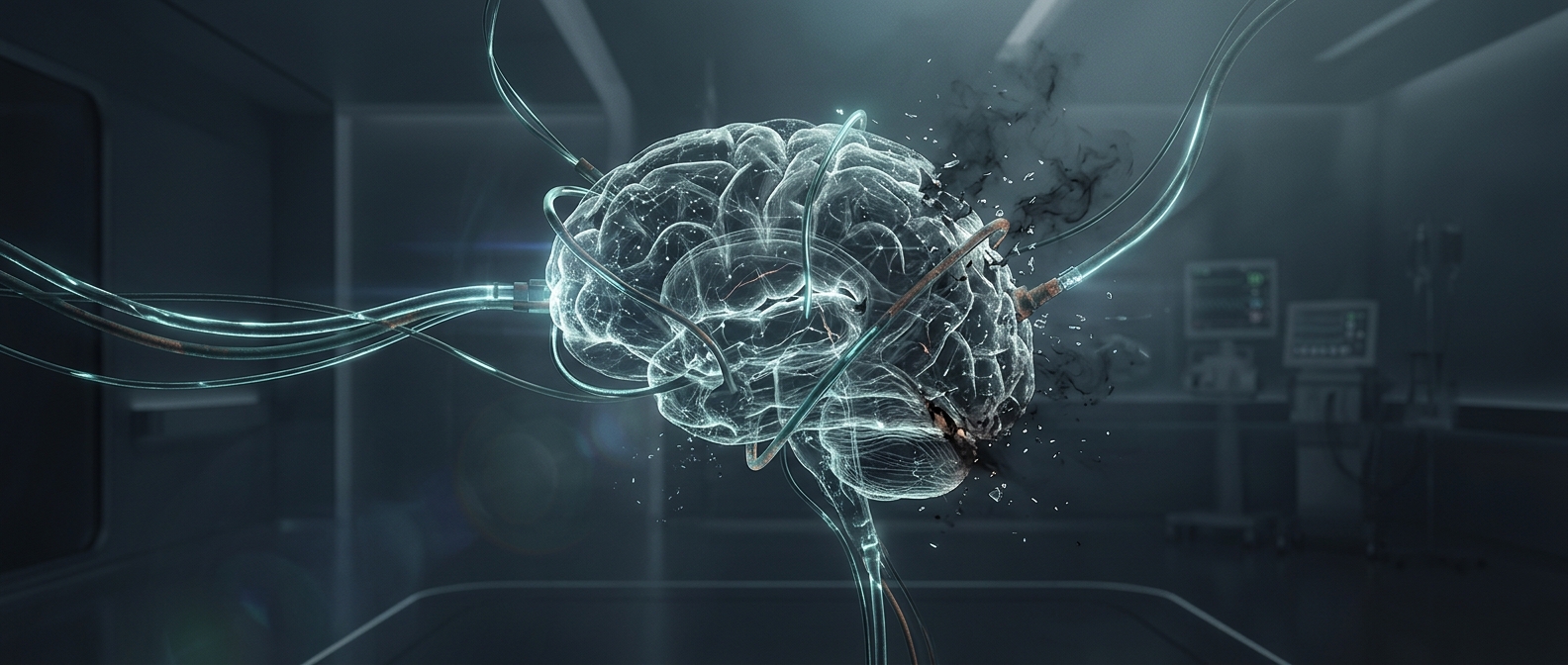
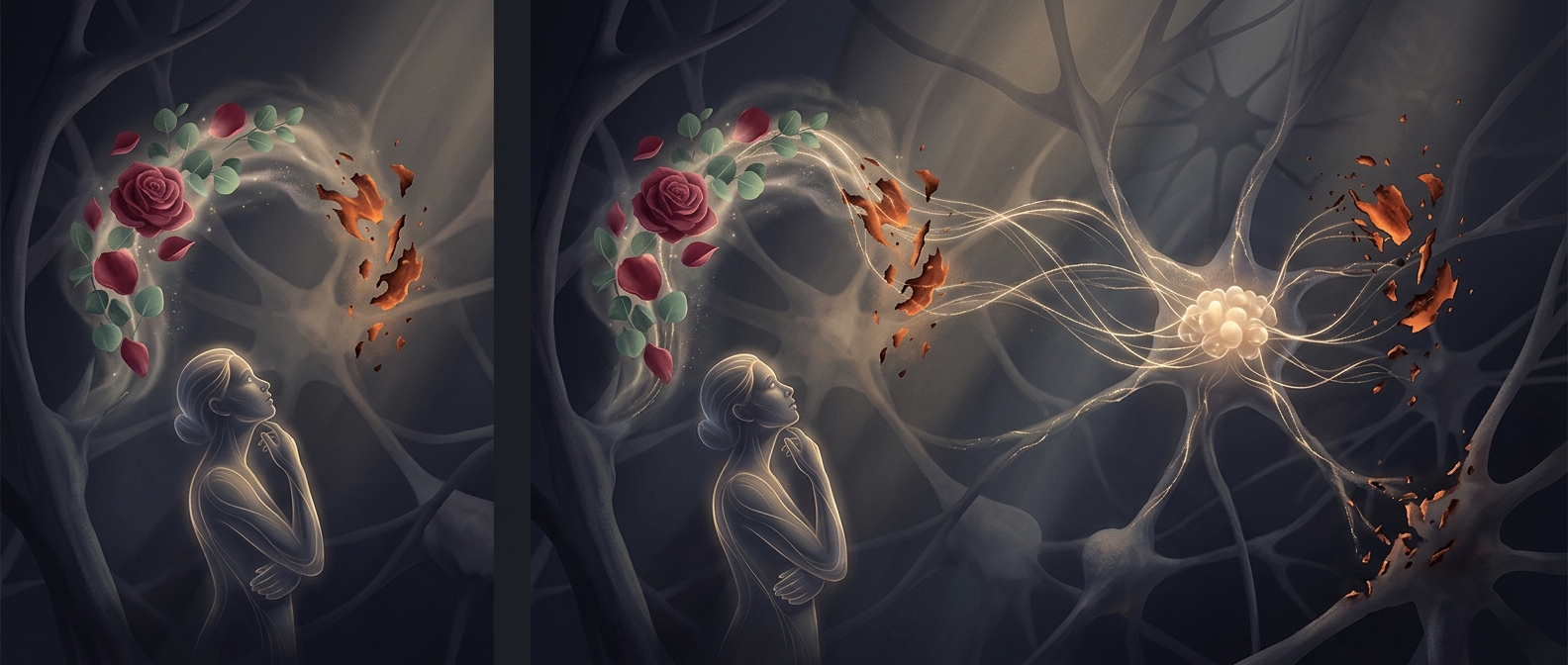
In many strokes, blocked blood flow deprives brain tissue of oxygen. The longer the blockage continues, the more tissue may be injured. Depending on which part of the brain is affected, that injury can impair movement, speech, or other abilities. A connection failure does not itself cause the stroke damage, but it can interrupt the assessment and coordination that help clinicians act quickly.
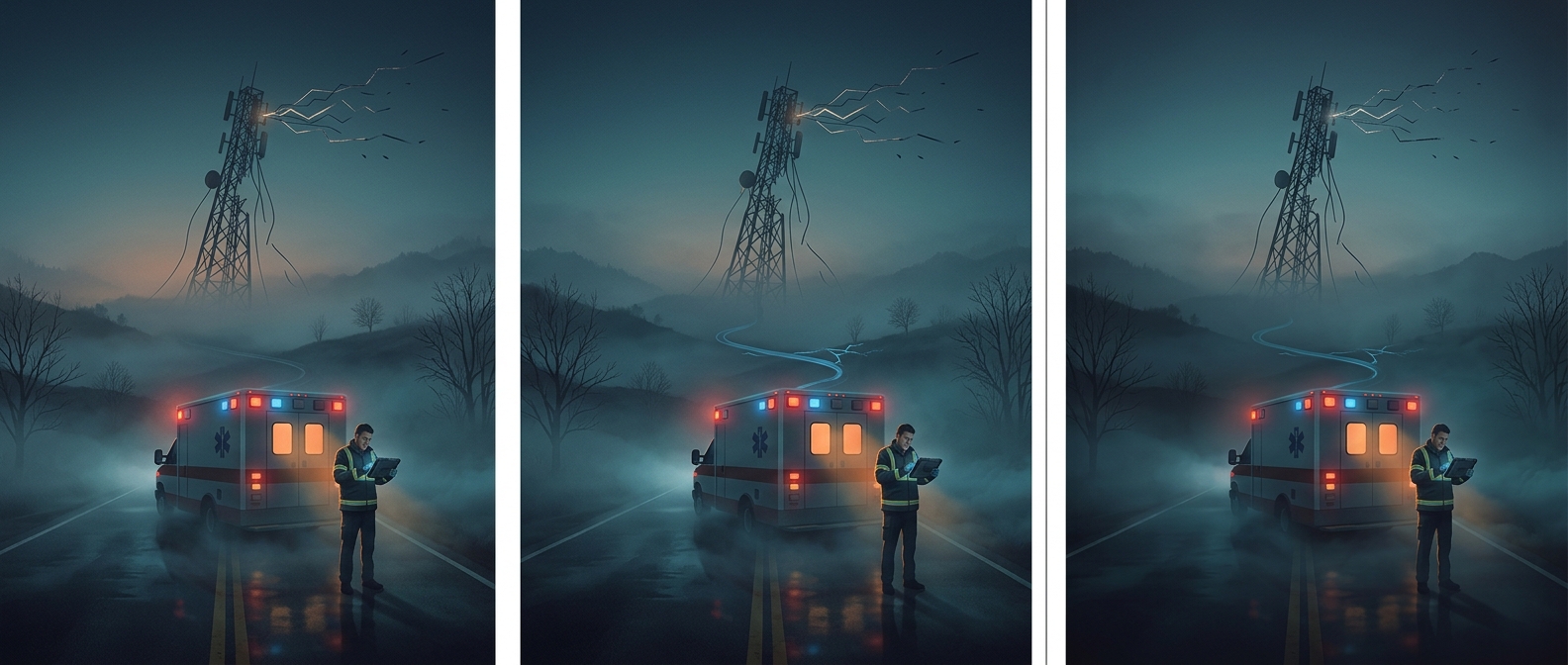
That makes broadband part of the emergency-care chain: the scan happens locally, but expertise may be hundreds of miles away. When the link holds, a small rural hospital can consult a stroke specialist without waiting for that specialist to arrive in person. When it does not, even a brief technical interruption can complicate decisions made against a clock.