How a physical event becomes a nerve message
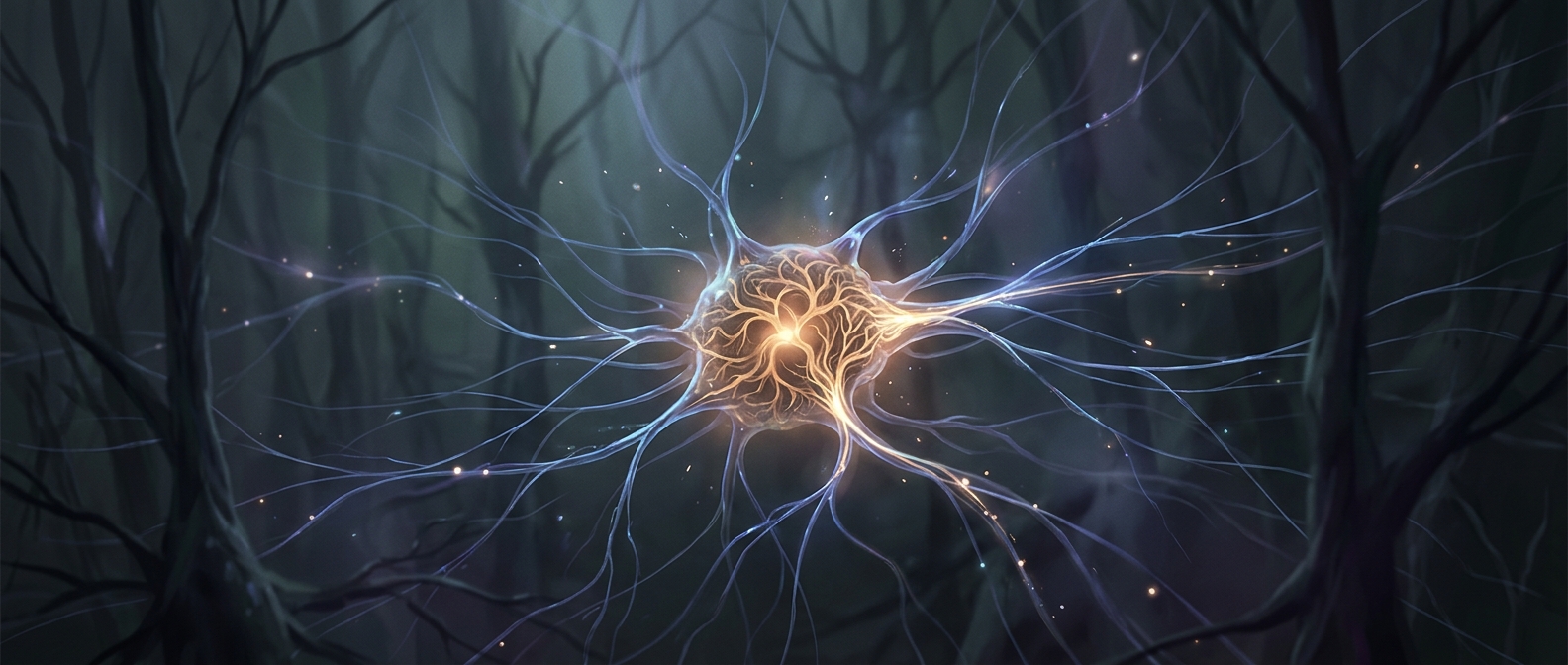
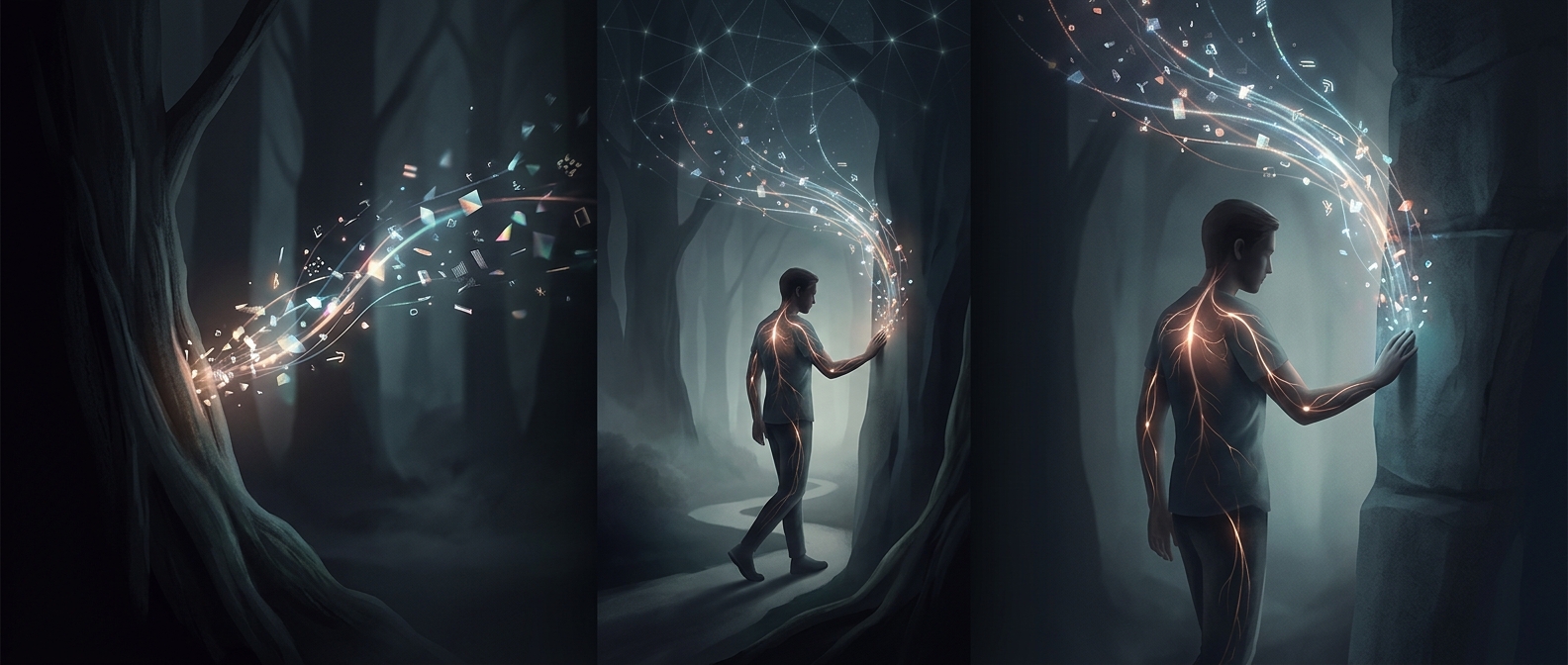
A sensory receptor is a cell—or a specialized ending of a nerve—that responds to a particular kind of energy. Light-sensitive cells in the retina respond to photons; touch receptors respond when pressure deforms their surrounding tissue. This conversion is called sensory transduction: the stimulus changes the receptor’s activity, which alters the electrical charge across its membrane.
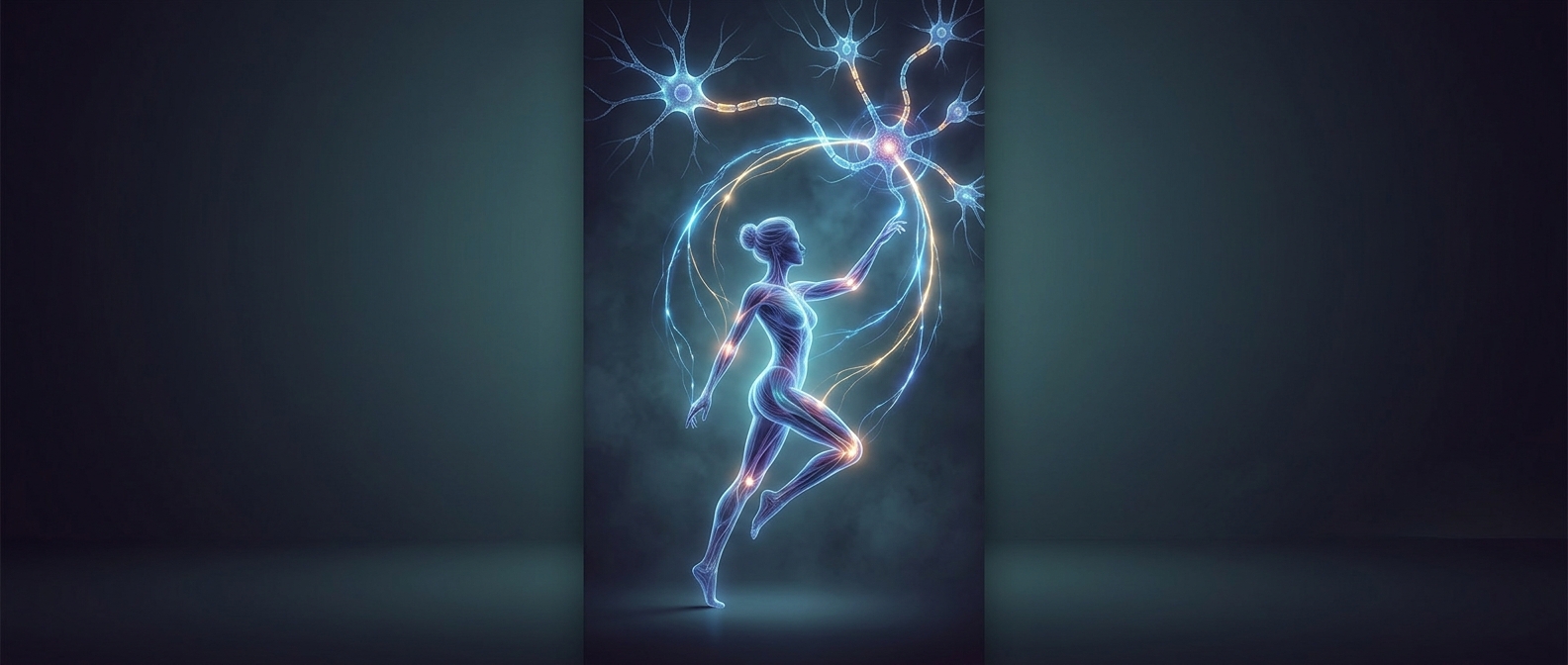
That change can trigger nerve impulses, brief electrical events that travel along a neuron. In some sensory pathways, the receptor itself produces the impulses. In others, it first releases chemical messengers that make a connected neuron fire. Either way, the physical event has been translated into a form the nervous system can carry.
The brain reads patterns, not a tiny picture
A nerve impulse is not a miniature image or a packet containing the feeling of a texture. The nervous system conveys information through patterns: which nerve fibers are active, how often they fire, and how their activity changes over time. Different receptor types and neural pathways are especially responsive to different kinds of input, helping the brain distinguish light from pressure or a sharp touch from a gradual one.
The brain combines those incoming patterns with activity from other pathways and with signals shaped by attention and context. Perception is the result of that processing—not a sensation sitting inside a single nerve. That is why the same general kind of signal can contribute to different experiences depending on where it travels and how the brain interprets it.
The conversion happens before conscious awareness: a receptor can begin responding to light or pressure while the message is still traveling toward the brain. What reaches awareness is the brain’s interpretation of that ongoing electrical traffic.