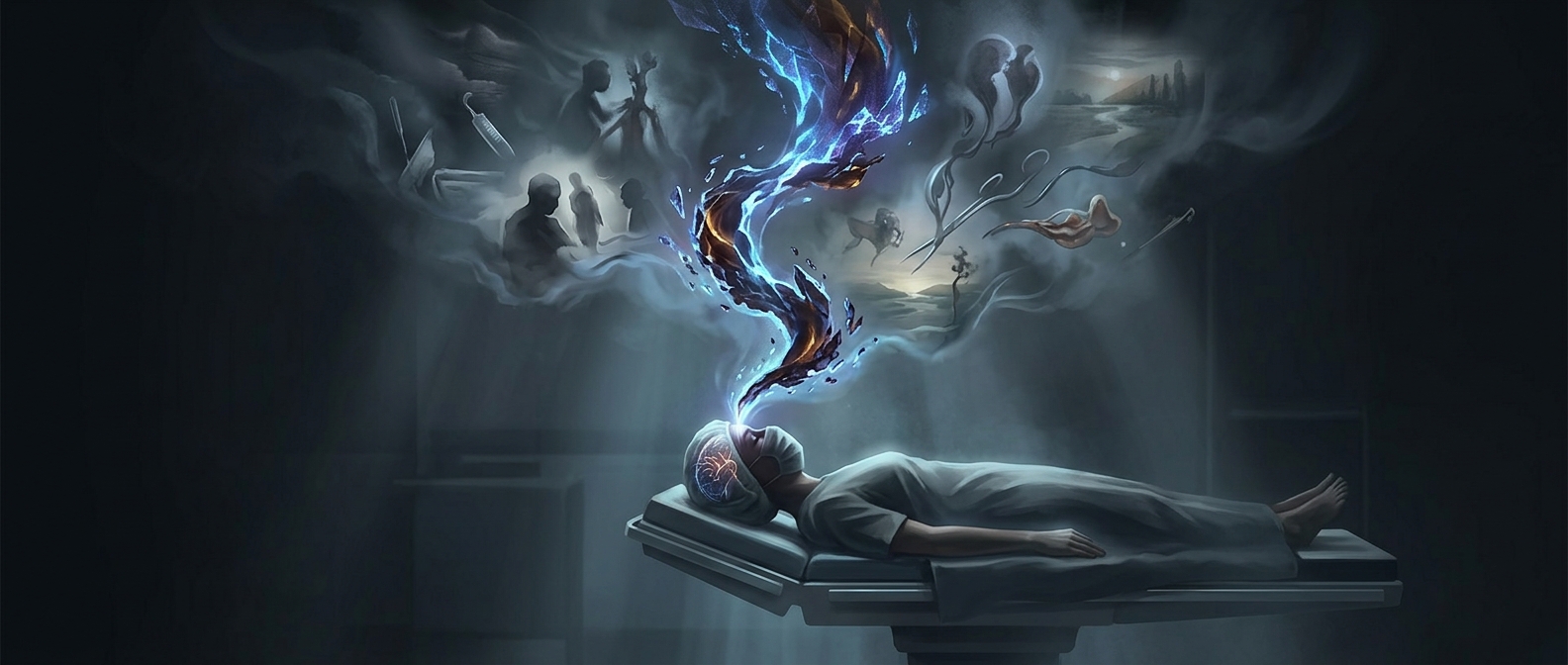
Why the brain can lose its bearings after surgery
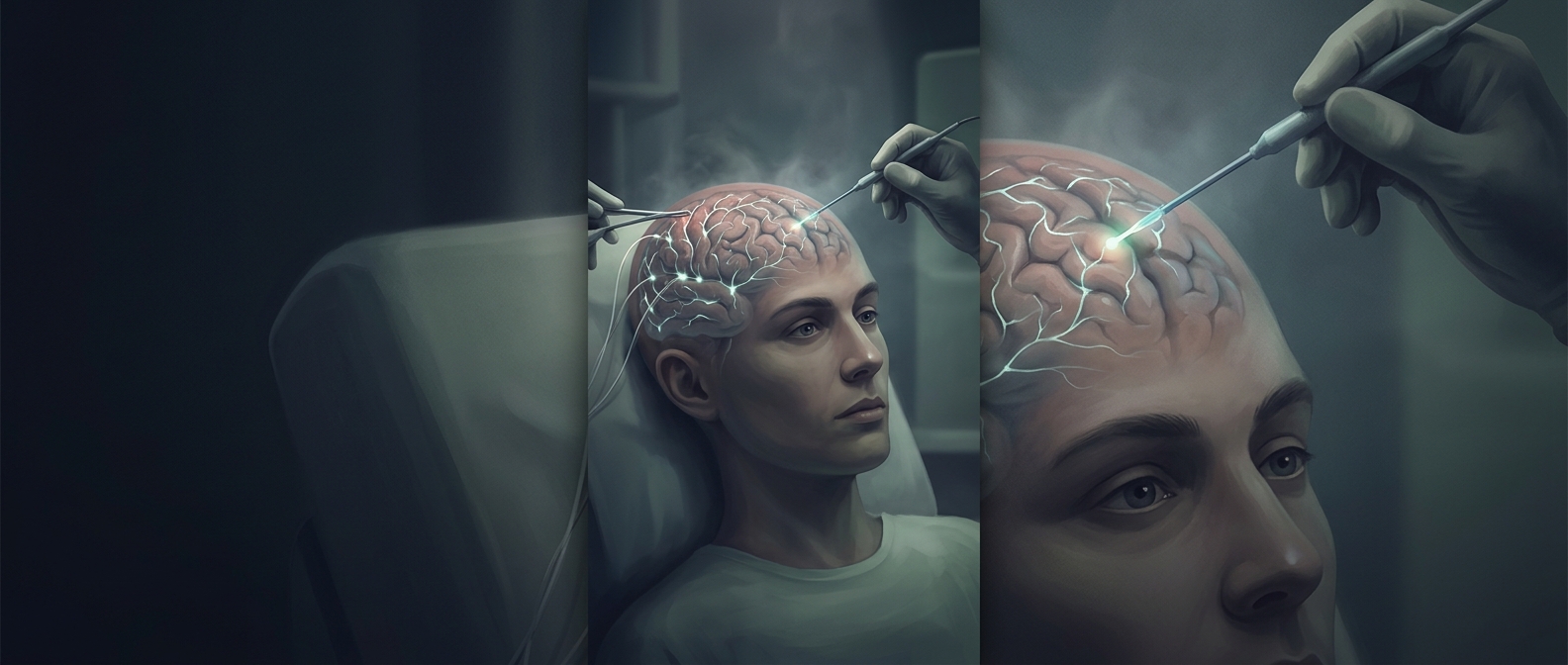
Hallucinations after an operation can be part of postoperative delirium, a sudden change in attention and awareness. A person may see or hear things that are not there, mistake a hospital room for somewhere unfamiliar, or struggle to follow a conversation. The experience is real to the patient, even though the brain is misinterpreting its surroundings.
Attention is the key
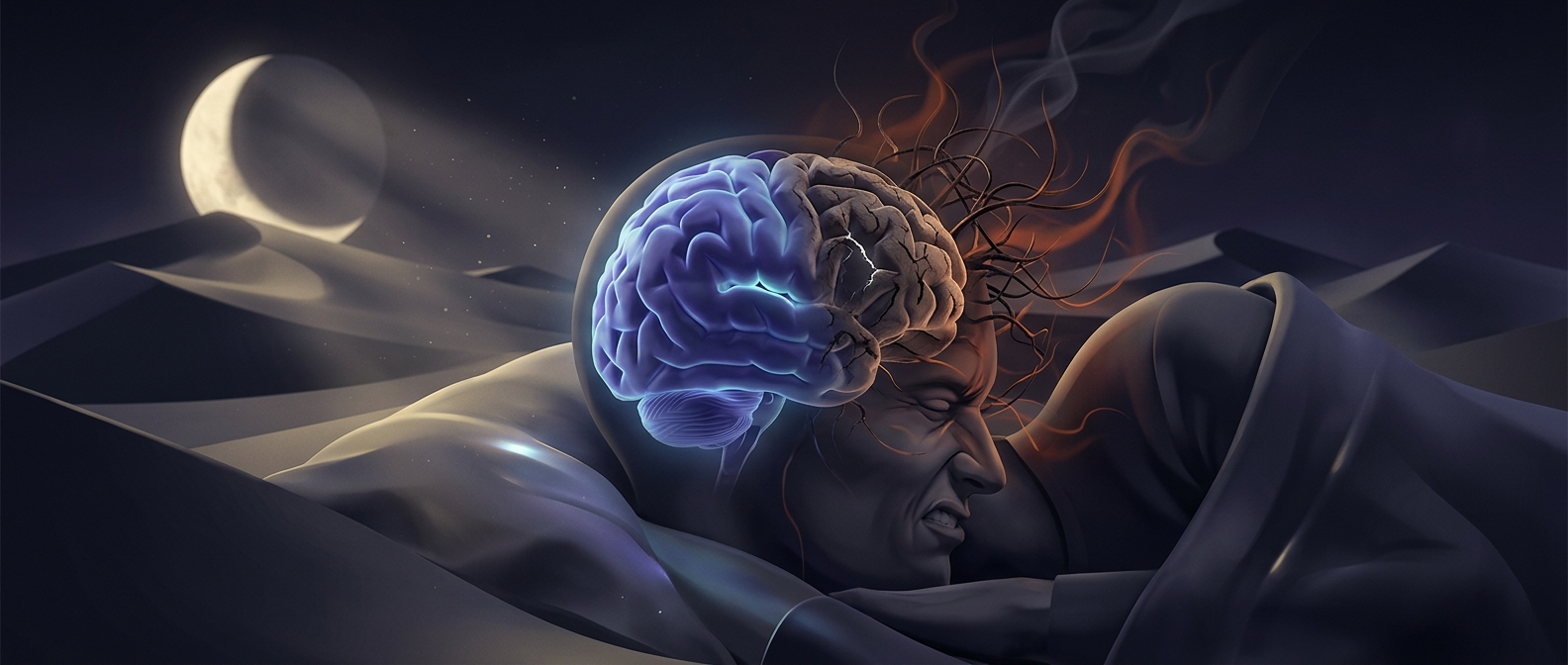
To make sense of a room, the brain has to keep attention steady: notice a face, connect it with memory, and filter out background noise. Delirium disrupts that process. A patient might be awake but unable to hold onto a thought or reliably distinguish what is happening from a dreamlike impression. Symptoms can come and go, so someone may seem clear at one moment and confused the next.
Surgery can set off this disruption because it places several demands on the body at once. The stress of the operation, anesthesia and recovery, pain, and changes in sleep or medication can all affect how the brain functions. In older adults, the brain may be less able to absorb those temporary stresses, making delirium more likely. It is not simply ordinary grogginess or a sign that the person is imagining things deliberately.
Why the change matters
Because delirium can resemble a psychiatric problem or be mistaken for normal recovery, a sudden change in attention or behavior is worth telling the care team about. Recognizing the pattern helps clinicians look for contributing problems and support the patient while the brain regains its footing. The unsettling visions may be temporary, but they can make a familiar hospital bed feel like a place the patient has never seen before.