Why Hallerbos blooms before the forest wakes
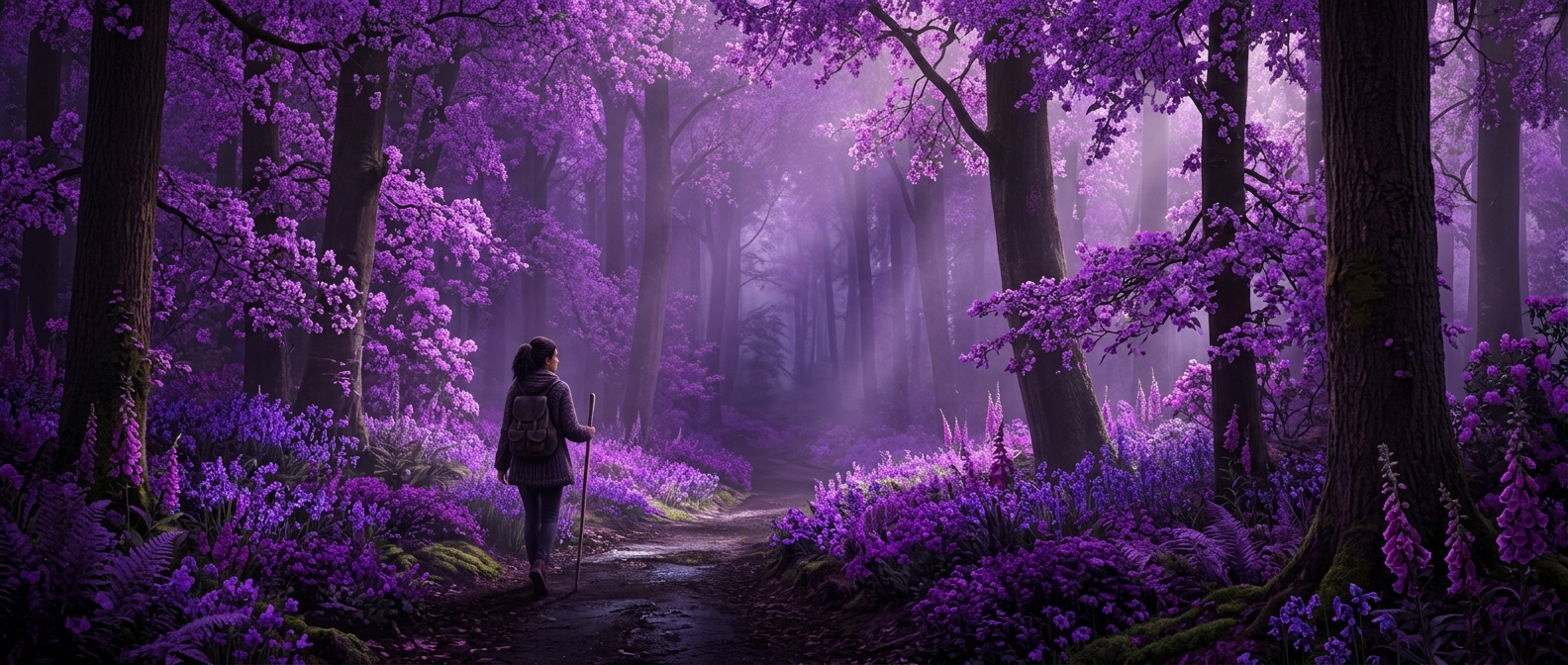
The blue carpet is a brief seasonal window, timed to the trees overhead. In early spring, before beech branches fill with leaves, sunlight reaches the forest floor. Bluebells use that light to grow, flower and recharge their underground bulbs. Once the canopy closes, the woodland becomes much shadier, and the flowers’ above-ground season is over.
That timing helps explain why the display can seem to arrive all at once: many plants in the same woodland respond to the same shift in light and temperature. The flowers form a continuous-looking carpet, though each grows from its own bulb among the trees.
A living floor, not a floral carpet
The view is striking, but the bluebells are part of a woodland habitat, not a planted show. Their bulbs and leaves occupy the same ground visitors come to see. Walking through the flowers can crush plants and disturb the soil, so marked paths let people experience the bloom while leaving the forest floor intact.
Hallerbos’s spring spectacle is therefore also a lesson in timing: the forest is brightest at ground level just before the trees claim the light. Miss that narrow interval, and the bluebells give way to a much darker summer woodland.