The Camera Sees an Audience, Not an Empty Chair
Awards shows are staged for two audiences at once: the people in the room and the viewers at home. A camera sweeping across the crowd can make an unoccupied seat look like a production mistake, especially during a reaction shot or a wide view of the theater. Seat fillers help keep those shots looking continuous when invited guests step away.
The need arises because a live event does not pause for the room to settle. Guests may leave for the restroom, move backstage, or go to the stage to accept an award. Their seats can become vacant just as cameras turn toward that section. A filler can take the place temporarily, preserving the packed-house image without changing the show’s schedule.
The Job Is to Blend In
A seat filler is not there to join the ceremony as a guest. The role is to occupy an available place briefly and move when the seat’s regular occupant returns or production staff need the space. That requires following directions and avoiding anything that could draw the camera’s attention.
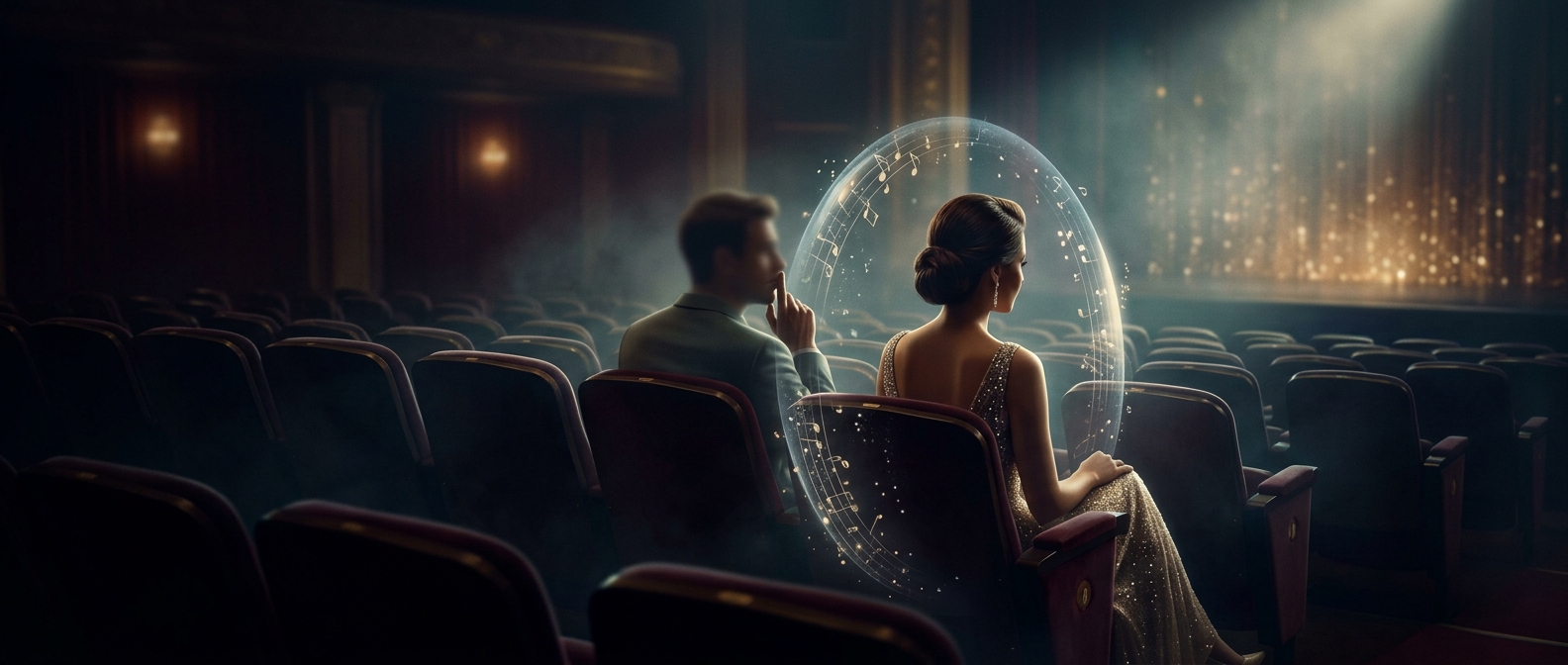
The no-conversation, no-eye-contact rule protects the boundary between filling a seat and intruding on the people around it. A star may be listening for a cue, watching the stage, or having a private exchange; an unexpected interaction could distract them or become the moment a camera catches. The ideal filler is visible enough to close a gap in the crowd, but forgettable enough that nobody notices the substitution.