Why a mokoro follows the water’s narrow paths
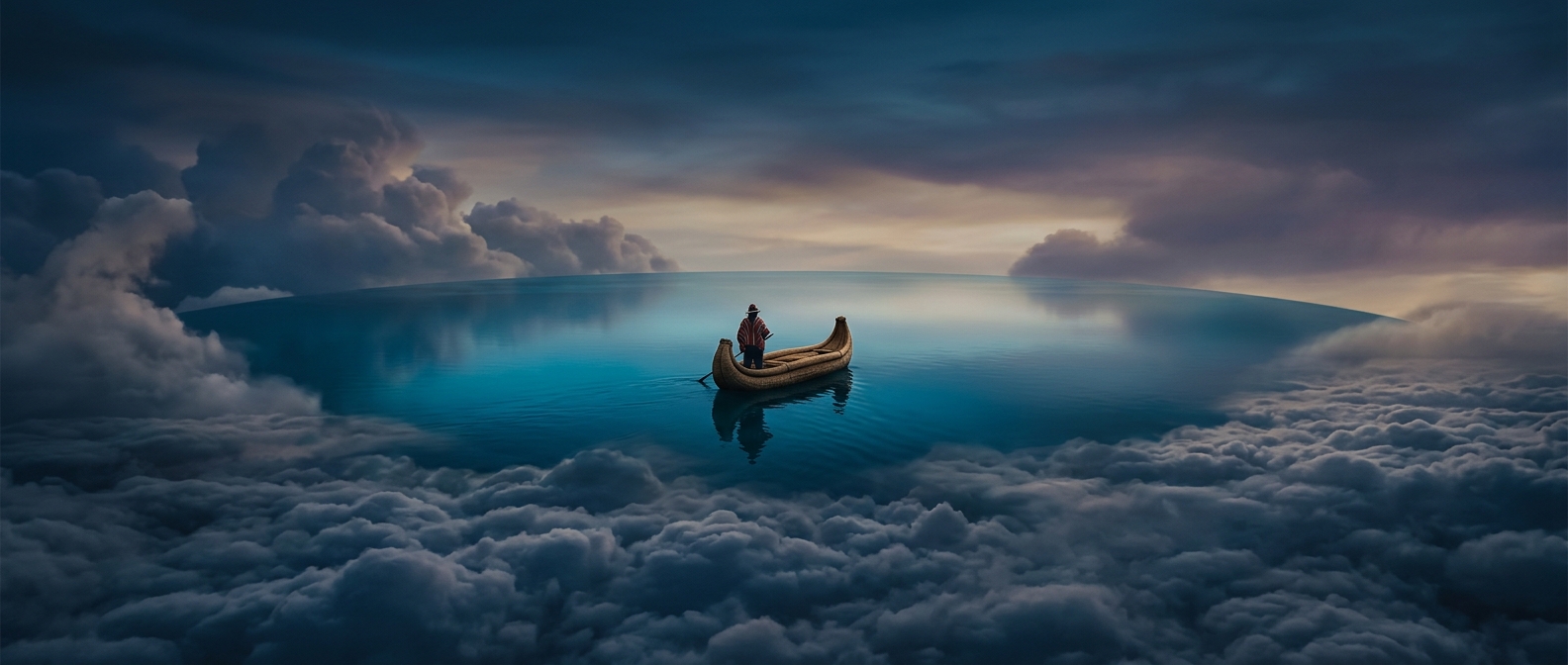
The Okavango does not flow to the sea. Its water spreads into the Kalahari, where seasonal flooding turns dry land into a shifting maze of channels, reed beds, and islands. A mokoro—a narrow canoe traditionally carved from a tree trunk—can slip through shallow passages that would be difficult for a larger craft to use.
A poler stands at the stern and pushes against the bottom with a long pole. That simple propulsion suits the shallow water, but it also leaves the boat exposed: there is no engine noise, hull, or quick burst of speed between passengers and the surrounding water.
Quiet brings wildlife—and a different kind of risk
Without a motor, a mokoro can move quietly enough for travelers to notice small details, such as birds along the reeds. But silence is not the same as invisibility. Hippos spend much of their time in water, and they can become dangerous when they feel threatened or when a boat gets between them and an open route. Their size and submerged position can make them hard to judge from a low canoe.
That changes how a ride is managed. The poler reads the channel and keeps watch, rather than treating the trip as a straight scenic passage. Travelers are close to the water by design, but the route depends on local judgment about where it is safe to go. The mokoro’s intimacy with the Delta is also its tradeoff: the reeds feel near because the boat has little to separate you from them.