How a Quiet Car Keeps the Volume Down
A quiet car works less like a soundproof room than a shared agreement. The train still rattles, doors still open, and passengers still move around; what changes is the expectation that people avoid adding unnecessary noise. That distinction matters: “quiet” usually means restrained, not literally silent.
The Social Rule Is the Main Enforcement
In a crowded carriage, one phone call can carry farther than its speaker expects. Without a separate quiet area, nearby riders may have little choice but to endure it. A designated quiet car gives people who want a calmer trip somewhere to sit—and makes the expectation easier to recognize.
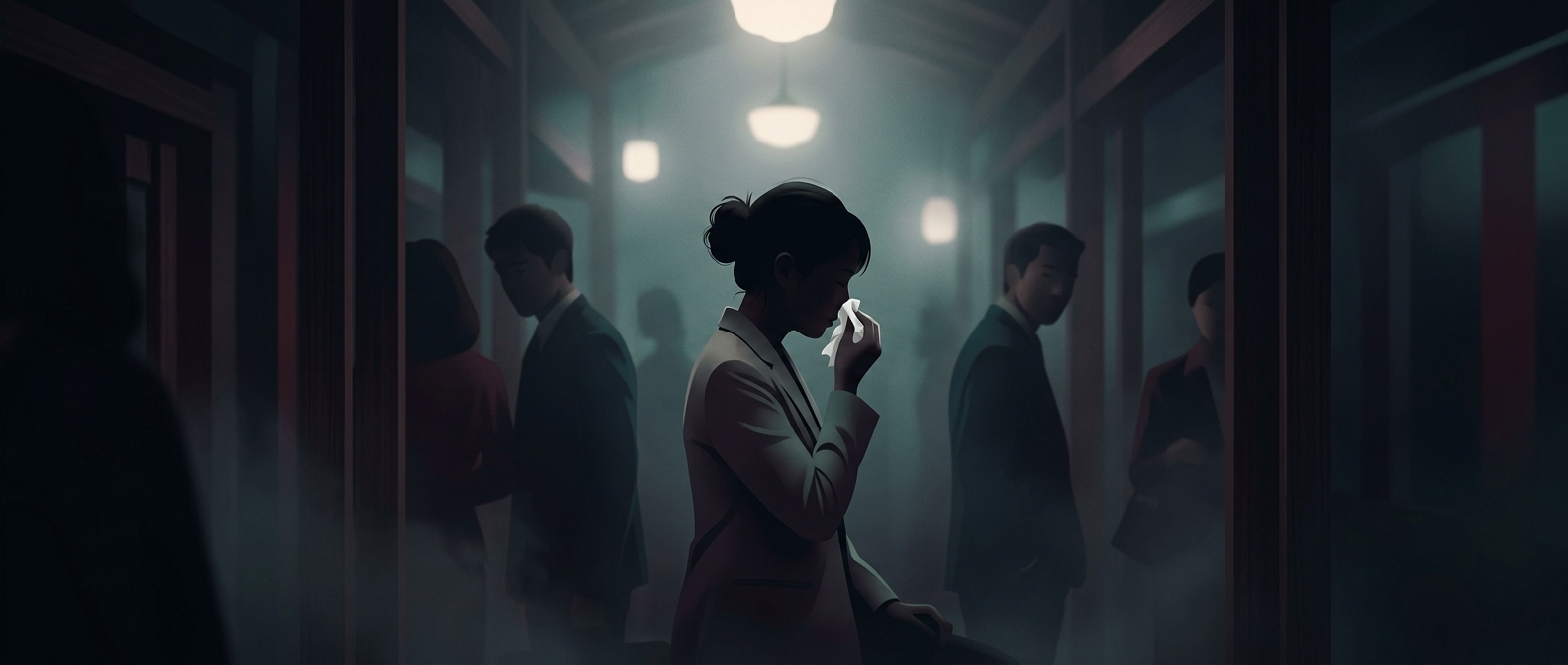
Most of the pressure is immediate and social. A glance from another passenger can signal that a conversation or loud audio is out of place. That informal response often works because the request is simple and visible: keep noise low while sharing a confined space. The exact rules and staff response can vary by train service, so a quiet car should not be assumed to guarantee silence.
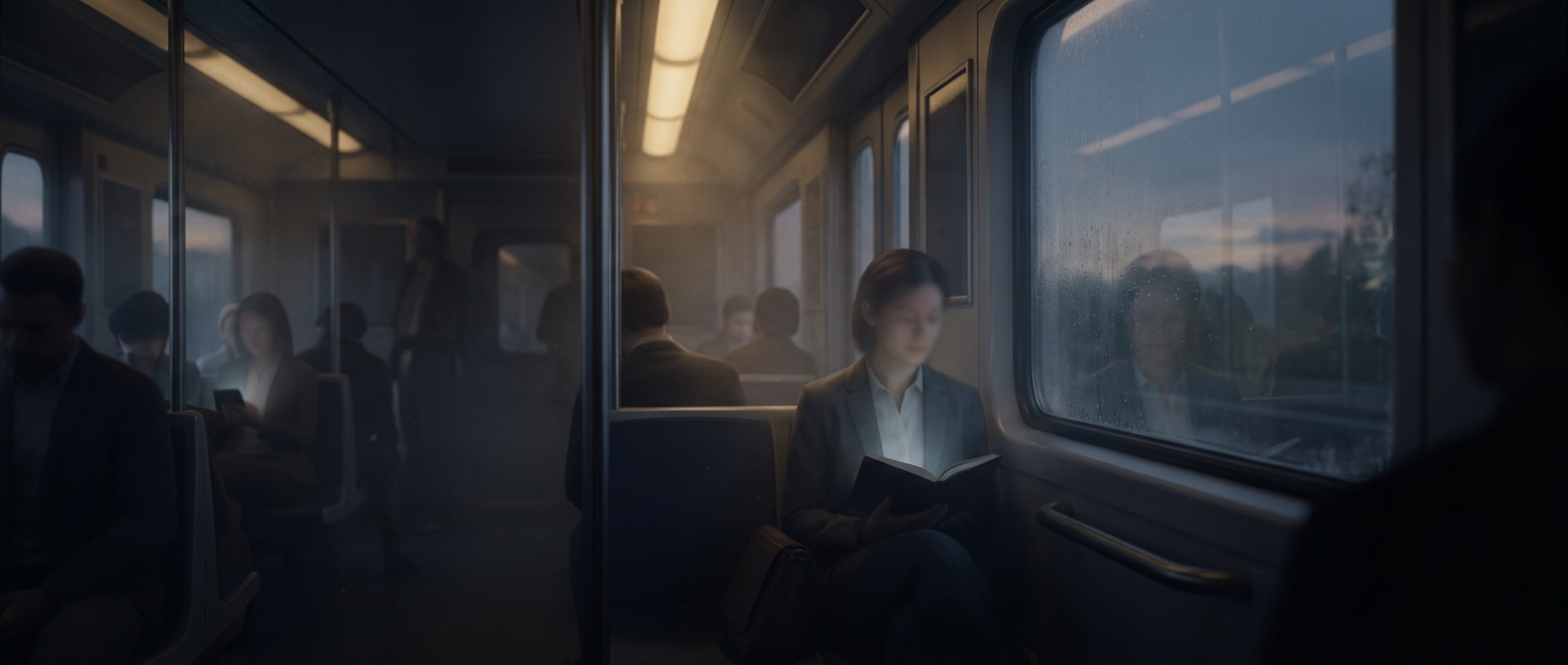
The tradeoff is that the car depends on many strangers interpreting the norm similarly. When they do, ordinary sounds fade into the background and the ride feels calmer; when one person treats the space like any other carriage, the contrast makes the disruption especially noticeable.