How Tele-Snaps kept a visual trace of vanished television
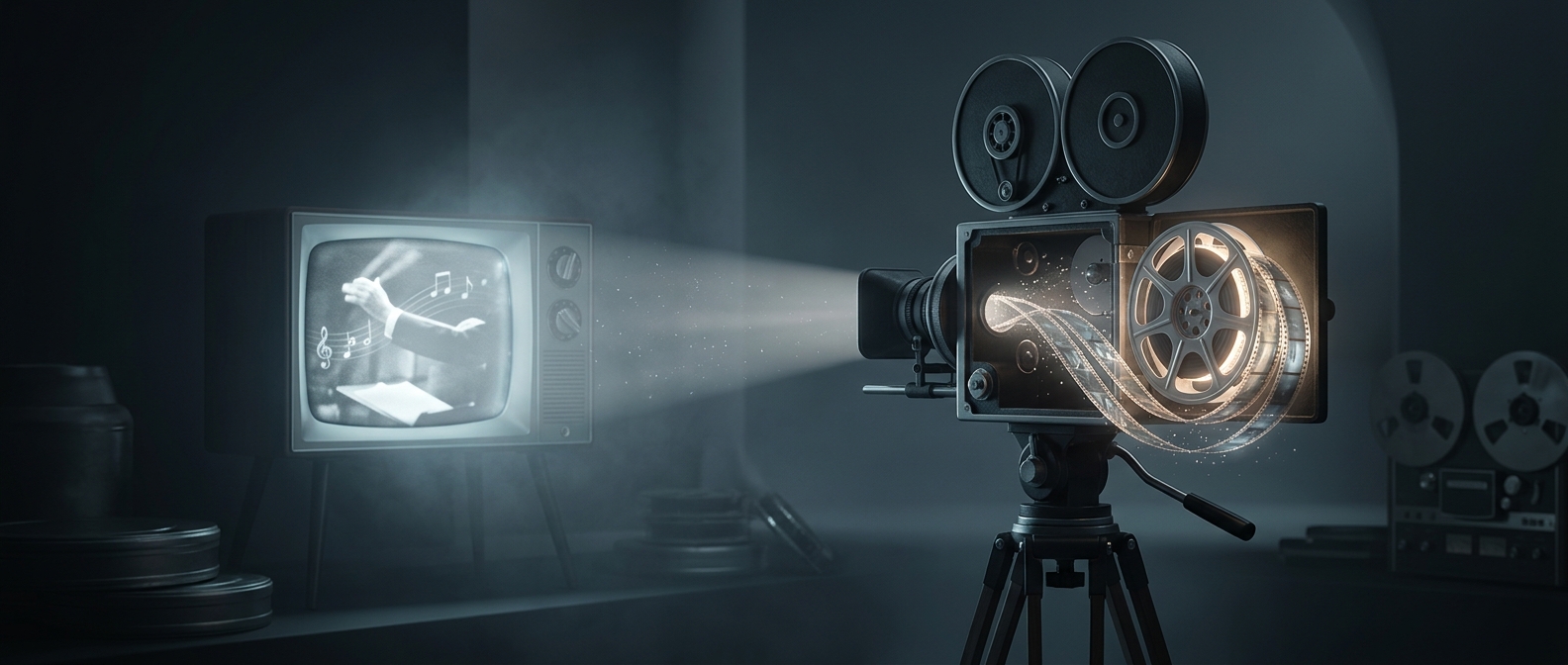
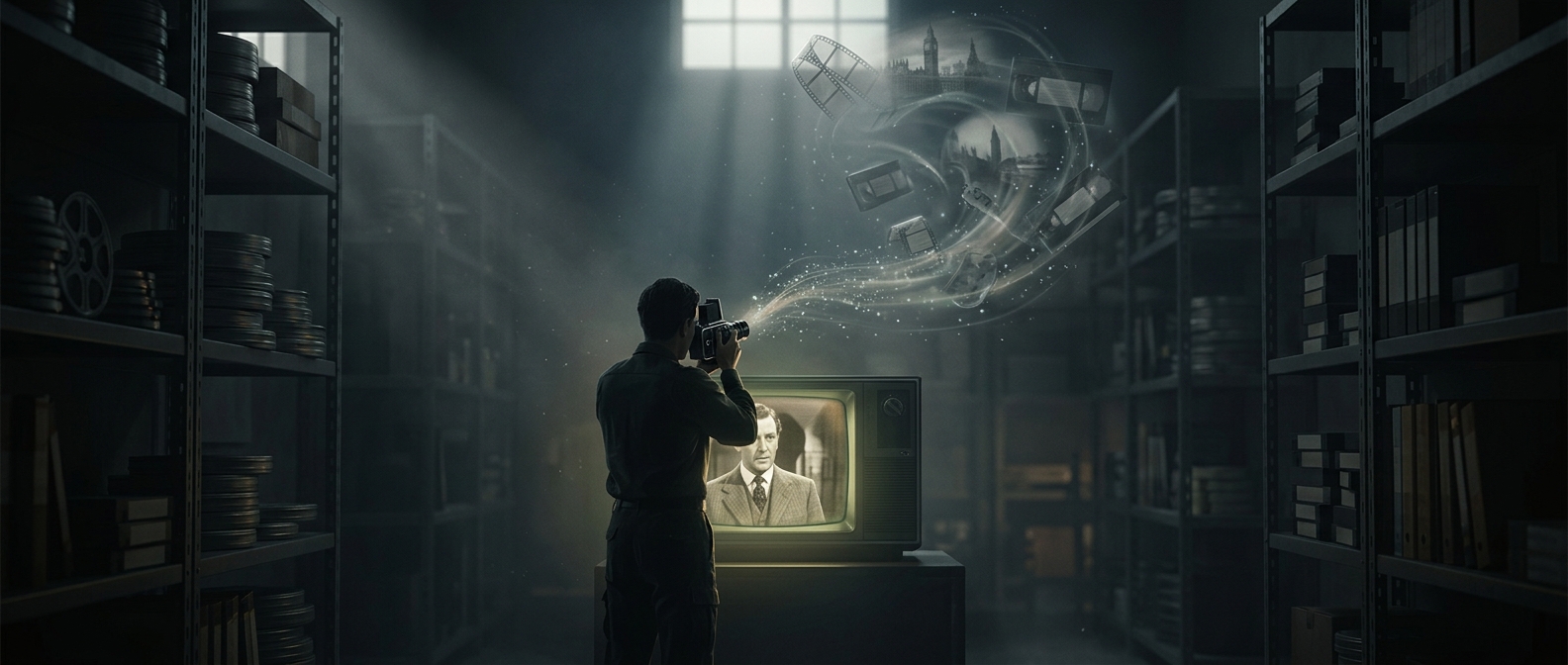
A photograph of a television screen could not replace an episode, but it could preserve clues that a tape no longer held. John Cura made these images while programs were being broadcast, creating a sequence of stills from a moving production. Actors and directors could use them to remember how a scene had been staged or how a character had appeared.
That practical record later took on a different role. When the BBC erased many broadcast tapes to save money, some programs could no longer be watched in their original form. Cura’s photographs survived outside the broadcast archive, giving researchers and audiences a way to see portions of episodes that had otherwise disappeared.
What a still image can—and cannot—save
A Tele-Snap can show who was on screen, where performers stood, what they wore, and how a set was arranged. A series of images may also suggest how a scene unfolded. These details can help reconstruct the look and staging of a production, especially when paired with scripts or other records.
But the photographs are not the program itself. They cannot preserve movement, dialogue, music, or the timing that gives television its rhythm. Their value lies in something narrower and still remarkable: they keep visual evidence of productions whose moving images were lost. A surviving still can turn an episode from a title in a catalogue into a glimpse of an actual scene.