Why One Word Stops a Bingo Game
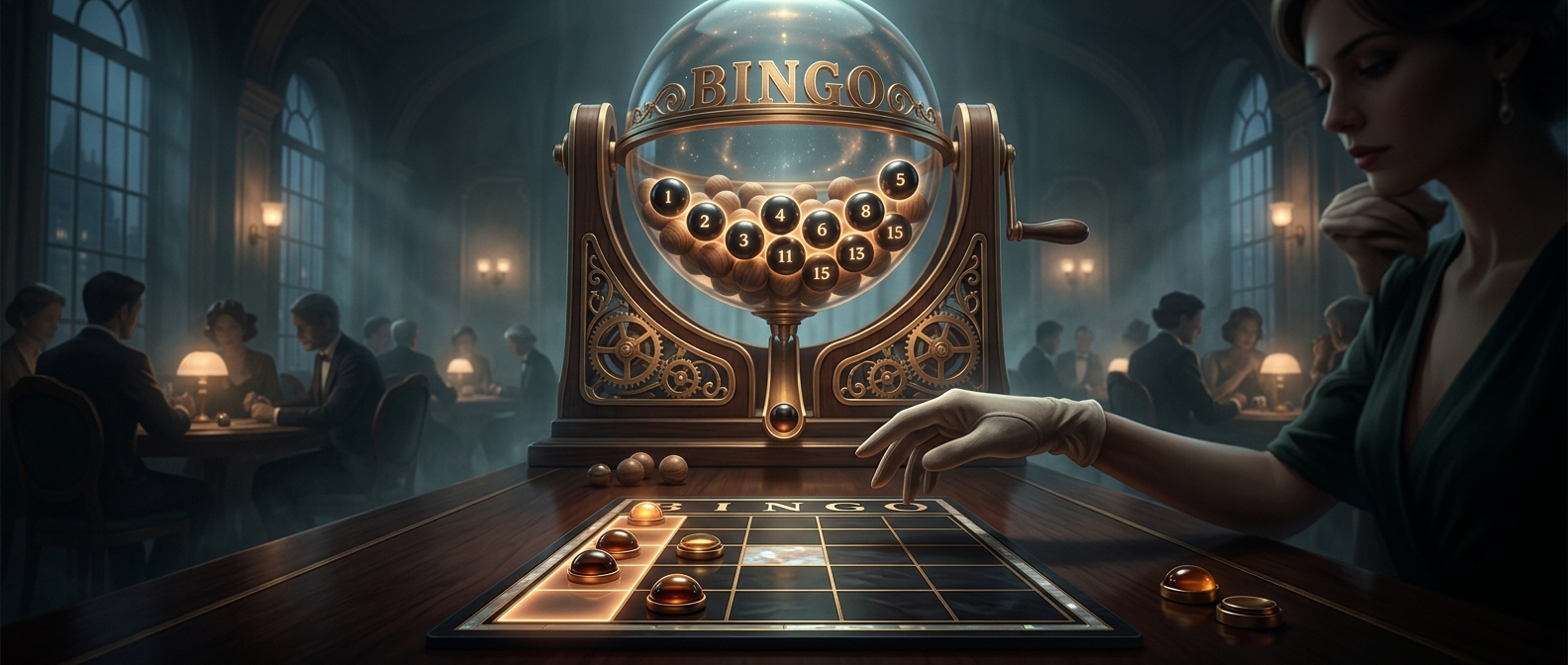
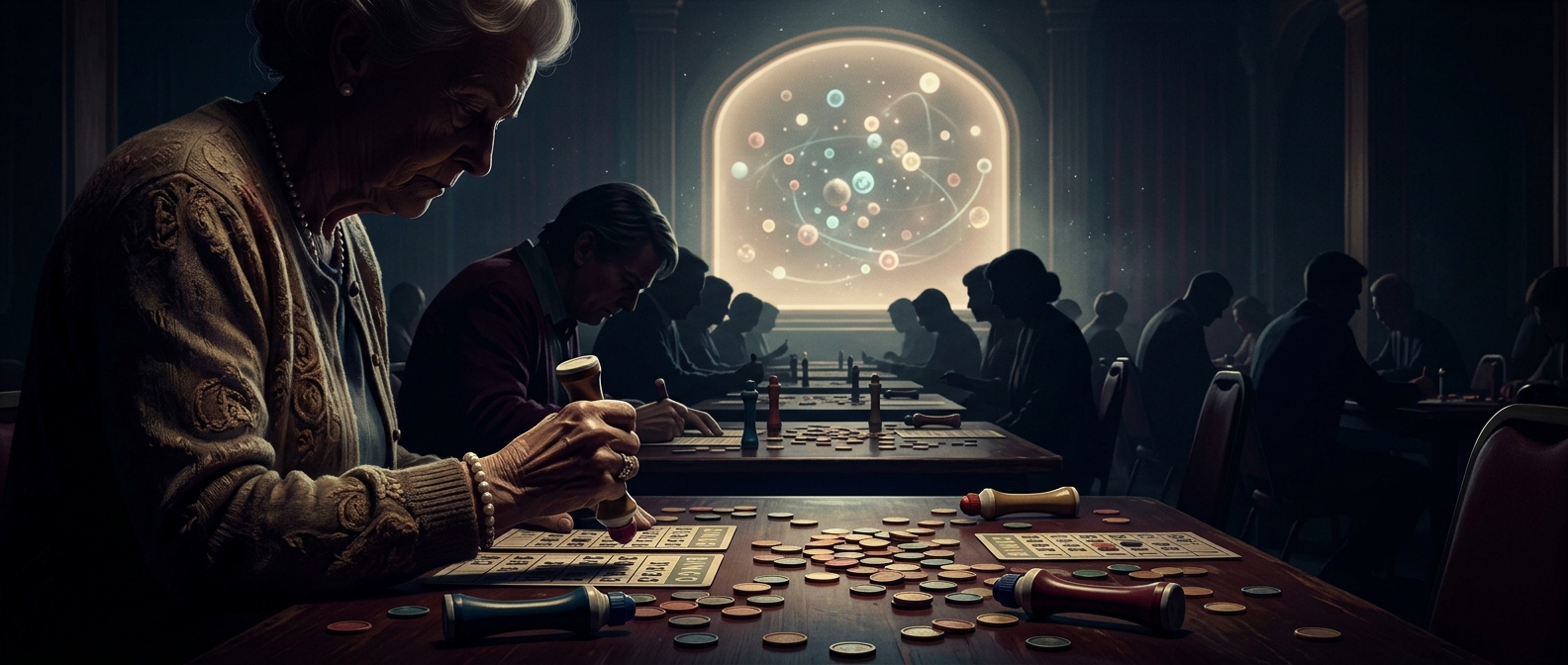
Bingo turns a sequence of random calls into a race against a pattern. Players listen for each number and use an ink dauber—a short-handled stamp that leaves a bold mark—to cover matching squares. The caller keeps the pace moving, while each player tracks a separate card and tries to complete the pattern required for that round.
That pattern might be a line, a particular shape, or a filled card; the goal depends on the game being played. Because one call can complete a pattern on several cards at once, players have to notice the match and claim it promptly. A shouted “Bingo!” signals that the caller should pause so the card can be checked.
The pause is part of the game
A claim is not confirmed just because someone calls out. The marked card must match the numbers already called and the round’s winning pattern. If it does, play ends and the winner is recognized; if not, the game continues. That check matters in a room where many players may be marking cards at the same time.
The dauber makes each match quick to mark and easy to see later, but it cannot decide whether a card is complete. Players still have to follow the calls, keep their place, and catch the exact moment the pattern closes. The game’s suspense comes from that small gap between seeing the final match and being sure enough to claim it.