Why a Few Words Can Disrupt a Bingo Game
Bingo sounds simple: listen for a number, find it on a card, mark it, and repeat. But players have to do that sequence quickly while several numbers may be waiting to be checked. A brief burst of conversation can cover the caller’s voice at exactly the wrong moment, leaving someone unsure whether the number was called—or which number it was.
That uncertainty matters because a player who misses a call may fail to mark a winning card. Unlike a game where a move can be reviewed at leisure, a live bingo round keeps moving. Players are listening, scanning their cards, and watching for the pattern needed to win, so even a cough can compete with the caller’s next announcement.
The Quiet Is Part of the Game
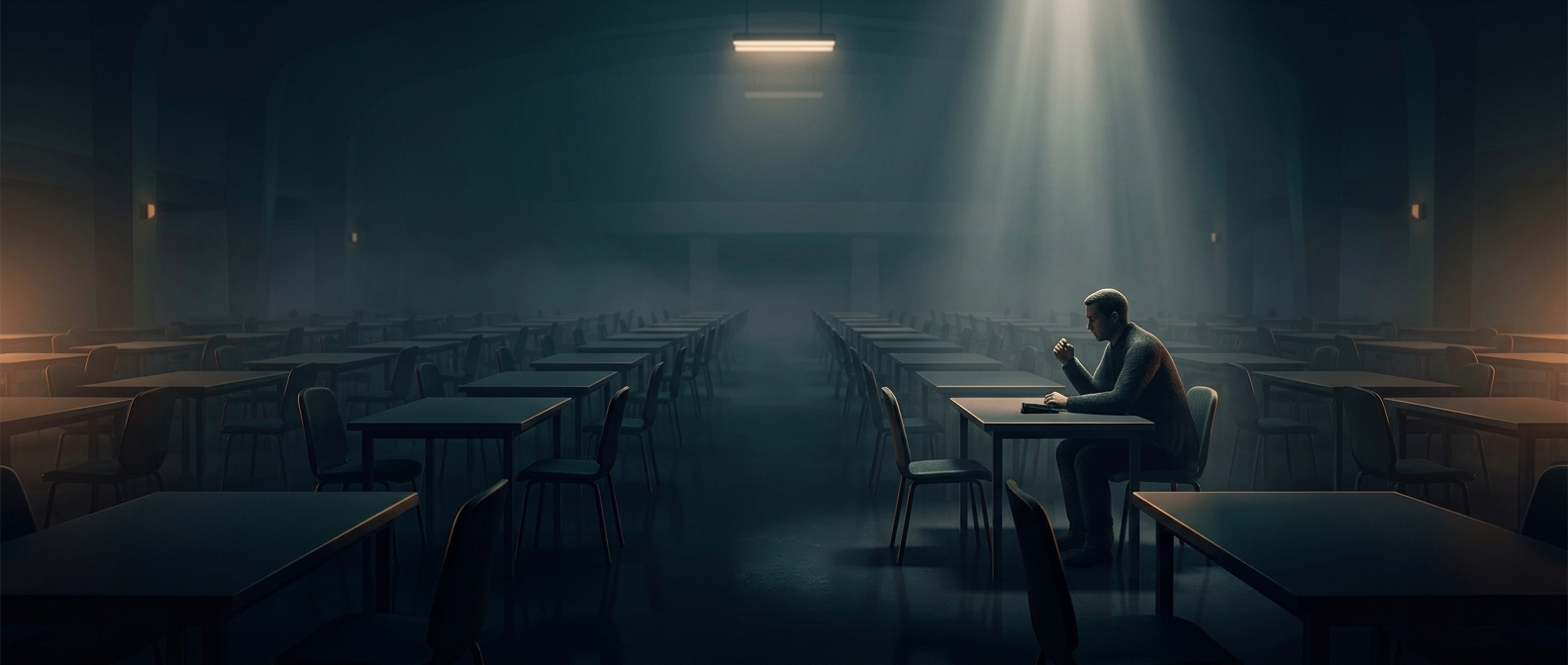
Bingo halls may be social places, but the game creates a particular rhythm: conversation fits more naturally before or after a round than during the calls. Once play begins, quiet helps everyone hear the same information at the same time. A sharp shush is less about rejecting company than protecting that shared channel.
The tension is easy to understand: a player can be surrounded by people and still need near-total silence for a few seconds. In bingo, missing one spoken number can be the difference between marking a card correctly and watching the round pass by.