Why a Number Call Can Hold a Room
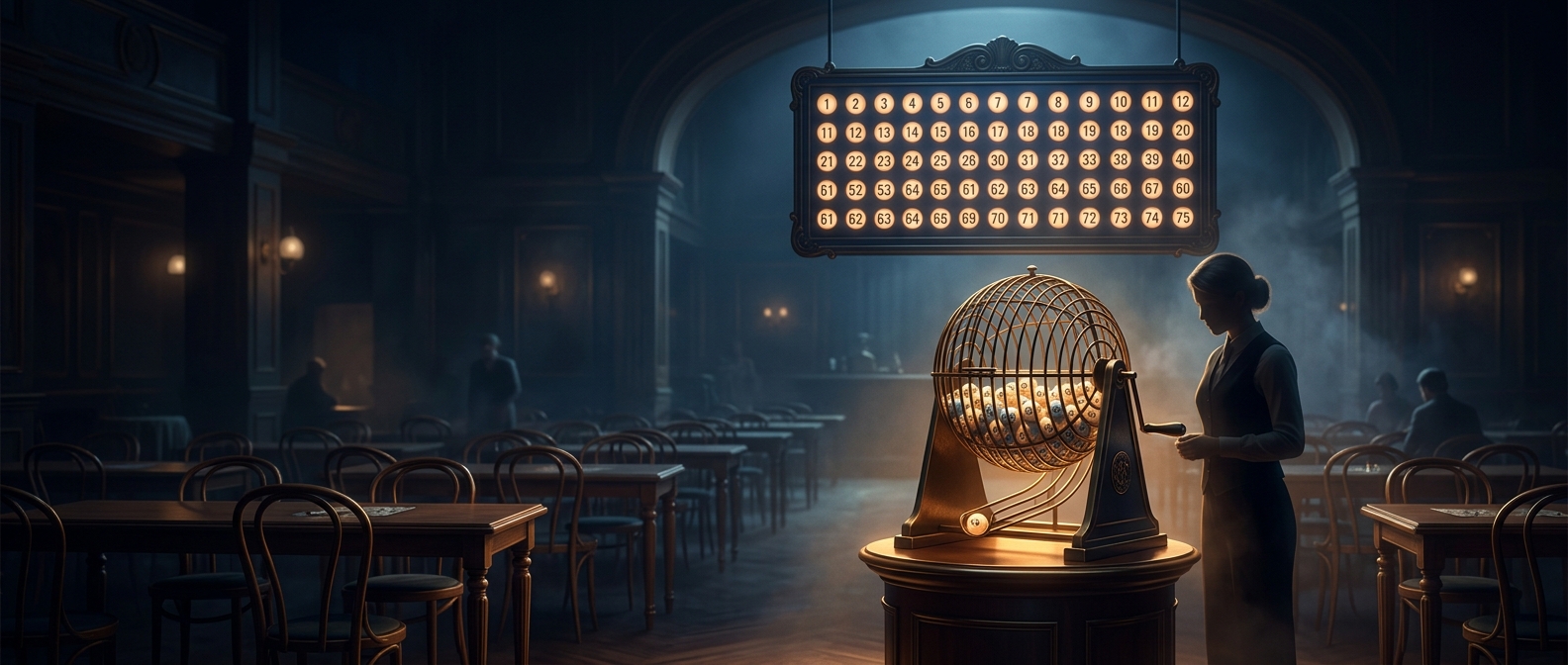
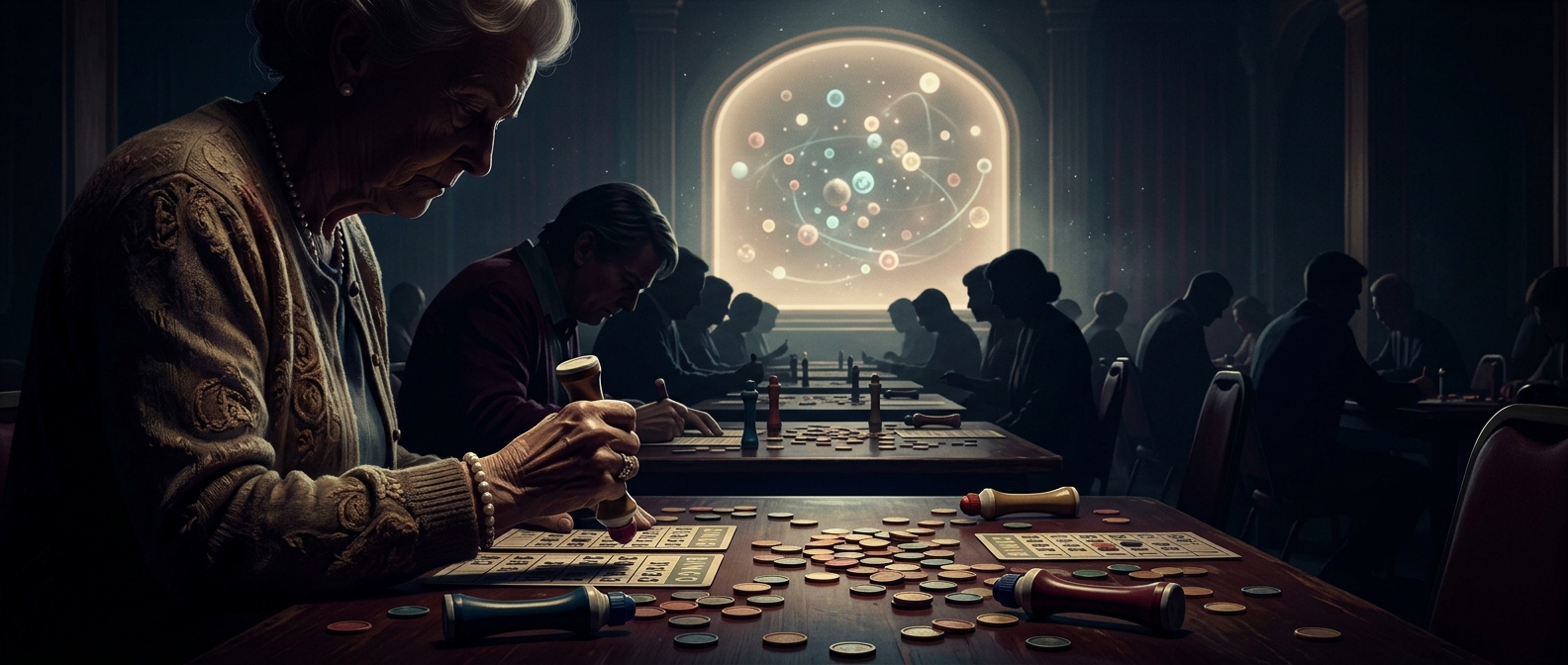
The suspense comes from a simple mismatch: everyone is listening to the same caller, but each player has a different grid. A number announced across the room may complete one person’s pattern while doing nothing for the person beside them. Players scan their own squares, stamp a match, and wait for the next call.
That makes the game both communal and intensely personal. The room follows one sequence, yet every new number changes each player’s chances in a different way. Silence is useful: it helps players catch the call and check their grids without missing what comes next.
A Race Built on Small Decisions
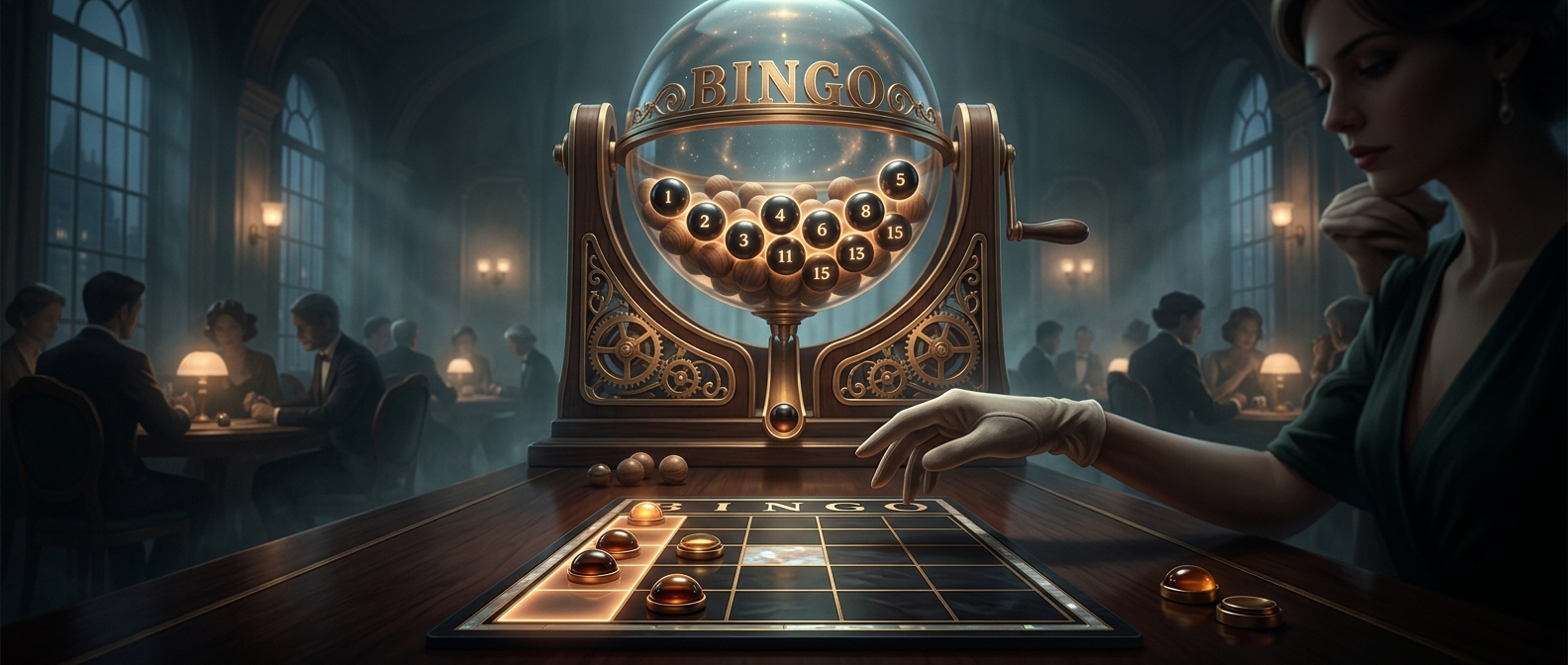
The caller controls the pace, but players must keep up. Hear a number, find it on the grid, mark it accurately, then look back up in time for the next one. As a possible winning pattern comes closer, that routine becomes harder to do calmly. A missed call or an uncertain mark can matter, so concentration rises even when the action is only a number being read aloud.
The finish is also public. A player who believes a pattern is complete has to claim it, and the result can be checked against the calls. Until then, everyone else is left wondering whether the decisive number has already appeared—or is still coming. That shared uncertainty is what can make a quiet room feel like it is watching a final play.