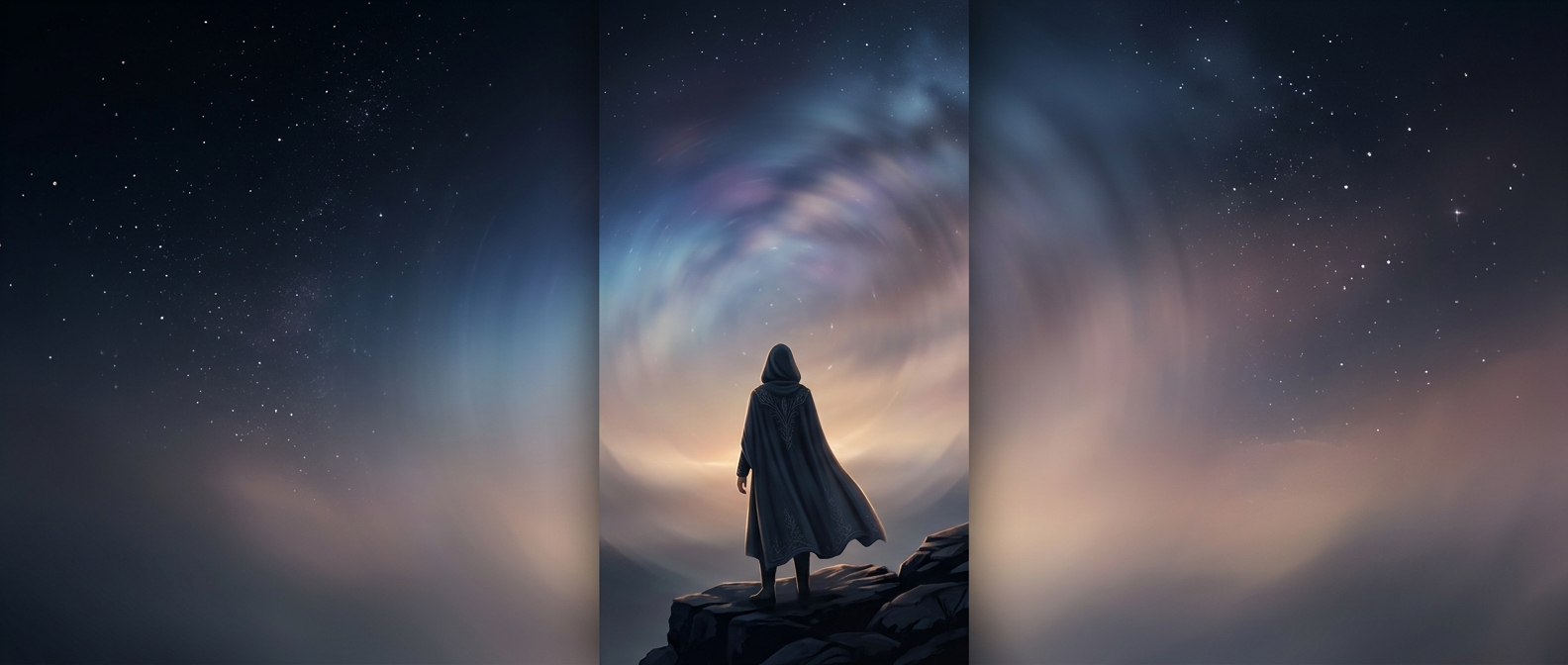
When the Sky Becomes a Focus for Reflection
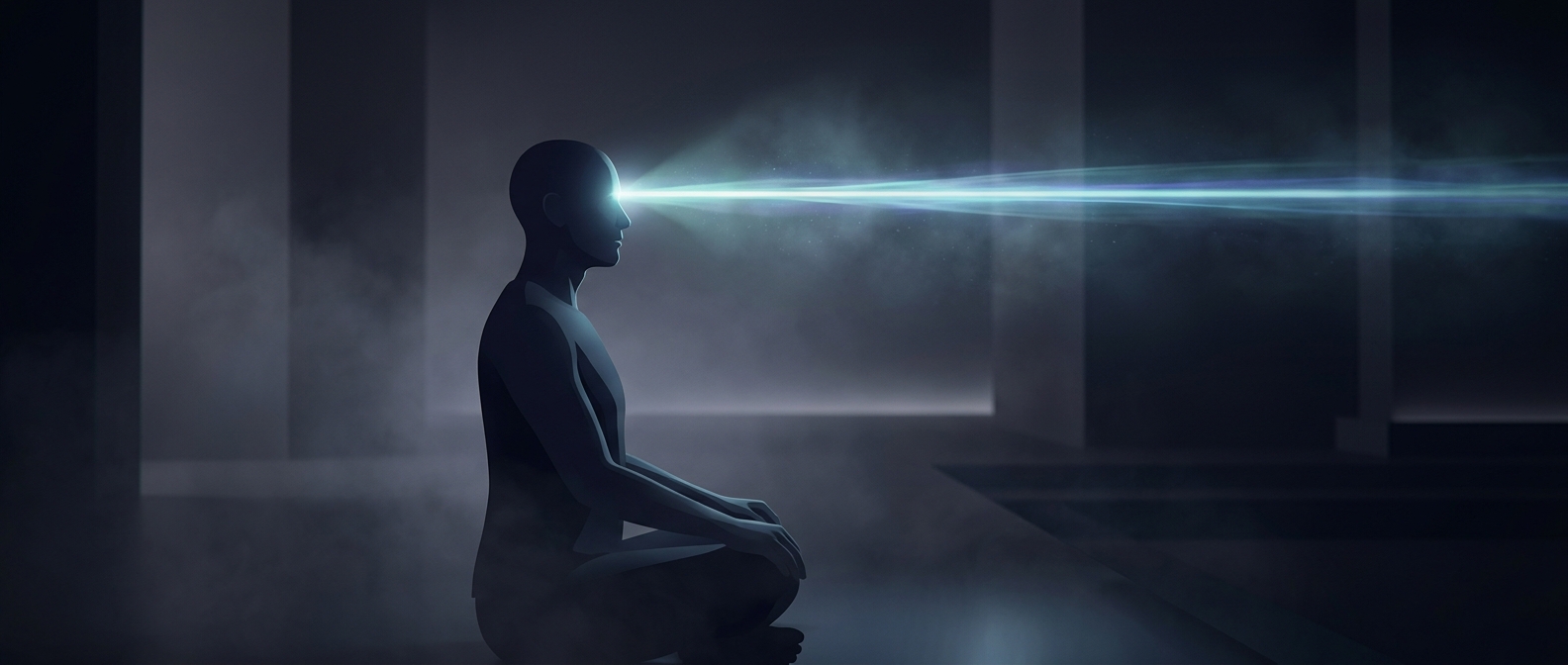
In some contemplative practices, looking steadily at an open sky is a way to shift attention away from the usual stream of tasks and worries. The practice does not require the sky to carry a particular supernatural force. Its vastness can serve as a powerful image: a problem that fills the mind may seem less all-encompassing when set against a horizon that extends beyond sight.
Why the View Can Seem to Change
Holding the gaze in one place reduces the small eye movements that normally keep a scene vivid. As the visual system adapts, parts of the view may seem to fade, soften, or blur. Bright light, haze, and the lack of nearby objects for judging distance can add to the effect. These are ordinary features of perception, but in a quiet, sustained practice they can make the scene feel less sharply divided into “me” and “what I see.”
That sensation is a subjective experience, not proof that a person has literally merged with the sky. Practitioners may interpret it through their own tradition—as spaciousness, release, or a reminder that personal concerns are not the whole of reality.
The Meaning Is in the Attention
The useful shift is often not that a problem disappears, but that attention stops circling it so tightly. A broad, nearly featureless view gives the mind fewer details to chase, while the act of staying with it creates a pause from ordinary demands. The sky’s scale then becomes a concrete prompt: a worry can matter deeply without occupying the entire horizon.