Why a small loss can feel so vivid
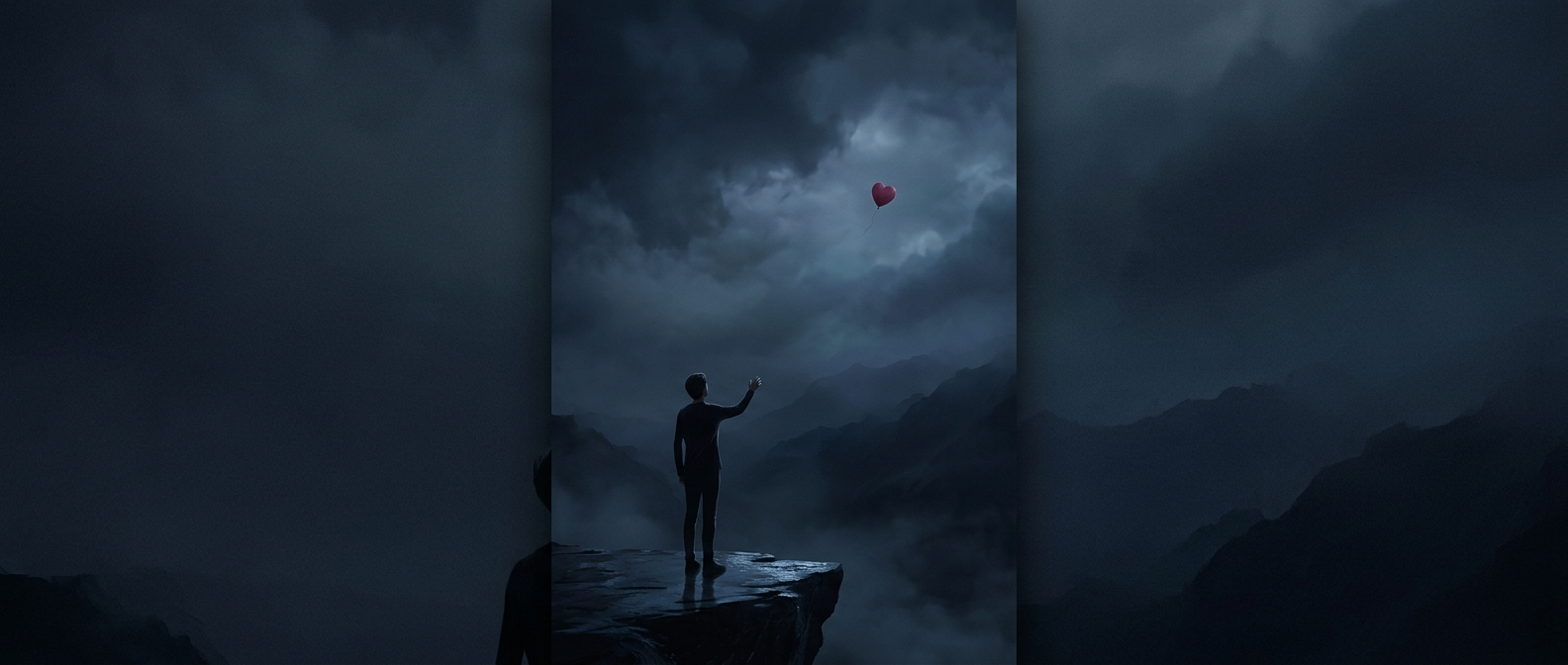
A balloon is an ordinary object, but its escape turns loss into a scene. It rises, moves away, and shrinks while you watch. Unlike a dropped object you can pick up, it seems to cross a boundary you cannot reach. That visible distance gives the mind a simple story: something that was here is leaving.
The feeling is less about the balloon’s value than about the pattern it resembles. People recognize separation through cues such as distance, fading visibility, and the inability to restore what is gone. A departing balloon gathers those cues into a few seconds, making an abstract idea—parting—easy to picture.
Why watching matters
Loss often feels different when it unfolds in front of you. If a balloon simply vanished, you might register that it was missing. As it drifts, you witness the change from “with me” to “out of reach.” Watching can also make the moment feel helpless: you can follow its path with your eyes, but looking does not bring it back.
The balloon’s smallness and familiarity can sharpen that contrast. It may have been held, tied to a wrist, or carried through a celebration; then, in a moment, it becomes a distant speck. That shift invites a personal interpretation, even though the object itself has no feelings or intentions.
A feeling without a major loss
The reaction need not mean someone is grieving deeply, or that everyone will feel sad. A passing image can briefly echo the shape of a more meaningful separation without being equivalent to one. The balloon makes leaving visible—and gives the mind a moment to feel the distance grow.