Why Pictionary forbids letters
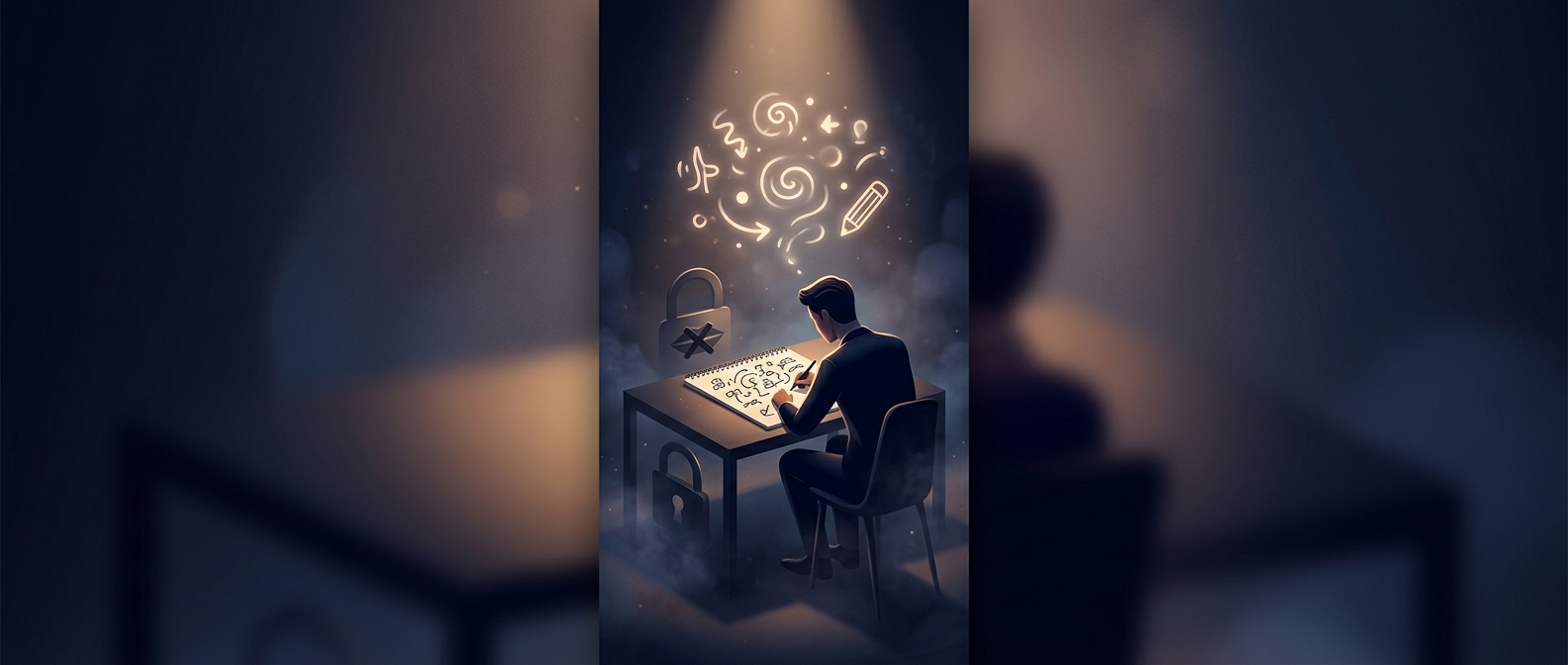
A letter can turn a drawing game into a spelling game. If a player could write the first letter—or sketch out a word one character at a time—the team could bypass the harder task: conveying an idea through pictures. The ban keeps the clue inside the game’s visual language, where a shape might stand for an object, an action, or an association rather than a sound.
That restriction also changes what counts as a useful drawing. Players have to choose images that suggest the target indirectly: a part of something, a related object, or a scene that hints at what is happening. Teammates then supply possible meanings aloud. Each guess gives the drawer a quick signal about what the picture is communicating, even when the guess is wrong.
The rule makes ambiguity part of the game
Because there is no lettering or spoken explanation to rescue a confusing sketch, players must simplify. A few bold, recognizable details can work better than a careful illustration, especially with the clock running. The team’s challenge is not simply to identify what is on the page; it is to find the connection between those marks and the word they are trying to guess.
The ban therefore does more than make clues harder. It creates the distinctive back-and-forth of Pictionary: one person compresses an idea into images, while everyone else tests interpretations until one fits. A wildly wrong guess can still help by revealing which part of the sketch teammates noticed first.