Why a Two-Finger Lift Can Work
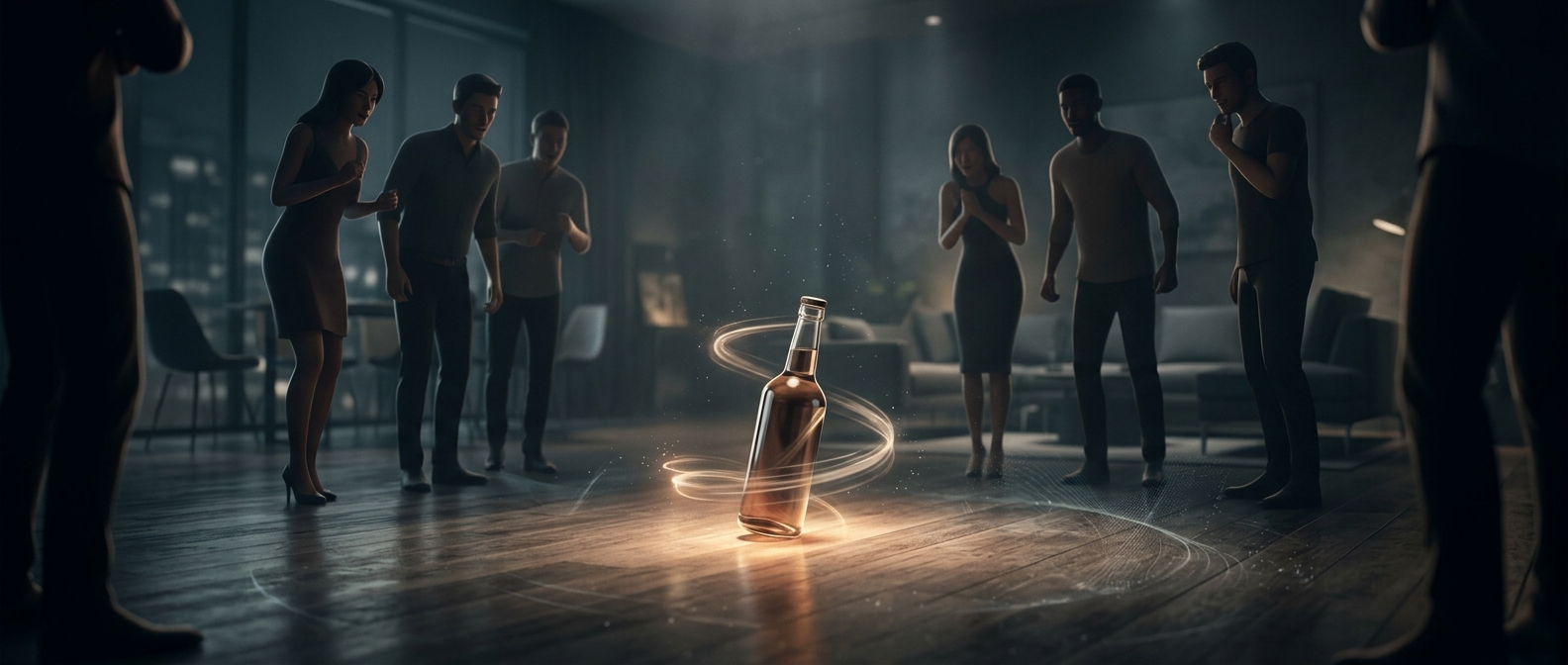
The trick is not that two fingers can support a whole person on their own. It works because several lifters each take a small share of the load, and they raise the person together. The person’s weight is still there; it is simply divided among more hands.
Think of a heavy table carried by several people. One carrier may struggle with the entire load, while each can manage a portion. In the same way, if the lifters’ fingers are placed at separate support points, each finger bears only part of the person’s weight. The exact share depends on how many fingers are helping and how evenly the person’s weight is distributed.
Timing Makes the Difference
Coordination matters as much as strength. If one lifter starts early, their fingers may briefly take more than their share, making the person feel unexpectedly difficult to raise. When everyone lifts on the same signal, the load is shared from the start instead of being dumped onto one or two people.
That synchronized effort is what makes the demonstration feel surprising: a load that seems impossible for one pair of fingers becomes manageable when several lifters contribute at once. The memorable part is not a change in the person’s weight, but how much easier a task can become when the effort is divided and coordinated.