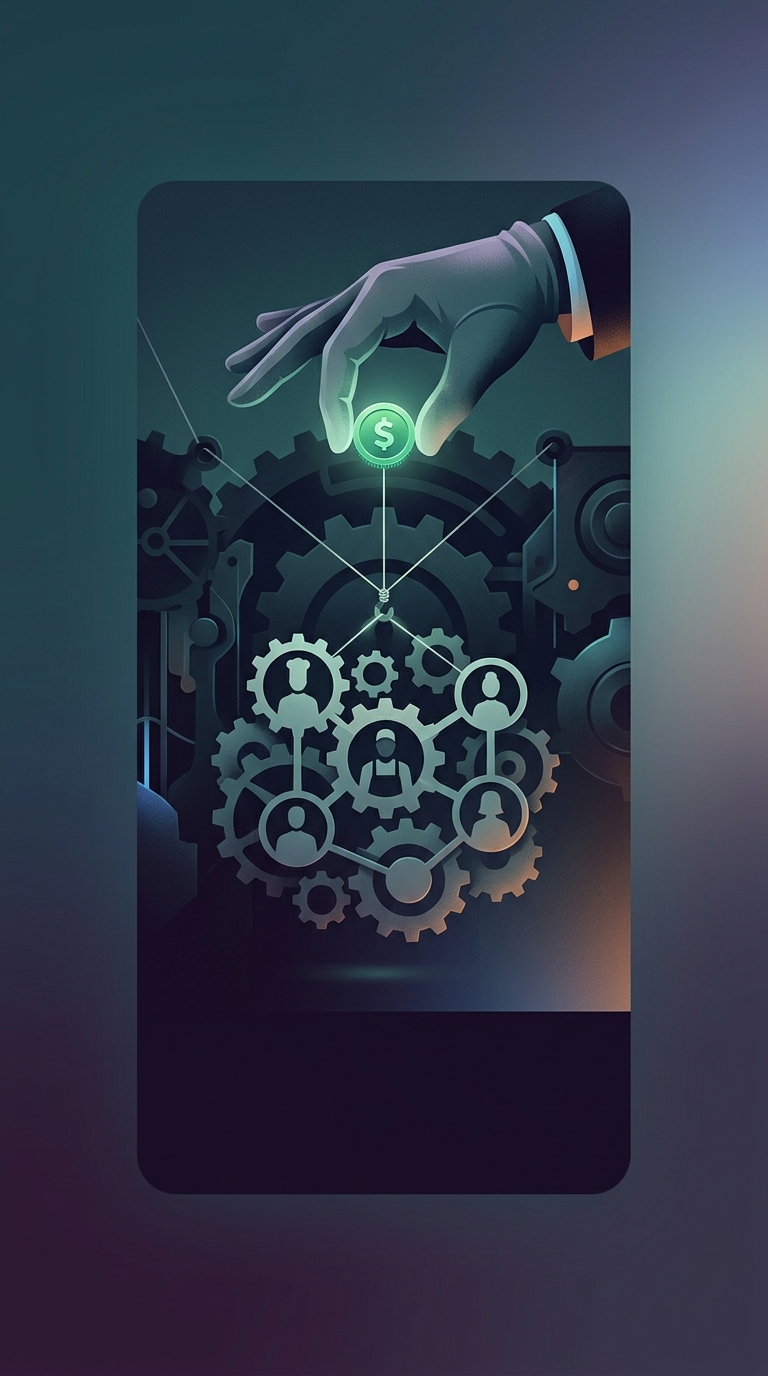
How contractor status changes the cost of a shift
A gig platform can match a customer with a worker without putting that worker on its payroll. The distinction matters because employees generally receive protections such as minimum-wage and overtime rules, while independent contractors typically cover their own work expenses and do not receive employer-provided benefits. The legal test varies by place and depends on the working relationship, not simply the label in an app.
For the platform, contractor status can make labor costs more variable. Instead of paying for scheduled time, idle periods, or a package of employment benefits, the company usually pays when a task is completed and takes a fee from the transaction. That can reduce costs—but it also means workers may absorb fuel, vehicle wear, and time spent waiting between jobs.
Flexibility depends on who bears the risk
On-demand scheduling can let workers choose when to log in. But choice of hours is not the same as a guaranteed hourly income: demand fluctuates, and time spent waiting may not be paid. A worker can therefore have control over when to seek jobs while still facing uncertainty about how much work will be available or what the shift will earn.
This is the central tradeoff in the model: the platform gains a workforce that can expand or contract with demand, while workers carry more of the risk that demand will be thin. The arrangement can suit someone seeking occasional work; it is a less secure foundation for someone relying on the income full time.
Why lower labor costs do not guarantee profits
A lower cost per completed job does not settle the platform’s other expenses. It must attract both customers and workers, maintain the app and payment systems, and may spend money to encourage people to use the service. If fees do not cover those costs, the business can lose money even while avoiding many expenses associated with employing workers.
That is why contractor status is a cost advantage, not a complete business strategy. The platform still has to make enough from each transaction—and generate enough transactions—to pay for the machinery that brings the two sides together.