Before “gig economy,” economists studied contingent work
The app-based gig economy may feel new, but its basic labor arrangement is not: a worker is paid for a task or stretch of time without the security of a continuing job. Economists writing decades ago examined versions of this arrangement under older names, including piecework, casual labor, and temporary work. The technology and branding changed; the underlying question—who provides work, and who bears the risk when it runs out—did not.
The key issue was how work was organized
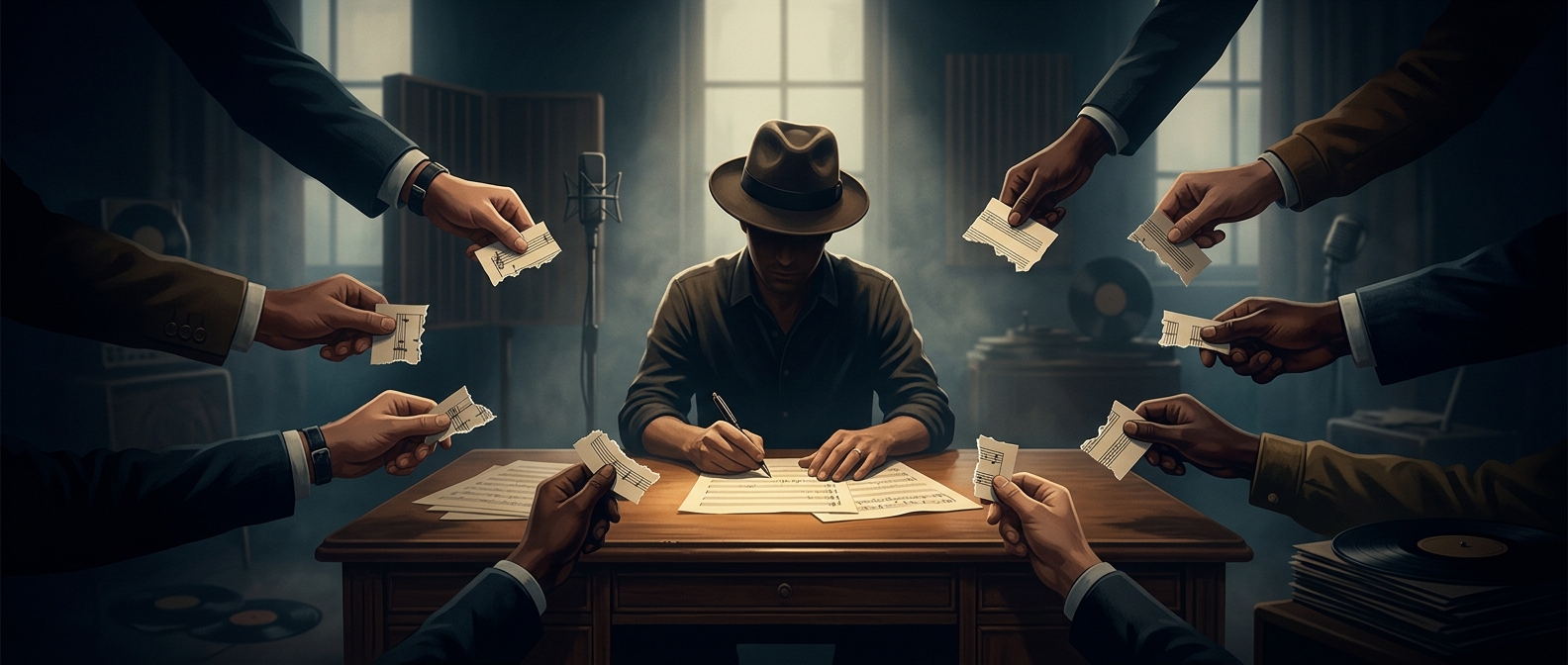
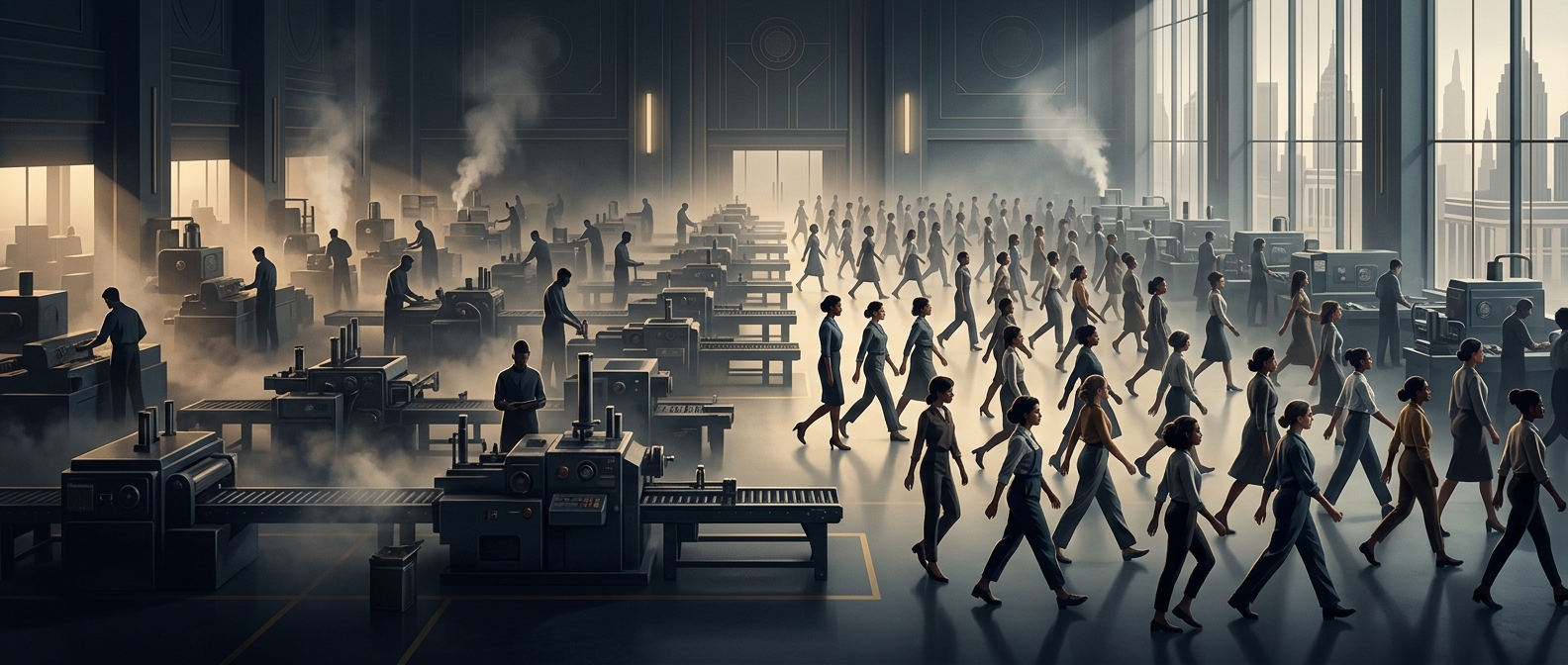
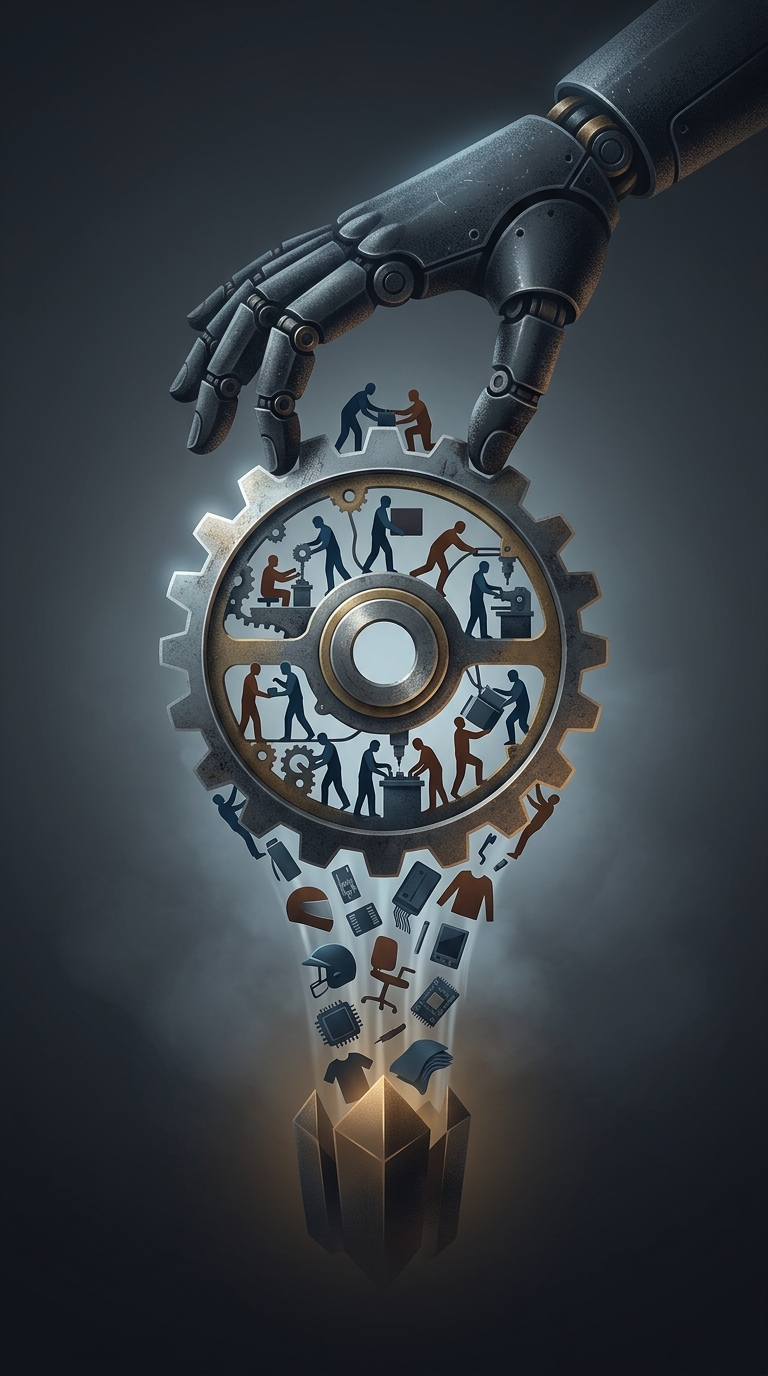
Economists distinguished between work done inside an ongoing employer–employee relationship and work bought one task at a time. A firm might hire someone for a stable position, or pay for a particular output or service. The second model can make labor costs more flexible: a business pays when it needs work rather than maintaining a job between busy periods.
That flexibility has a counterpart. When tasks are scarce, the worker may have little or no income; when work is available, the worker may also absorb costs associated with doing it. In piecework, for instance, payment tied to output can reward speed or productivity, but it can also leave earnings dependent on the number of tasks offered and completed. The economic question was not simply whether task-based work was efficient. It was how its rewards and uncertainty were divided.
A familiar tradeoff in a new package
Older economic analysis also treated the boundary between employment and contracting as consequential. A worker classified as an employee and a worker hired for individual jobs can face different arrangements for pay, supervision, and responsibility. Those distinctions shape both a firm’s costs and a worker’s bargaining position.
So the modern gig economy is better understood as an old labor-market tradeoff delivered through new tools. An app can match a customer and worker quickly, but it does not erase the basic uncertainty of task-based work: the company gains flexibility partly because the worker’s stream of jobs is not guaranteed. That is the continuity worth noticing beneath the modern name.