Why a Waiting Room Can Feel Less Exposed
A clinic visit often involves private concerns, unfamiliar procedures, and uncertainty about what will happen next. In that setting, even a brief glance or casual question from a stranger can feel more personal than it would in a café. Room design cannot remove that vulnerability, but it can reduce the number of social demands placed on people while they wait.
Privacy Before the Appointment
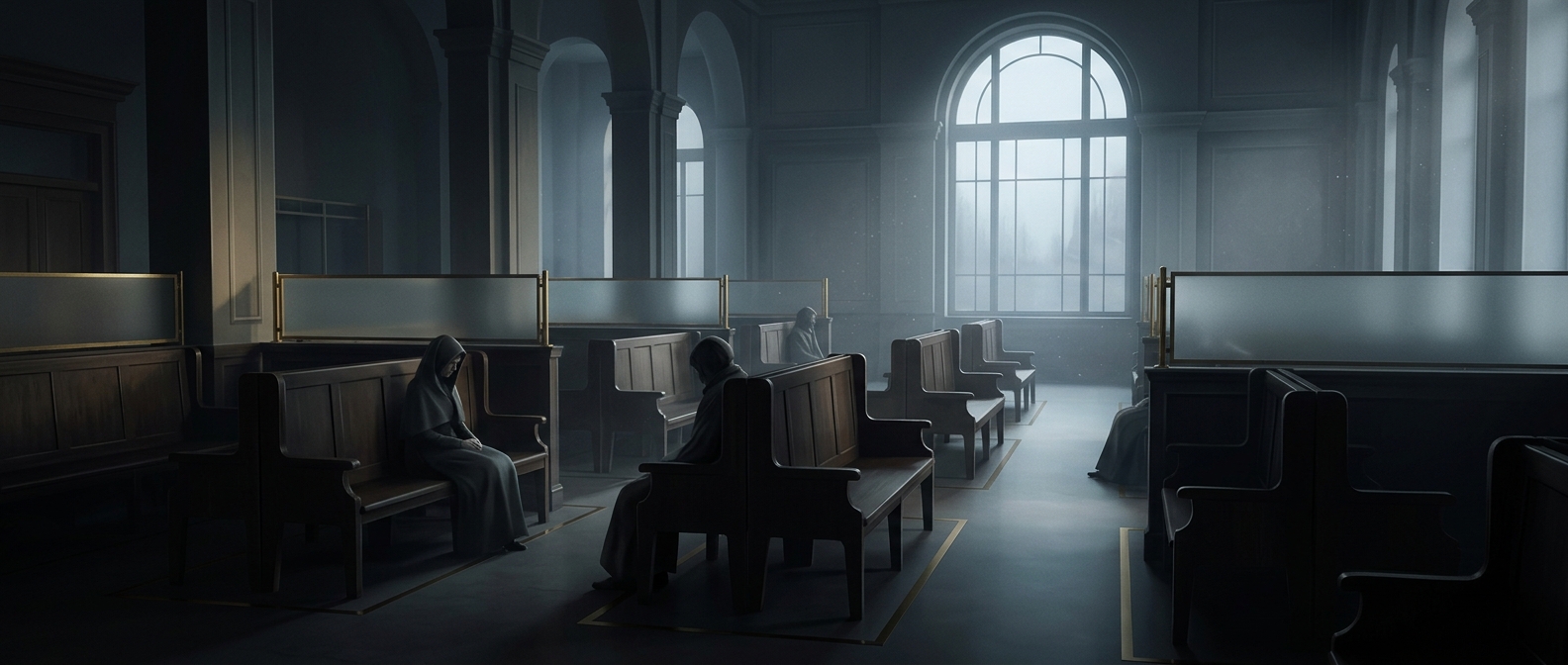
When seats do not naturally direct people toward one another, patients have less reason to monitor faces, manage eye contact, or decide whether to start a conversation. That matters because waiting is not always passive: someone may be listening for their name, watching for a staff member, or trying to keep a sensitive conversation private. A layout that limits casual interaction lets attention stay on those immediate concerns.
The arrangement also helps keep other patients from becoming an audience. A person filling out paperwork or speaking quietly with a companion may feel less conspicuous when nearby seats are not arranged like a small audience facing them.
A Small Design Choice With a Tradeoff
Separating people can make a room feel calmer and more private, but it can also make it harder to talk with a companion or ask a nearby person for help. Staff still need clear sightlines and usable paths through the room, so the design must balance personal space with practical access.
The result is a subtle form of hospitality: the room does not ask strangers to socialize just because they happen to be waiting together.