The Second House Treats “Value” as More Than Money
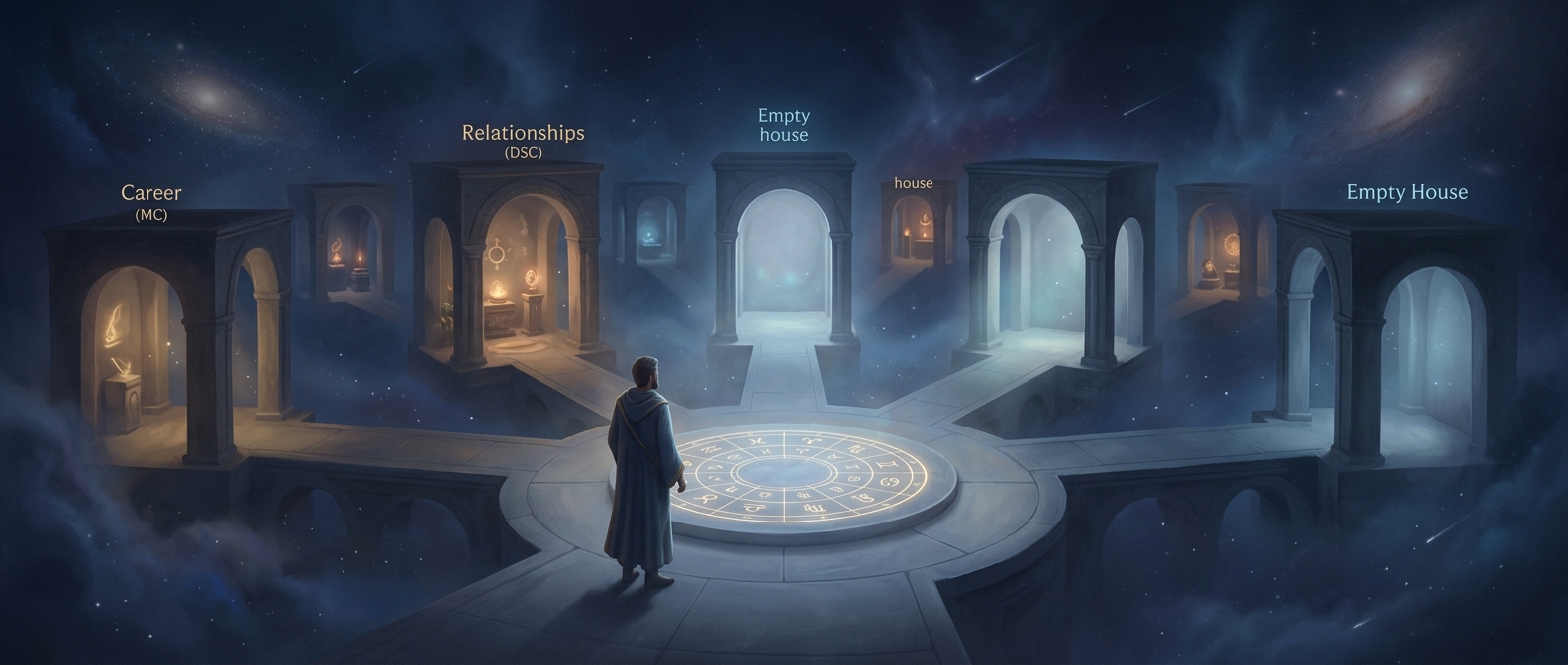
In astrology, a house is a section of a birth chart used to organize a theme of life. The second house gathers questions about what a person owns, earns, keeps, and considers worth protecting. Its symbolism extends from possessions to self-worth because both involve judgments of value: What feels secure? What seems worth working for? What would be difficult to lose?
That connection is interpretive, not a claim that belongings scientifically determine anyone’s confidence. Astrologers use the house as a lens for considering how material security and personal priorities may be linked.
A Symbolic Storehouse, Not a Literal Hoard
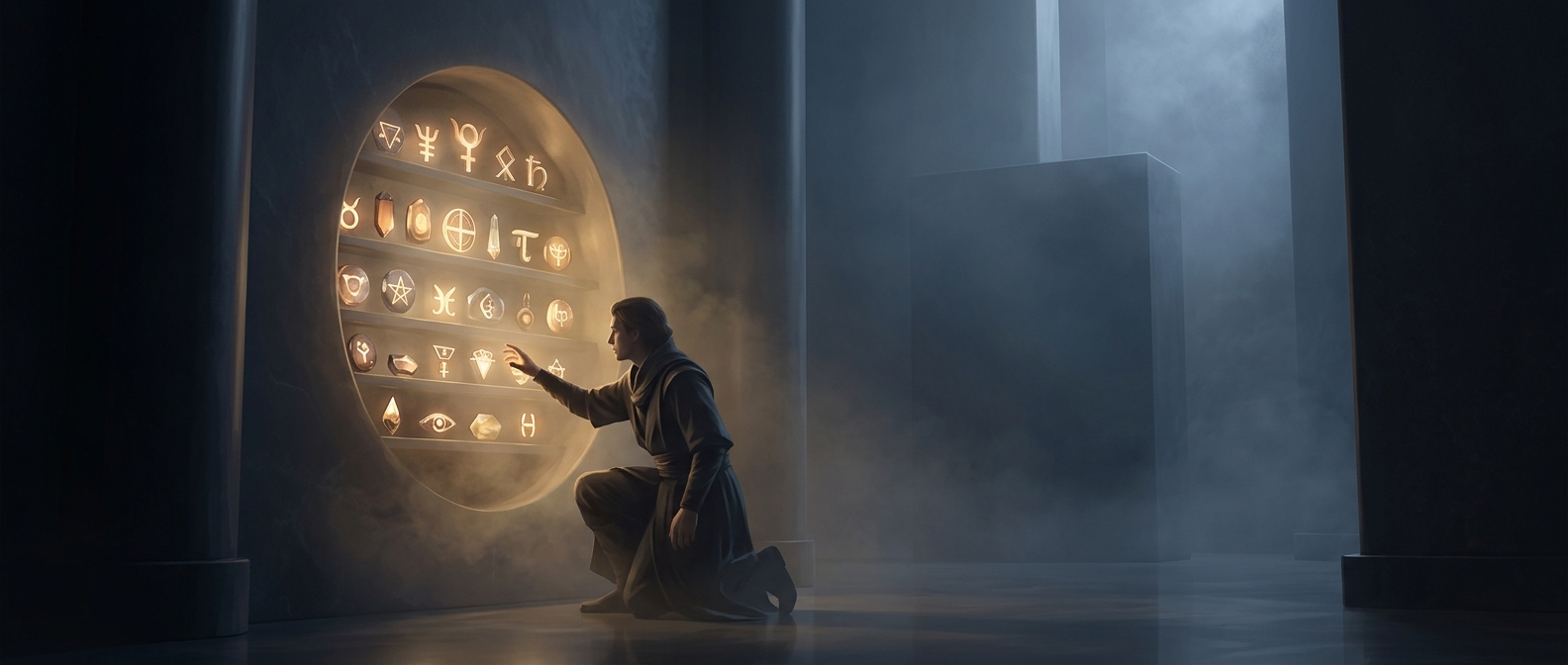
The phrase “hoards your esoteric value system” makes the house sound like a vault of hidden beliefs. In practice, astrologers may read it as a chart’s symbolic account of a person’s relationship to resources and worth. “Resources” can include money and possessions, but also the skills or capacities someone relies on to meet needs.
This framing can shift a reading away from “How wealthy will I be?” toward more personal questions: Does security come from saving, earning, or owning certain things? Does someone measure their worth by what they can provide? What do they value even when it brings no obvious financial reward?
The house does not supply a fixed answer on its own; astrologers interpret it alongside other chart factors. Its distinctive idea is that what a person accumulates—and what they refuse to part with—can serve as a symbolic clue to what they believe is worth keeping.