A cutscene is still running inside the game
A real-time cutscene is built from the same kinds of pieces used during play: 3D characters, environments, lighting, animation, and effects. The difference is that the developers temporarily decide what those pieces do. They can stage a conversation, choose when a character turns, and guide the camera through a carefully rehearsed sequence while the game continues drawing each frame.
That lets the scene use the player’s current game state. A character can appear in the outfit the player chose, or the scene can begin in the same place the gameplay just ended, without switching to a separately rendered movie. It can also make the handoff back to play feel immediate.
A camera move has to survive the actual game
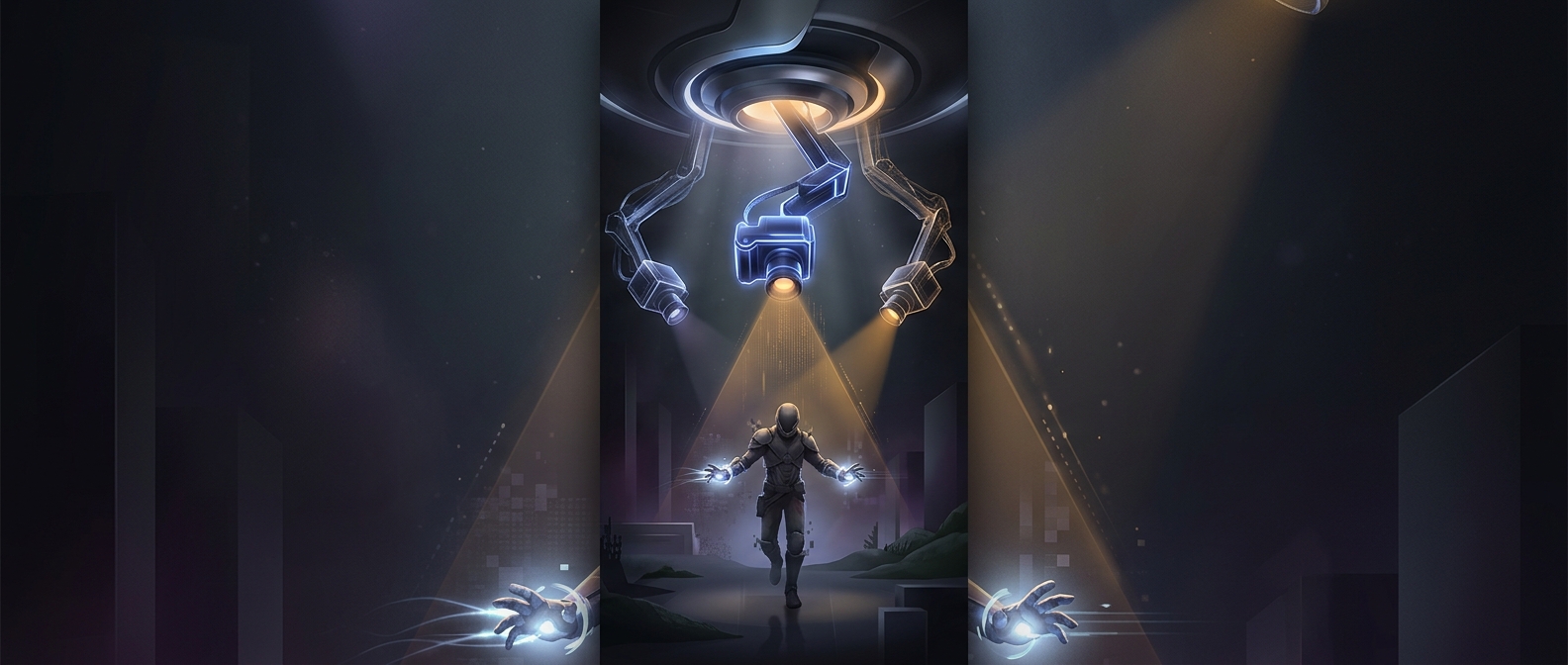
Designers typically plan camera positions and movement in advance, much like blocking a scene for a film. But the shot must work with the game’s models, animation, and lighting—not just look good in isolation. A close-up may expose facial animation that is hard to notice at a distance; a sweeping view may reveal objects or spaces that gameplay rarely shows.
The scene also has to fit the game’s performance budget: the hardware must draw it smoothly alongside all the visual detail on screen. Developers may simplify effects or control what is visible to keep the sequence running well. Because the scene is rendered on the player’s system, its final appearance can also vary with graphics settings and hardware.
Freezing input is part of that choreography. It prevents a player’s movement from pulling the character out of position or turning a planned exchange into an awkward shot. When control returns, the camera and character need to land somewhere that makes sense for the next action—so the cutscene is not just a movie inserted into the game, but a carefully managed bridge back to play.