Turning a live encyclopedia into a fixed edition
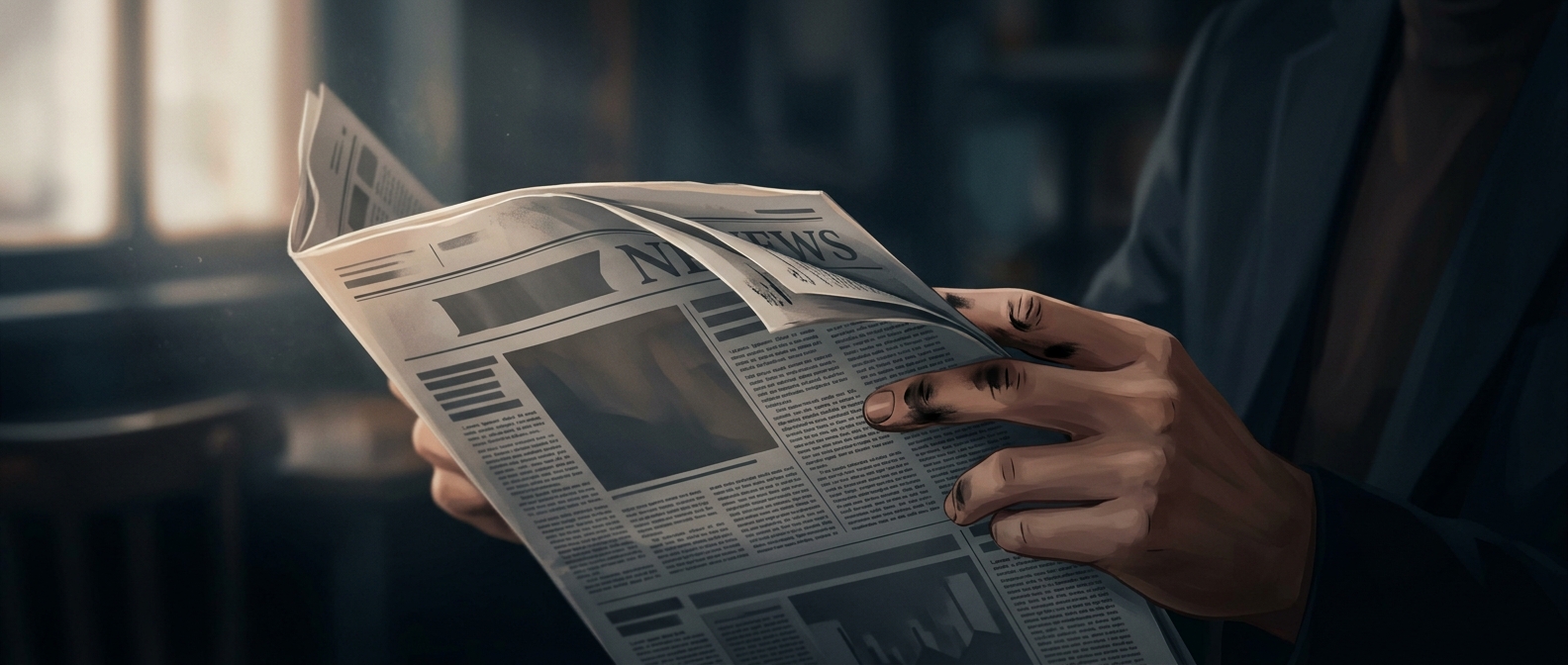
Wikipedia is not a finished book that happens to be online. Its articles can be edited at any time, so printing the site means choosing a particular moment and preserving what the pages said then. The result is a snapshot: useful as a physical record, but already separated from the changing encyclopedia it came from.
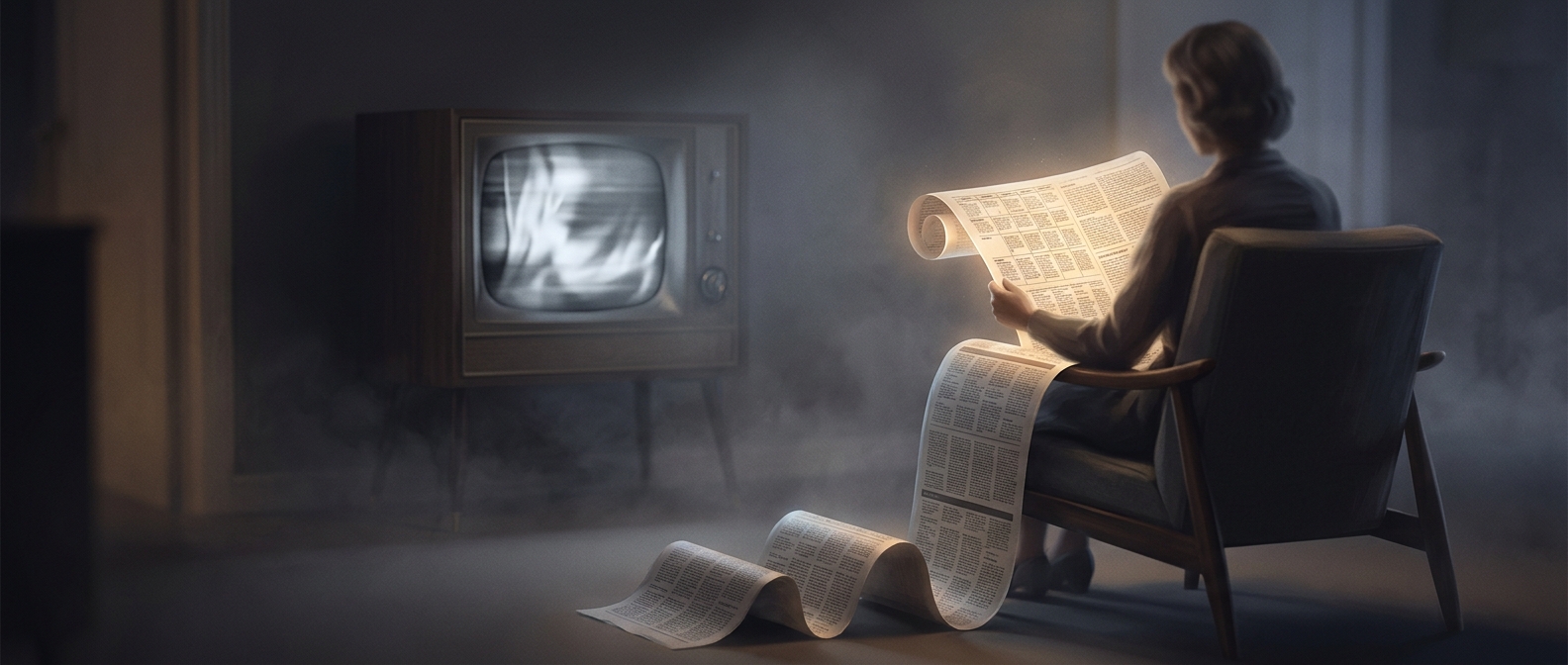
Making that snapshot readable takes more than sending web pages to a printer. Pages must be laid out on paper, where screens’ scrolling and clickable links no longer work in the same way. Navigation has to come from printed contents and page numbers, and the material must be divided into manageable volumes. Even then, readers lose the ability to follow a link instantly to another article or check the page’s newest revision.
The update problem is built into the format
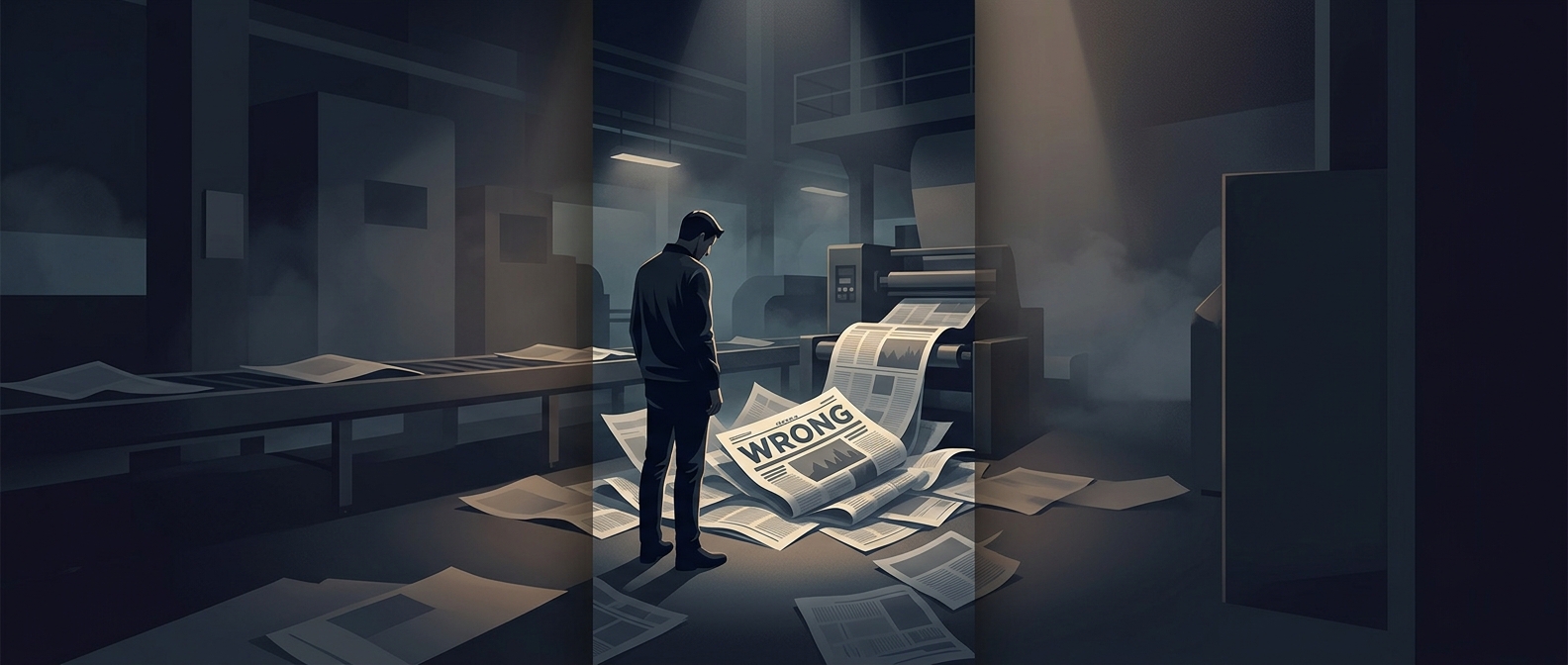
A printed volume cannot quietly absorb a correction. Once copies are made, changing an article requires a new printing or a separate correction; meanwhile, the online version can continue to change. Reprinting the whole collection whenever pages are revised would turn a one-time conversion into an ongoing publishing effort.
That mismatch is what makes the project striking: the challenge is not simply fitting an encyclopedia onto shelves. It is trying to give a continually edited reference work a permanent, paper form. The books preserve one version of Wikipedia, while the website carries on beyond it.