Why boats can cross this high-altitude lake
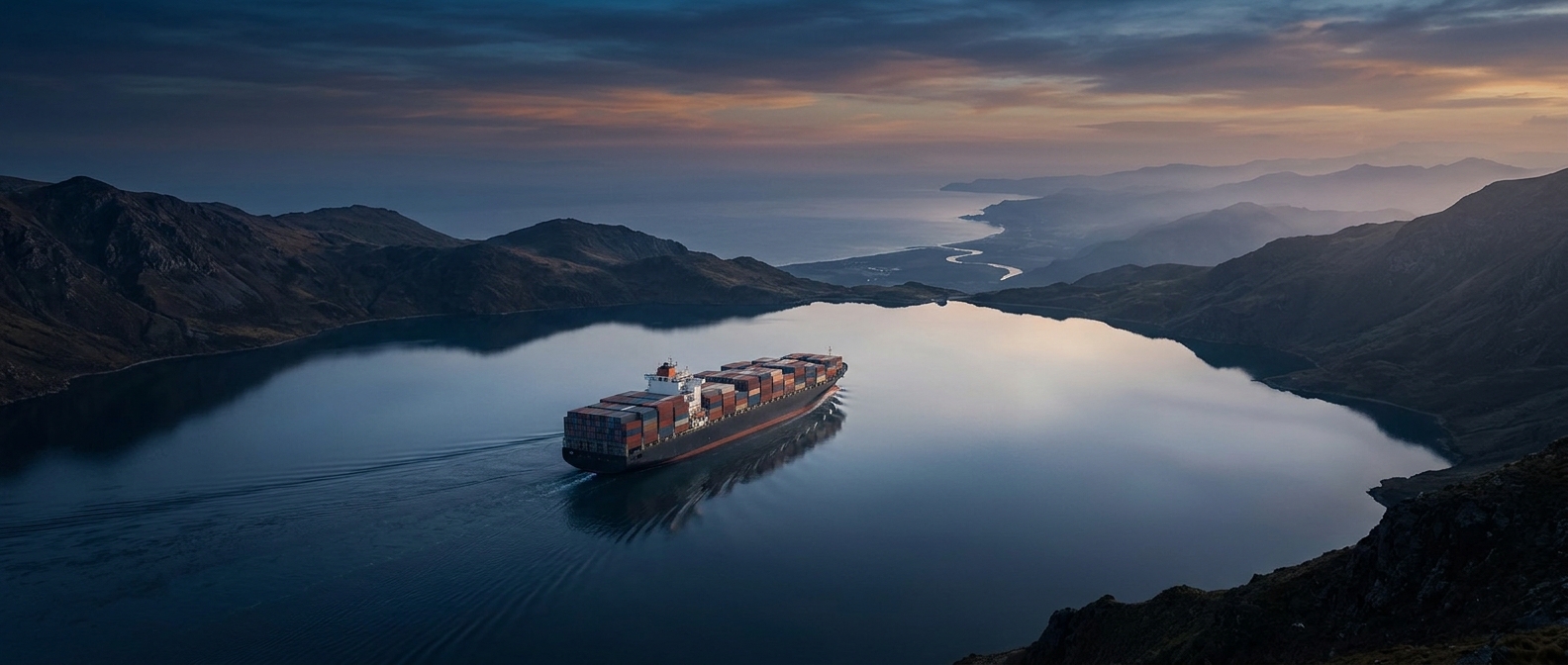
Lake Titicaca sits on the broad Andean plateau shared by Peru and Bolivia. Its open water links shoreline settlements and islands across a landscape where steep slopes and long distances can make land travel difficult. Boats make those crossings directly, carrying residents and visitors between places that would otherwise require routes over land.
“ navigable” here means more than a small craft being able to float: boats can travel across the lake and serve as practical transport. The distinction matters because a lake’s height alone does not tell you whether it can support useful journeys. Its size, connected waterways, and conditions on the water matter too.
A working route, not just a record
The lake’s elevation makes ordinary tasks more demanding: the air is thinner, and the exposed plateau can bring abrupt changes in weather. Crews and travelers must contend with those conditions while navigating a large body of water. So the lake’s importance is not simply that boats can reach it; water travel remains part of how people move around this highland region.
That combination makes Titicaca’s record tangible: a boat crossing is also a journey between communities on one of the world’s highest inhabited plateaus.