How a tiny crystal preserves a chemical clue
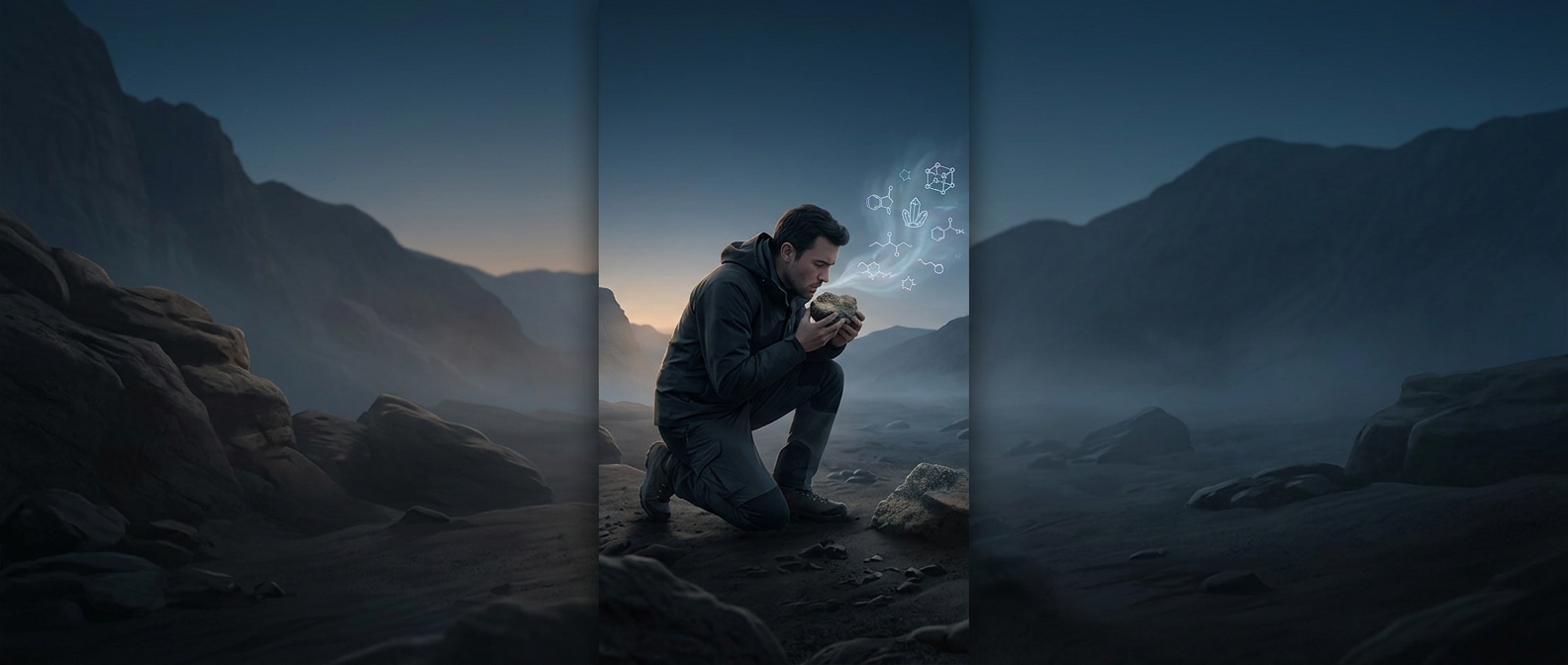
Zircons are durable minerals that can survive long after the rocks around them have been broken down or changed. Some found in Western Australia’s Jack Hills formed about 4.4 billion years ago, making them among the oldest known surviving pieces of Earth’s crust. Their value is not that they contain a drop of ancient seawater, but that their chemistry records conditions in the rocks from which they grew.
Oxygen isotopes point to water-altered rock
Oxygen comes in several forms, or isotopes: atoms with the same chemical behavior but different masses. The balance of oxygen isotopes in a zircon can help reveal the history of its source material. In these ancient crystals, the pattern is consistent with rocks that had interacted with liquid water before the zircon formed.
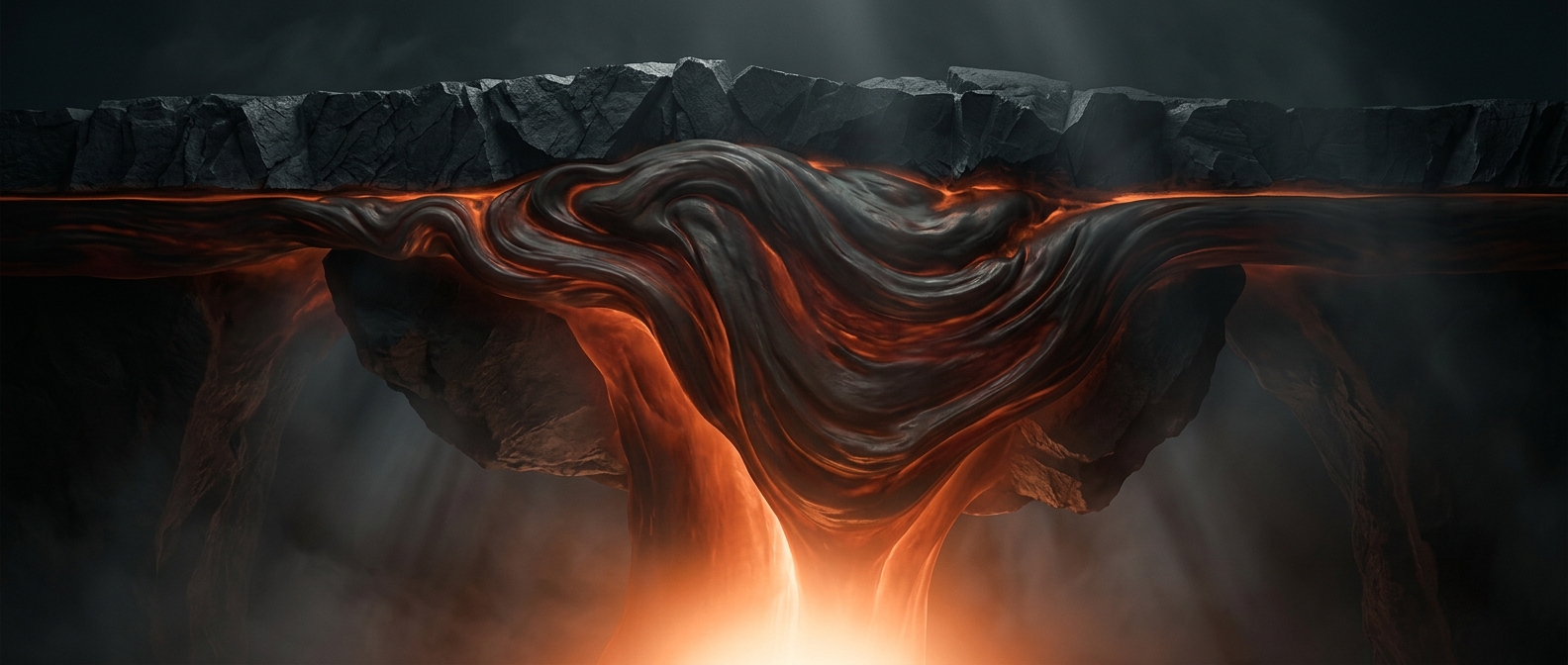
That interaction matters because water can change rock near Earth’s surface. Later, some of that altered material can be carried down into hotter regions, where it melts and contributes to new rock. Zircon crystals that grow from such melts can retain an isotopic signal of the earlier contact with water, even as the surrounding geology changes.
What the evidence does—and doesn’t—show
The inference is indirect: researchers read a chemical signature preserved in a crystal, then use it to reconstruct the rock’s earlier history. The zircon is therefore a witness to water’s effects, not a fragment of an ocean or a record of its size. The evidence supports the presence of liquid water interacting with Earth’s crust very early in the planet’s history.
That pushes the story of Earth’s surface back to a time when the planet was still young: water may already have been helping shape rocks that would later be recycled into the crust.