Why a Slow Cooker’s Lid Matters
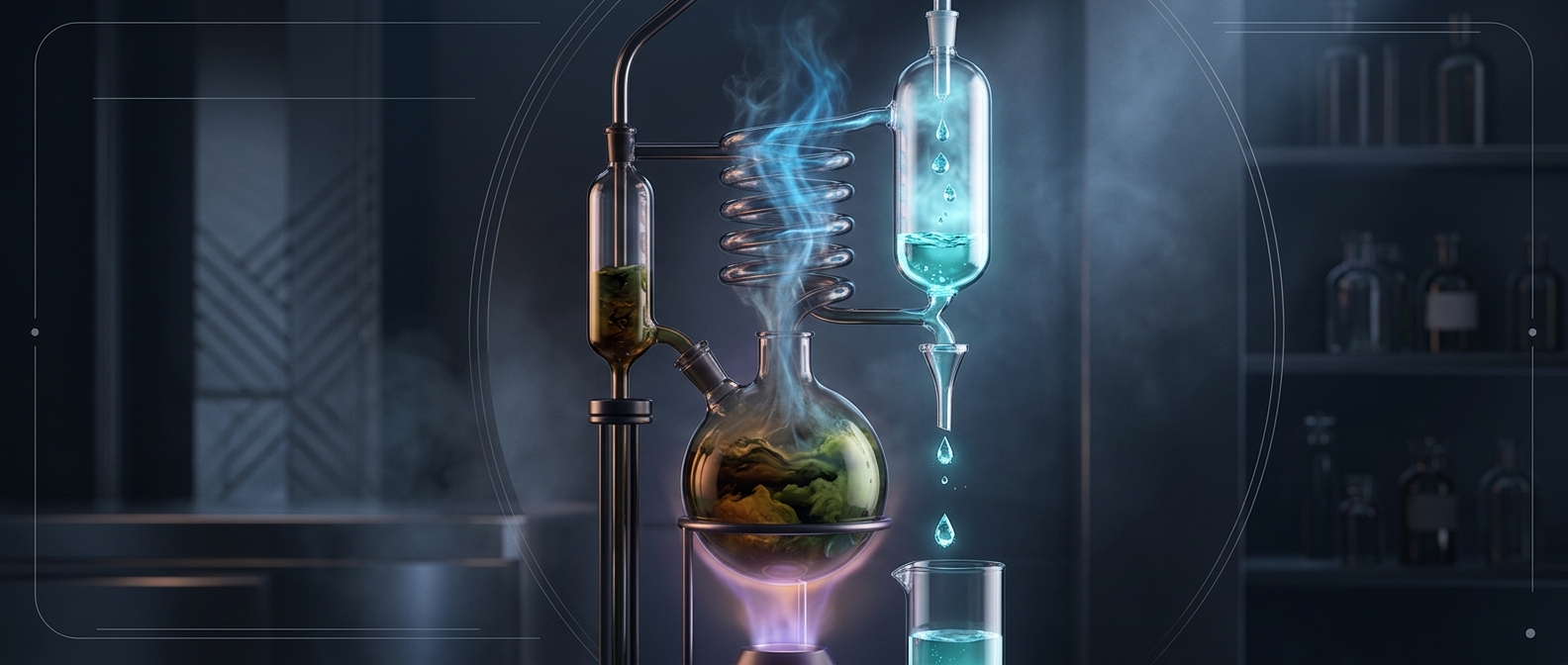
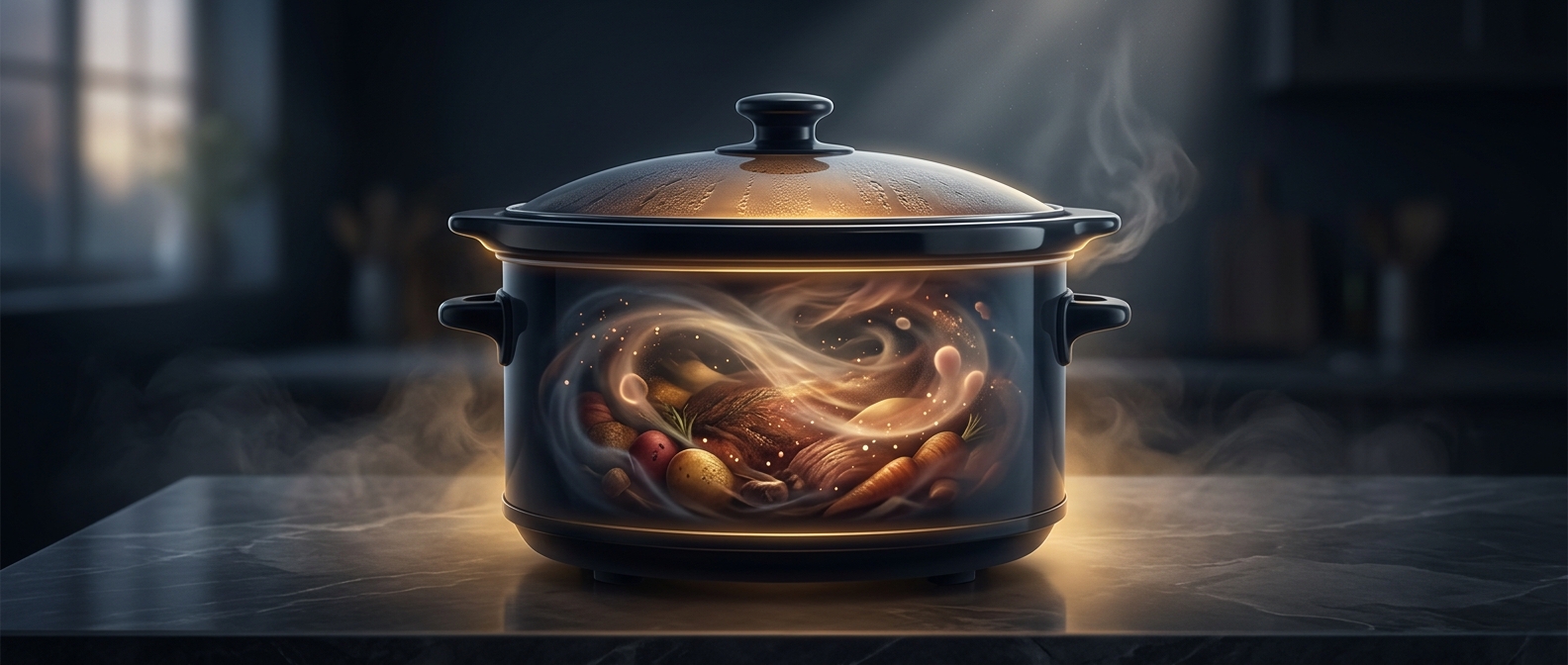
Food releases water as it heats. In an uncovered pot, much of that moisture escapes as vapor; under a slow cooker’s lid, vapor meets the cooler glass, condenses into droplets, and falls back into the crock. The cooking environment stays humid, so meat, beans, and vegetables can soften over time without the pot steadily drying out.
That lid does not seal the cooker like a pressure cooker. It holds in moisture, but it also lets some heat and vapor escape. The cooker relies on sustained warmth—not trapped pressure—to bring ingredients to cooking temperature and keep them there.
Slow Heat Requires a Safe Start
A slow cooker heats food gradually, so ingredients need enough time to warm through. The cooker is designed to do that during a long cooking cycle; it is not a way to make unsafe handling harmless. Starting with thawed ingredients and following the appliance’s instructions helps the food heat as intended. Lifting the lid repeatedly can also slow cooking by letting accumulated heat escape.
The practical payoff is a pot that needs little tending: moisture circulates back into the food while time and steady heat break down tougher ingredients. The lid’s quiet job is to keep the cooking environment from drying out—not to lock heat or pressure inside.