Why a Gas Burner Heats the Kitchen, Too
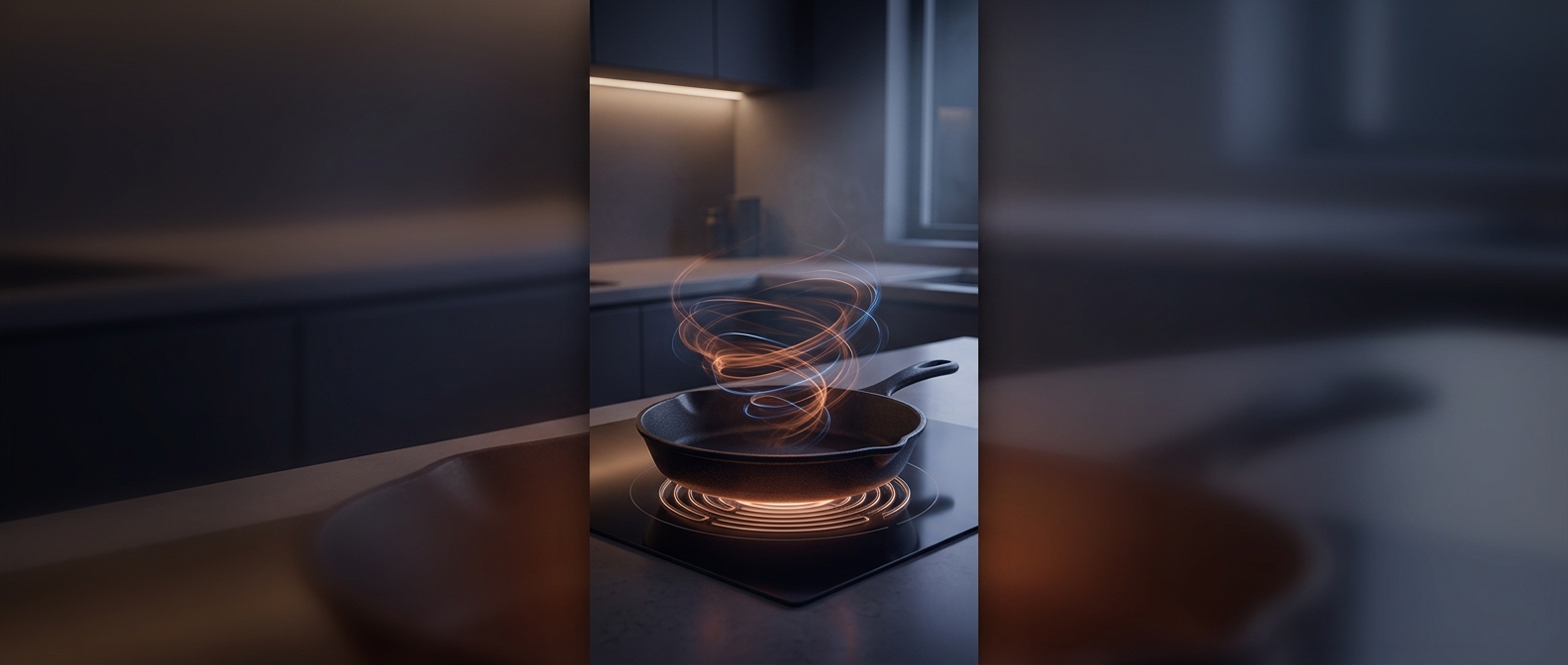
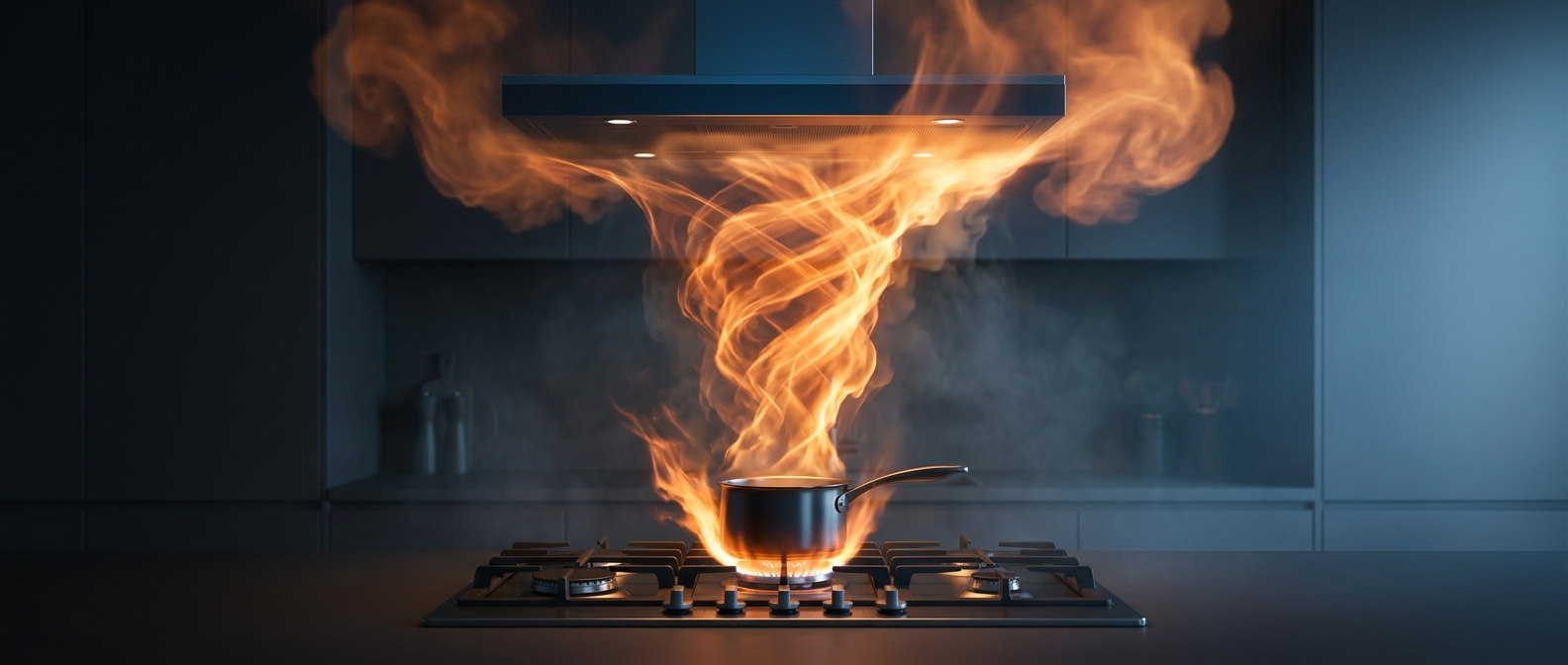
A burner heats a pot through hot gases moving around it, not by making the flame’s entire energy pass straight into the cookware. The pot catches some of that rising heat; the rest flows past its sides and disperses into the kitchen. That is why a flame that reaches well beyond a pan’s base can add more heat to the room than to the food.
The roughly 60% loss described here is a measure of heat that misses the pot—not energy that disappears. It warms nearby air and surfaces instead, and ventilation may carry some of it outdoors. The exact share depends on the burner and how it is used.
What the Flame Size Changes
Matching the flame to the pan’s base helps keep more hot gas in contact with the cookware rather than streaming up its sides. A lid can also reduce heat escaping from the food once it is warm, though it does not change how efficiently the burner transfers heat to the pot.
The practical consequence is easy to miss: a burner can be doing plenty of heating even when the meal seems slow to cook. Some of that work is simply warming the space around the stove.