How a medical setting can become a fear cue
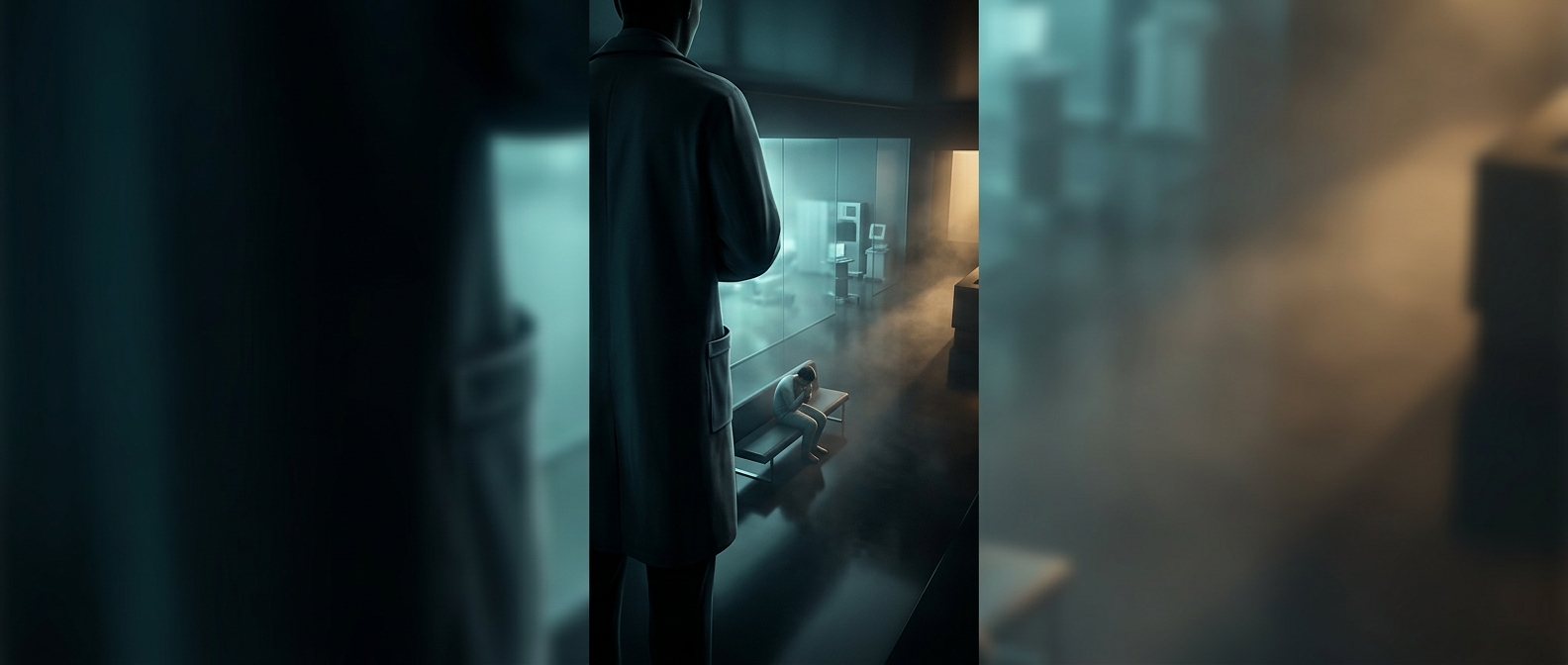
A doctor’s office can concentrate several sources of anxiety: unfamiliar equipment, personal questions, examination, and the possibility of hearing unwelcome news. If a visit is frightening or painful, the brain may begin linking those cues with danger. Later, even a waiting-room smell, appointment reminder, or blood-pressure cuff can set off a strong alarm before anything has happened.
That alarm is a stress response, not proof that the feared outcome is occurring. The heart may race, muscles tense, or nausea rise; those sensations can themselves feel threatening and intensify the fear.
Why postponing can strengthen the cycle
Canceling an appointment often lowers anxiety quickly. That relief teaches the brain that escape worked, making avoidance more likely next time. Meanwhile, uncertainty remains: a symptom may go unexplained, and the next appointment can feel even more consequential because it has been delayed.
This pattern can affect routine care as well as visits prompted by a specific problem. The challenge is not simply persuading someone to be less worried; it is helping them approach care while fear is present.
Making the next visit more manageable
A clinician can often help by explaining what will happen before each step, checking consent, and agreeing on pauses or a signal to stop. Bringing a trusted person or writing down questions may also make the visit feel more predictable. For persistent, disruptive fear, a mental-health professional may use gradual exposure—practicing contact with feared situations in manageable steps—so the brain can learn that the alarm does not have to dictate what happens next.