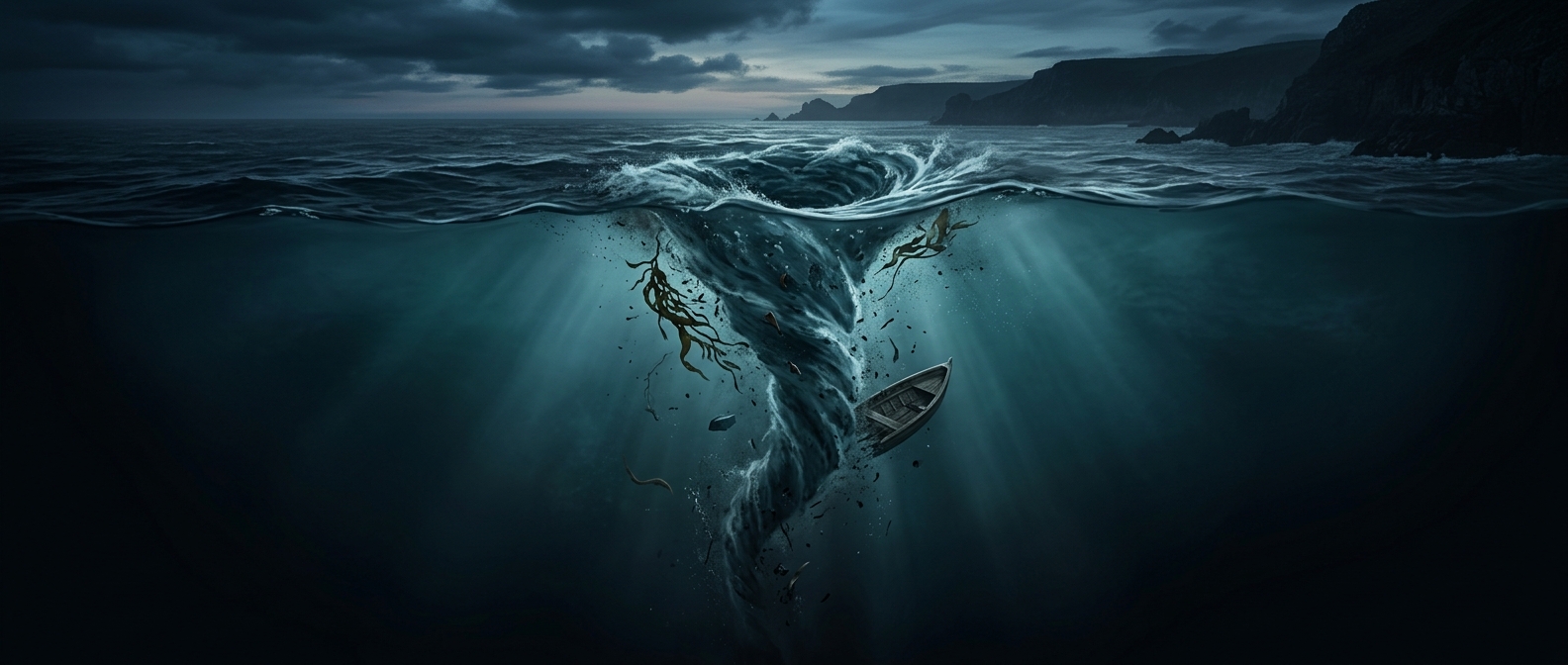
Why the water finds a narrow way back
Breaking waves continually move water toward shore. Some of it returns seaward, and when sandbars or the shape of the beach channel that return flow into a narrow opening, the water gathers speed. That concentrated stream is a rip current. Its route can shift as waves and sand reshape the shoreline, so a spot that looks calm may be the channel where water is flowing out.
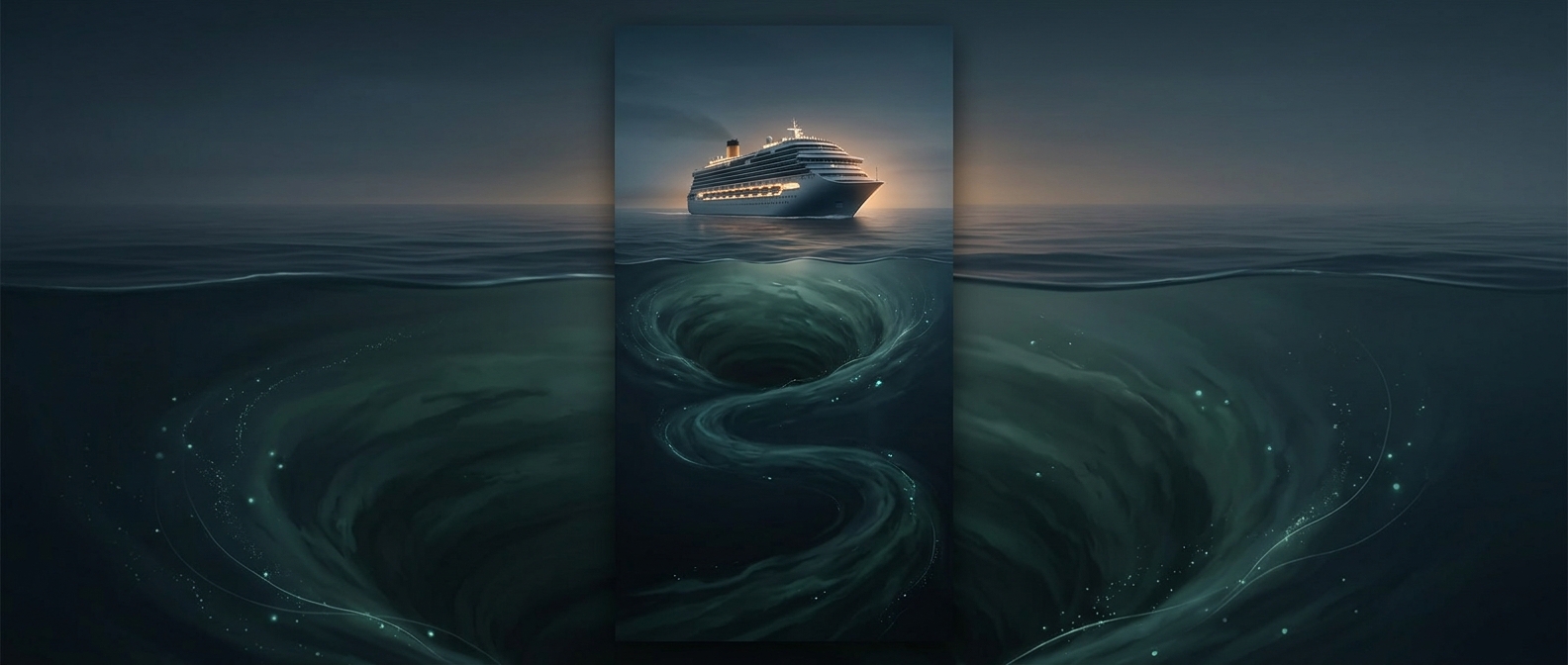
A rip is not a hidden drain that sucks a swimmer straight down. It is moving water, often strongest near the surface, that can carry a person away from the beach and beyond the line of breaking waves. The danger is distance and exhaustion: trying to swim directly back against the current can burn energy faster than it gains ground.
How to get out of the flow
If caught in one, stay afloat and signal for help if needed. Move sideways, roughly parallel to shore, until you are no longer being carried outward; then angle back toward the beach where waves are breaking. If you cannot make progress, keep floating rather than fighting the current, and attract attention.
The key is to escape the narrow stream before heading back. A rip can carry someone offshore, but it usually loses strength beyond the surf zone. What looks like the shortest route home—swimming straight toward the beach—is often the hardest one.