Why a quiet line could still be expensive
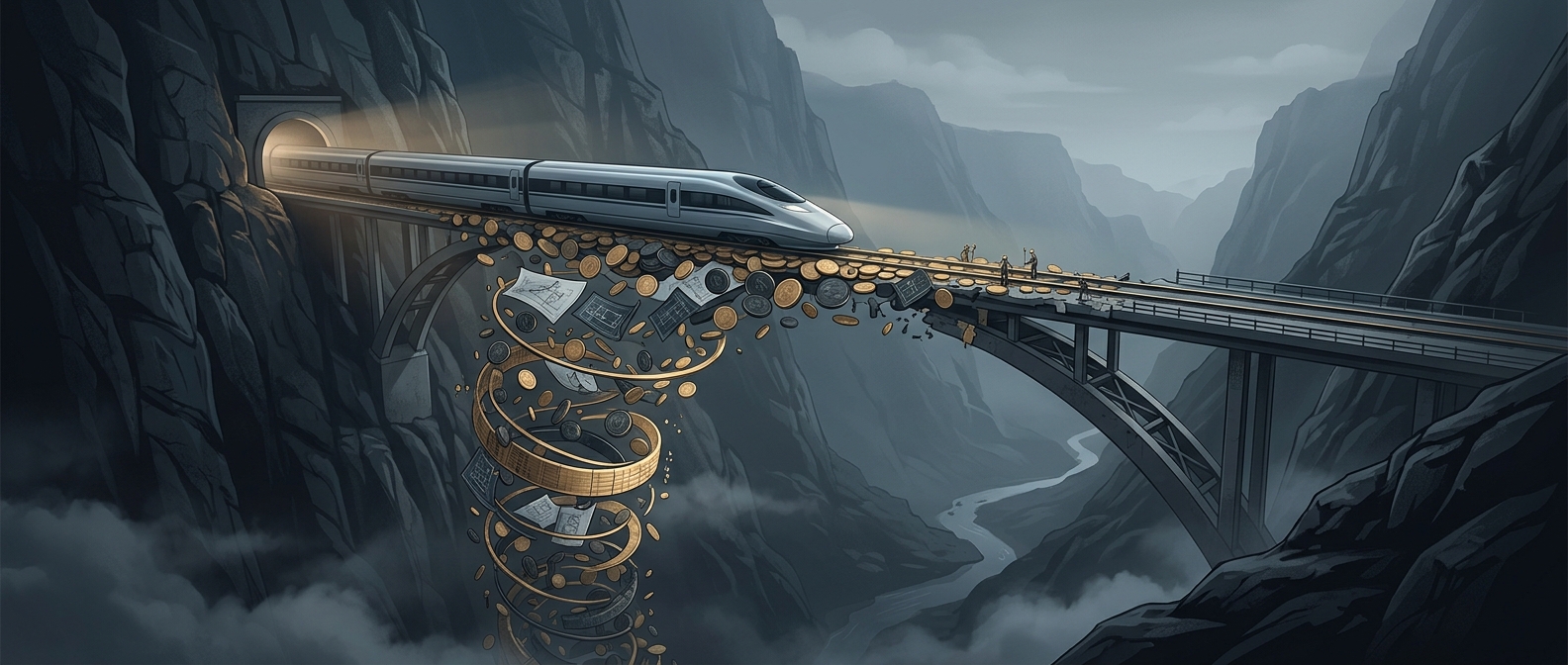
Railway costs do not shrink neatly with passenger numbers. A lightly used route still needs its track kept safe, bridges inspected, signals maintained, and vegetation cleared. Some work can be postponed, but deterioration compounds: a weak bridge or worn section may require repair before trains can run reliably, and speed limits imposed for safety can make the service less useful.
That leaves a difficult calculation. The railway earns less as riders and freight disappear, while many of the costs of keeping the route open remain. A small number of trains must effectively support miles of infrastructure, not just the fuel and crew for each trip.
How roads changed the calculation
Roads gave travelers and shippers more direct options. A car could take someone from a rural home to a destination without matching a train timetable; a truck could collect goods from a farm or factory and deliver them onward. Rail could remain efficient for heavy loads moving long distances, but local traffic often depended on transfers and extra handling. When that traffic shifted away, a branch line lost the customers who helped pay for its upkeep.
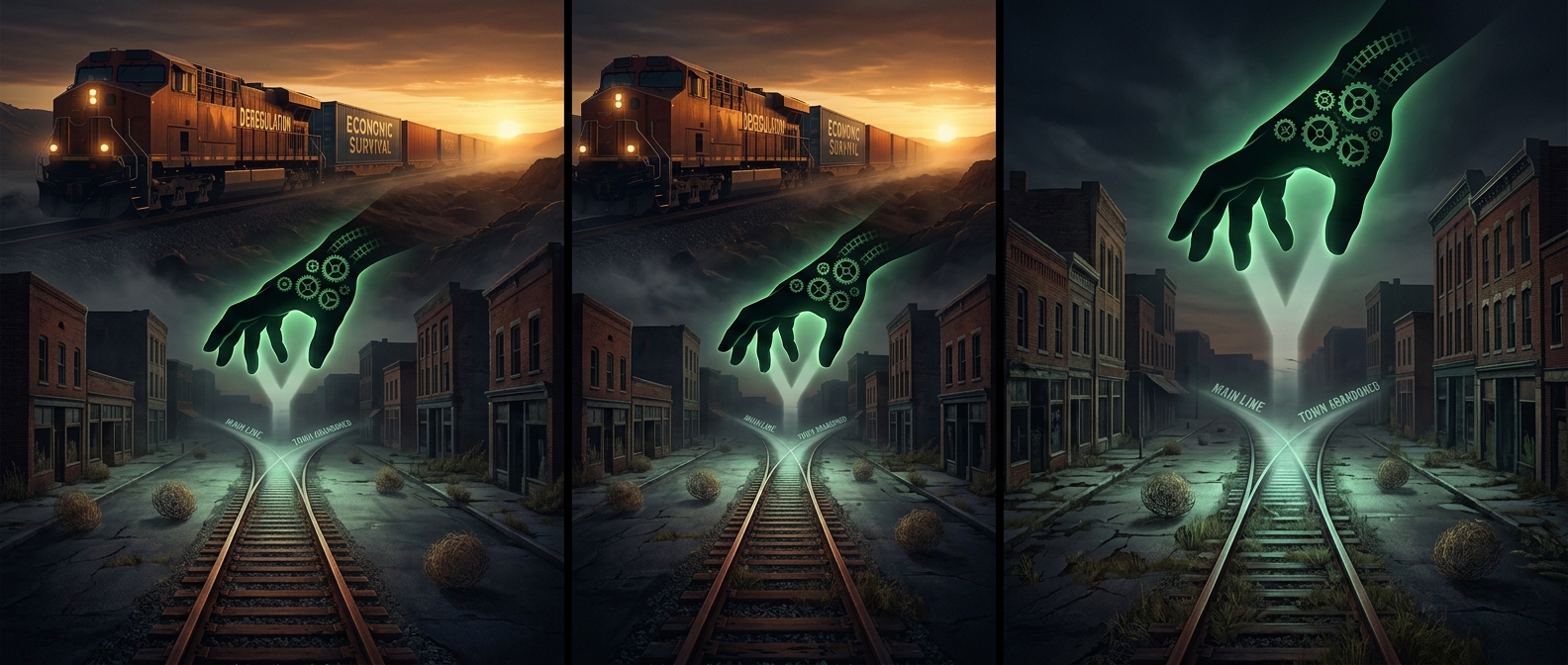
The result could become self-reinforcing: fewer customers meant less revenue for maintenance, and deteriorating service made the line less attractive. Keeping the route open might require public support or investment; without it, operators could suspend service or seek permission to abandon the line.
The cost of a route, not just a train
Once rails are removed, restarting service is not as simple as putting a locomotive back on the track. The infrastructure may need substantial repair, and bridges, signals, and crossings may no longer be ready for use. A line that once connected scattered communities can therefore disappear because its continuing costs no longer matched the traffic it carried—not because the track itself had stopped being useful to anyone.