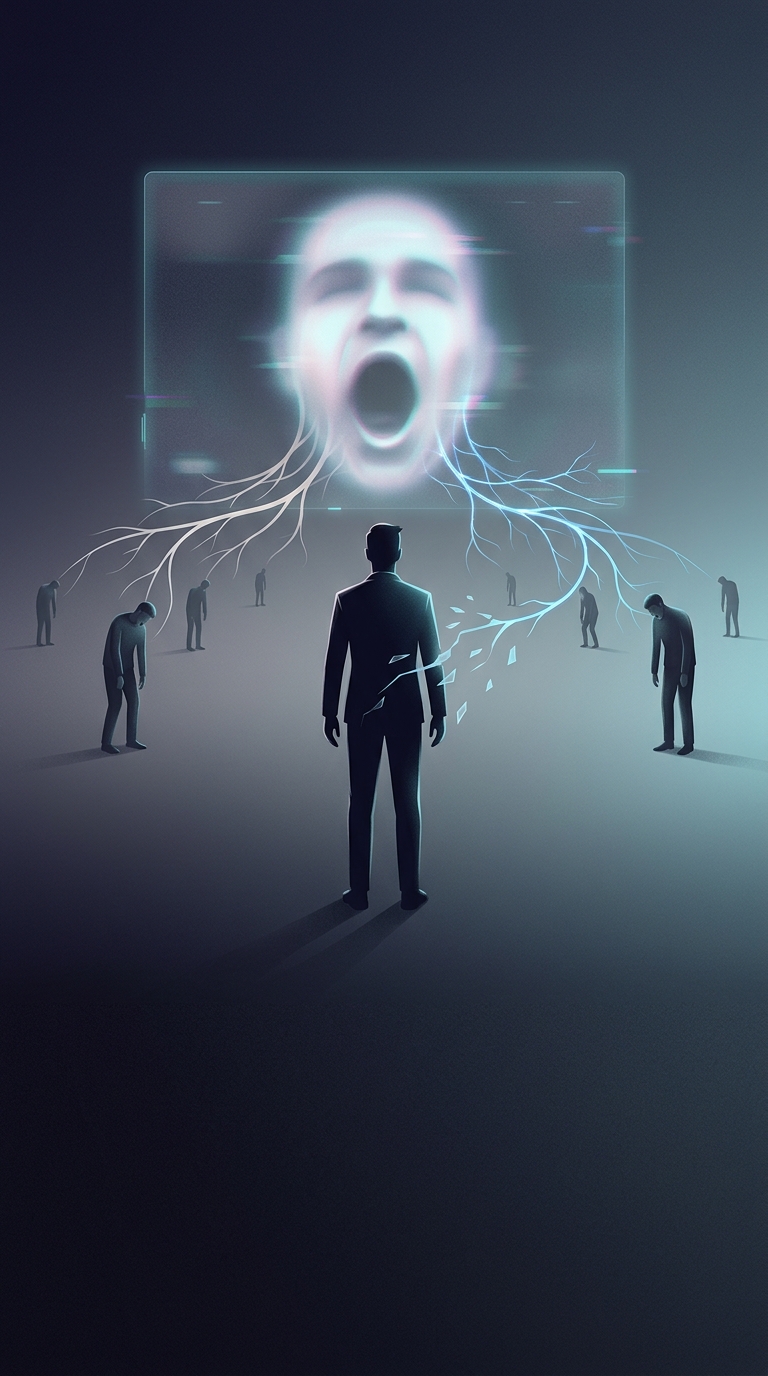
Why an empty hour can feel uncomfortable
Free time removes the next clear demand, but it does not necessarily quiet the mind. Without a task to focus on, people may notice unfinished worries, uncertain choices, or feelings they had been pushing aside. Filling the hour can offer immediate relief: attention shifts to something manageable, and progress provides a small sense of control.
That relief can reinforce the habit. If taking on another task briefly eases unease, the brain learns that activity is a reliable way to escape it—even when the extra work later leaves a person drained.
Busyness can feel rewarding
A packed schedule also supplies frequent signals of progress: messages answered, errands crossed off, plans made. Those small completions can feel satisfying, while effort may be mistaken for importance. In workplaces and social groups, visible busyness can also signal commitment, making it harder to treat an unscheduled afternoon as legitimate time off.
These rewards do not mean people consciously choose stress. Often, they are responding to short-term incentives—relief, accomplishment, recognition—that arrive sooner than the costs of fatigue or lost leisure.
The difference between chosen effort and overload
A demanding activity can be energizing when it feels meaningful and chosen. The same demand may become stressful when it feels imposed, unpredictable, or impossible to finish. The issue is not simply how full a calendar looks, but whether a person has control over the demands and enough time to recover.
That is why adding free hours alone may not make someone feel rested. If an open stretch feels like a problem to solve, it can quickly be filled. The revealing question is not just whether there is time available, but what feeling the next task helps a person avoid—or what reward it promises.