How a Sudden Shock Can Weaken the Heart
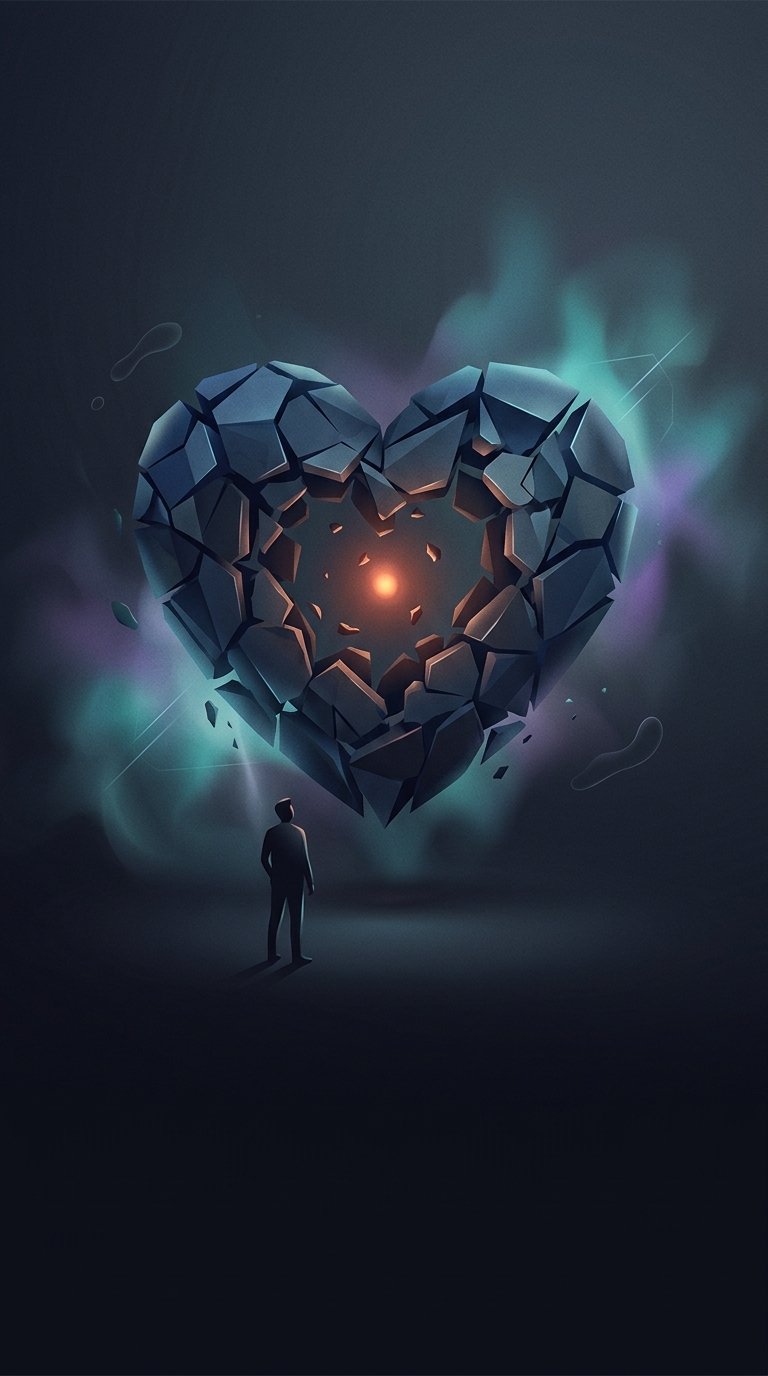
A devastating loss or other intense shock can, in rare cases, trigger broken-heart syndrome, medically called takotsubo cardiomyopathy. The heart does not stop because of sadness itself. Instead, an extreme stress response can temporarily disrupt the heart muscle’s ability to pump.
During acute stress, the body releases hormones such as adrenaline. In some people, this surge appears to stun part of the heart muscle. The heart’s main pumping chamber may weaken and change shape, making it harder to push blood to the rest of the body. The condition is named for takotsubo, a Japanese pot traditionally used to trap octopuses: the weakened chamber can take on a similar shape.
Why It Can Become Life-Threatening
The symptoms can resemble a heart attack, including chest pain and shortness of breath, so urgent medical evaluation is essential. Unlike a typical heart attack, takotsubo syndrome usually does not involve a blocked coronary artery. But “not a blocked artery” does not mean harmless: severe weakness in the heart’s pumping can lead to dangerously low blood pressure, fluid buildup in the lungs, or abnormal heart rhythms. Those complications can be fatal.
Most people recover as the heart muscle regains its strength, often over days to weeks, with medical care and monitoring. The emotional event is a trigger, not a reliable predictor: many people endure profound grief without developing the syndrome, and it can also follow physical stress such as serious illness or surgery.
The striking consequence is that emotional shock can produce a measurable physical crisis—but the danger comes from the heart’s disrupted function, not from grief being literally lethal in every case.