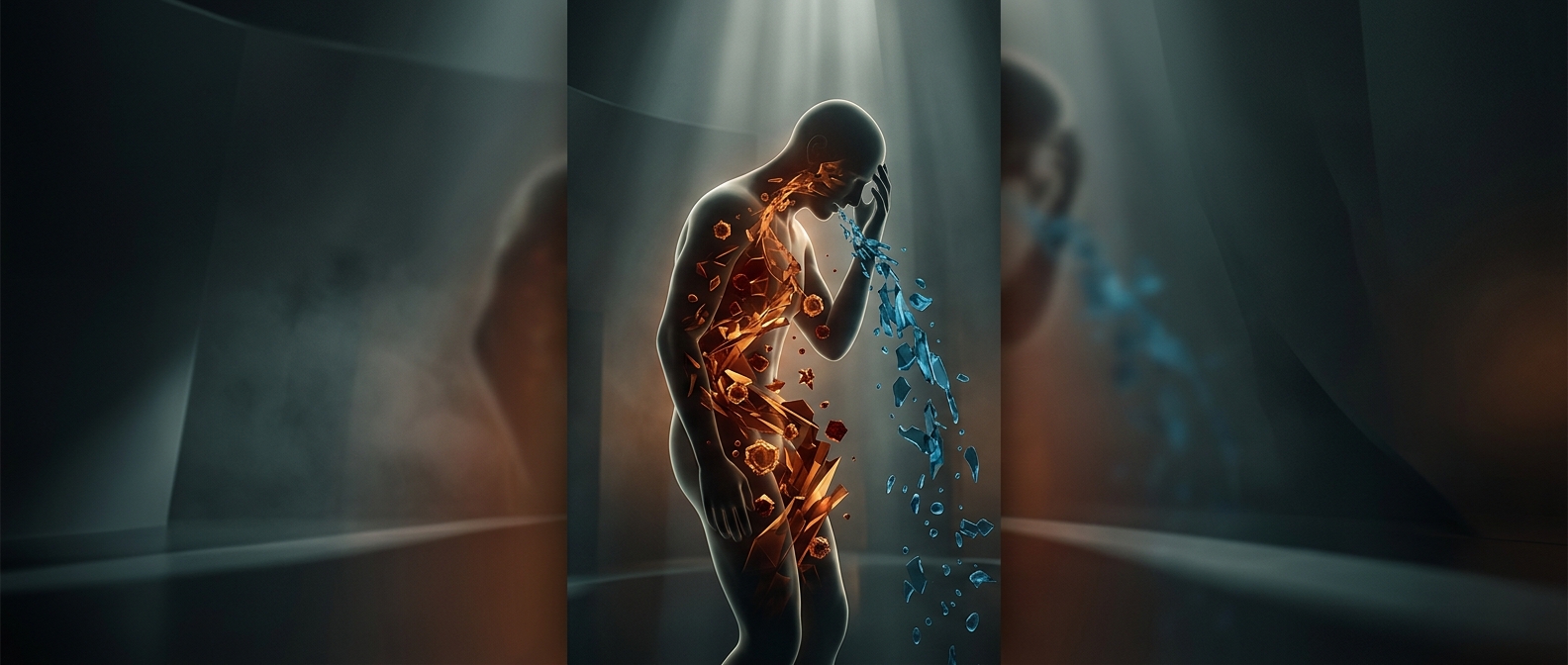
When the immune response reaches the nerves
Guillain-Barré syndrome (GBS) is a rare disorder in which the immune system mistakenly attacks peripheral nerves—the network that carries signals between the brain, spinal cord, and the rest of the body. As those signals are disrupted, weakness can spread, often beginning in the legs. Severe cases can affect the muscles needed for breathing, though many people recover, sometimes over months.
The syndrome can follow infections, which can also prompt immune defenses. In some people, those defenses appear to confuse parts of the body’s nerves with a threat. The precise biological trigger is not fully understood, and GBS itself is not contagious.
What officials noticed in 1976
The US vaccination campaign began after an influenza outbreak at Fort Dix, New Jersey, raised fears that a new strain could spread widely. After vaccinations began, health officials observed more GBS cases than expected among vaccinated people. That pattern made the vaccine a serious safety concern, even though it did not mean every case after vaccination had been caused by it.
The evidence pointed to a real, unusual increase in risk associated with that campaign’s vaccine. The feared influenza pandemic, by contrast, did not occur. That mismatch made the episode a lasting example of how a response to a possible public-health threat can create a different kind of harm—one that only becomes visible as people are monitored afterward.
Why the distinction matters
A risk can be small for any one person yet important across a mass campaign. Detecting it requires comparing health outcomes among vaccinated people with what would normally be expected, then weighing the potential harm against the disease the vaccine is meant to prevent. In 1976, reports of GBS changed that balance: the campaign was halted, and vaccine safety monitoring became central to evaluating the consequences of large-scale vaccination.