Tetanus spores can outlast a rolling boil
A tetanus bacterium can switch into a spore: a dormant, tightly protected form that lets it wait out harsh conditions. Unlike an actively growing bacterium, a spore has a tough outer structure and very little ongoing activity, making it harder for heat to destroy.
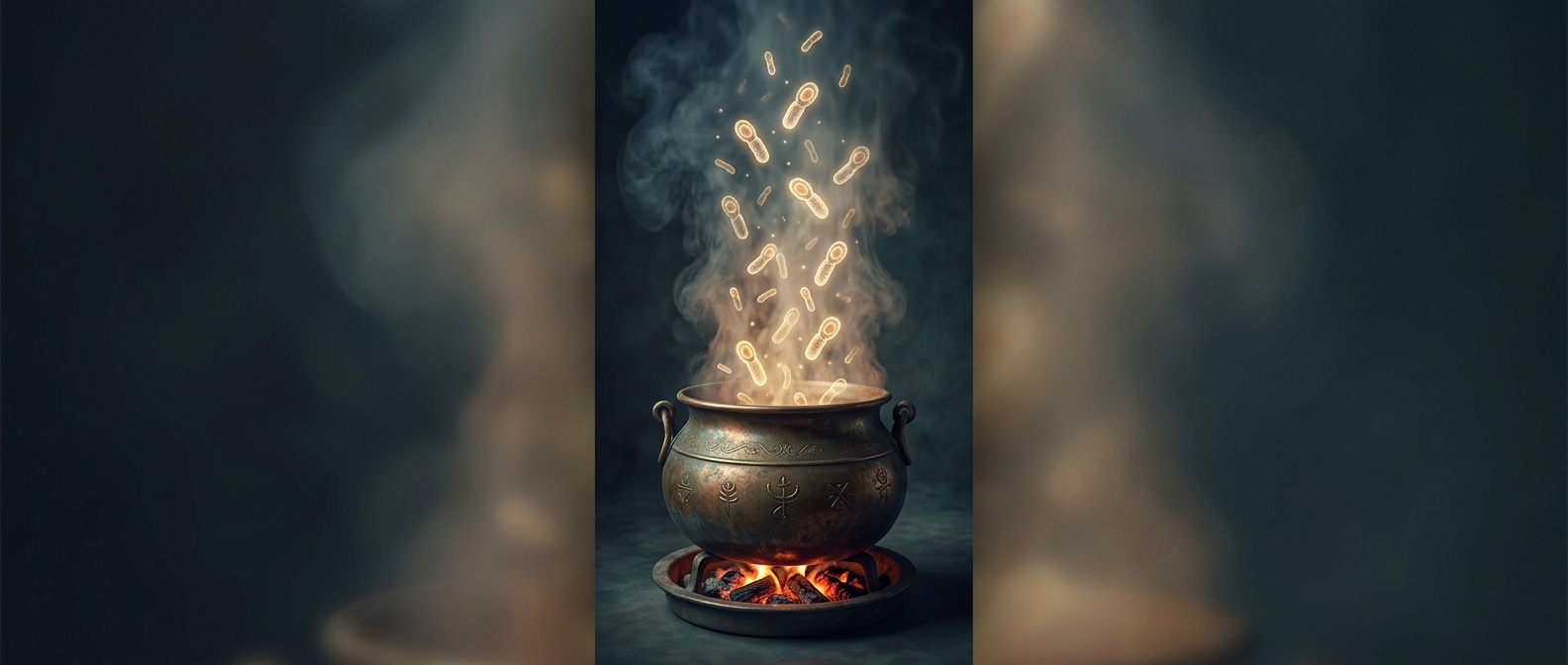
Boiling water reaches about 100°C (212°F) at sea level. That is enough to kill many disease-causing microbes, but it does not reliably destroy tetanus spores. The water may look vigorously hot and the material may seem clean, while some spores remain alive. Boiling is therefore not the same as sterilization—the destruction of all microbes, including resistant spores.
Why the distinction matters for wounds
Tetanus usually begins when spores enter the body through a break in the skin, often in contaminated material. In a low-oxygen wound environment, the spores can become active bacteria. Those bacteria can produce a toxin that disrupts nerve signals and causes the severe muscle stiffness and spasms associated with tetanus.
This is why merely boiling an object or material does not make it safe to put into a wound. Medical sterilization uses controlled processes—commonly pressurized steam at temperatures above boiling—to reach conditions that can destroy resistant spores. The pressure allows the steam to become hotter than ordinary boiling water.
For a wound that may be contaminated, cleaning it and getting appropriate medical advice matter more than trying to sterilize anything with a household pot. Tetanus vaccination helps protect against the toxin, but a boiling-water treatment cannot be counted on to remove the spores that may cause the infection.